
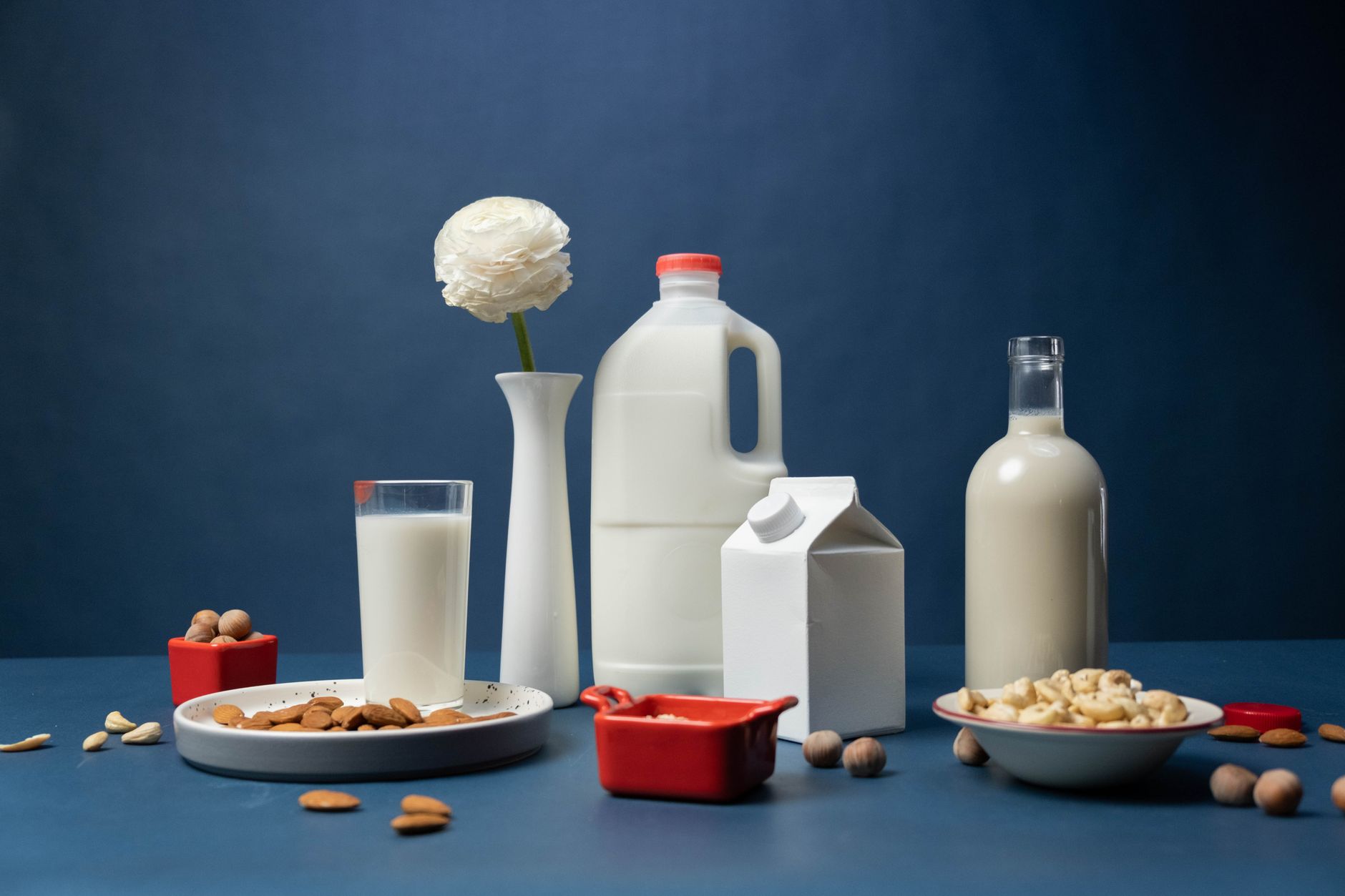
Dairy free milk has become an increasingly popular alternative for those who are lactose intolerant, vegan, or simply seeking healthier options. This versatile beverage is made from various plant-based ingredients and can easily replace traditional cow’s milk in most recipes and drinks. But what exactly is dairy free milk, and how can you best incorporate it into your cooking and baking?
In this article, we will explore the different types of dairy free milk, their ingredients, and essential tips for reading ingredient labels. Understanding these aspects will help you make informed choices while shopping and using dairy free milk in your kitchen.
What Is Dairy Free Milk?
Dairy free milk refers to a range of non-dairy beverages that serve as plant-based alternatives to cow’s milk. These milks can be made from a variety of sources, including nuts, seeds, grains, and legumes. They are free of lactose and cholesterol, making them suitable for individuals with lactose intolerance or those adhering to a vegan diet.
Common examples of dairy free milk include almond milk, soy milk, coconut milk, oat milk, and rice milk. Each of these options has its unique flavor, texture, and nutritional profile, allowing you to choose the one that best suits your requirements and preferences.
The Different Types of Dairy Free Milk
Understanding the various types of dairy free milk and their ingredients can help you choose the right option for your cooking and baking needs.
1. Almond Milk
Almond milk is made by blending almonds with water and then straining out the solids. Its slightly sweet and nutty flavor makes it a popular choice for smoothies, coffee, and baking. It typically contains fewer calories than cow’s milk, but it is lower in protein. Look for unsweetened versions to reduce added sugars.
2. Soy Milk
Soy milk is crafted from whole soybeans or soy protein isolate mixed with water. It has a creamy texture and is one of the highest in protein among plant milks, making it an excellent dairy substitute in various recipes. Soy milk is also rich in vitamins and minerals, particularly calcium and vitamin D, if fortified.
3. Coconut Milk
Coconut milk comes from the flesh of coconuts blended with water. It has a rich, creamy texture with a distinct coconut flavor, making it perfect for tropical smoothies, curries, and desserts. Keep in mind that coconut milk can be higher in fat than other dairy free options, so it’s best to use it in moderation.
4. Oat Milk
Oat milk is made from whole oats blended with water and then strained. It has a mild flavor and creamy consistency, making it popular for cereal, coffee, and baking. Oat milk is often considered one of the most environmentally friendly options, requiring less water compared to nut-based milks.
5. Rice Milk
Rice milk is made from milled rice and water, resulting in a naturally sweet flavor. It is one of the least allergenic dairy free options, making it suitable for those with nut or soy allergies. However, rice milk is generally lower in protein and may be higher in carbohydrates.
Ingredients in Dairy Free Milk
When shopping for dairy free milk, it’s essential to check the ingredient list to ensure you’re making a healthy choice. Here are some common ingredients you may encounter:
- Base ingredient: The primary component of dairy free milk, such as almonds, soybeans, or oats.
- Water: Usually the largest volume ingredient, mixed with the base to create the milk consistency.
- Sweeteners: Some varieties may include added sugars or sweeteners, such as cane sugar or agave syrup. Look for unsweetened versions for a healthier option.
- Thickeners and emulsifiers: Ingredients like guar gum or lecithin may be added to improve texture and stability.
- Fortification: Many dairy free milks are fortified with vitamins and minerals, particularly calcium and vitamin D, to mimic cow’s milk nutritional content.
Label-Reading Tips for Dairy Free Milk
Reading labels can be daunting, but knowing what to look for can make it simpler to choose the right dairy free milk. Consider these tips when shopping:
1. Ingredient Order
Ingredients are listed in order by weight, from heaviest to lightest. Look for milk options where the base ingredient (such as almonds or oats) is at the top of the list, indicating a higher quantity in the product.
2. Added Sugars
Check for added sugars, which can significantly increase the calorie content. Opt for unsweetened versions or those with minimal added sugars. Words like “syrup,” “nectar,” or “juice” often indicate added sugars.
3. Fortification
If you’re replacing cow’s milk, consider fortified options that provide calcium and vitamin D. These nutrients are crucial for maintaining bone health.
4. Allergens
Be mindful of any food allergies. Some dairy free milks, such as soy milk, may not be suitable for those with soy allergies. Always read the label to ensure safety.
5. Popular Brands
Familiarize yourself with popular dairy free milk brands and their specific products. Some brands may offer better quality ingredients or more appealing flavors than others, so don’t hesitate to experiment.
How to Use Dairy Free Milk in Cooking and Baking
Dairy free milk can easily substitute traditional milk in most recipes. Here are some tips on how to use it effectively:
1. Baking
When baking, dairy free milk often works well as a direct substitute for cow’s milk. However, consider the flavor profile of the milk you choose. For instance, almond milk may impart a nuttier taste, while coconut milk can add a tropical essence. Use the same measurement as specified in your recipe.
2. Cooking
In savory dishes, dairy free milk can replace milk or cream in sauces, soups, and casseroles. Coconut milk is a superb choice for creamy curries, while oat milk works well in creamy pasta dishes.
3. Beverages
Dairy free milk can be used in smoothies, coffee, cereal, or simply enjoyed on its own. Experiment with different varieties to find your favorite, and consider using a frother for the perfect cup of dairy free lattes.
4. Desserts
In desserts, dairy free milk can replace cow’s milk in puddings, ice creams, and frosting. Coconut milk, with its rich texture, is particularly popular in dairy free desserts.
Common Mistakes to Avoid
When incorporating dairy free milk into your diet, watch out for these common pitfalls:
- Not reading labels: Failing to check for added sugars or allergens can lead to undesirable choices.
- Choosing the wrong type: Using a dairy free milk with a strong flavor in a neutral dish can affect the overall taste.
- Underestimating replacement ratios: While dairy free milk often substitutes one-to-one, there may be exceptions. Consider the specific recipe and adjust accordingly for optimal results.
Storing Dairy Free Milk
Proper storage of dairy free milk is crucial to maintain its freshness and flavor:
1. Unopened Shelf-Stable Milk
Most shelf-stable dairy free milks can be stored at room temperature until opened. Keep them in a cool, dark place, away from heat sources.
2. Opened Milk
Once opened, dairy free milk should be refrigerated and consumed within seven to ten days, similar to cow’s milk. Always check the use-by date printed on the packaging.
3. Freezing
While you can freeze dairy free milk, it may change the texture upon thawing. If you choose to freeze it, consider using it in smoothies or cooking rather than as a beverage.
Summary
Dairy free milk offers numerous tasty alternatives to traditional cow’s milk, catering to various dietary needs and preferences. With options ranging from nut-based to grain-based, there’s something for everyone. Be proactive in reading ingredient labels and storing your dairy free milk correctly to ensure a delicious experience in your kitchen.
As you explore dairy free milk options, consider trying out new recipes or experimenting with meal planning using dairy free alternatives. If you’re interested in breakfast ideas, check out our dairy free pancake recipe. For a refreshing dessert, take a look at our chia pudding recipe with coconut milk to keep your menu exciting and versatile.