
Tuna and rice is a popular meal combination enjoyed by many for its convenience, affordability, and versatility. But how healthy is this pairing? This article will explore the nutritional aspects of tuna and rice, considering various factors such as their nutritional content, preparation methods, and potential health benefits as well as drawbacks.
Through this guide, we will delve into the health properties of tuna and rice, offering insights into how to prepare this dish, variations to try, and factors to consider when incorporating it into your diet. Let’s take a closer look at whether tuna and rice can truly be considered a healthy meal option.
Is Tuna and Rice Healthy?
Yes, tuna and rice can be a healthy meal choice. Tuna is a rich source of protein and contains essential omega-3 fatty acids, while rice provides carbohydrates for energy. However, the healthfulness of this combination often depends on the preparation method, portion size, and the types of rice used.
Nutritional Value of Tuna
Tuna is a highly nutritious fish that is low in calories and high in protein, making it a staple for those seeking to maintain a healthy diet. Here are some key nutritional facts about canned tuna, which is the most commonly consumed form:
- Protein: A 3-ounce serving of canned tuna typically contains around 20-25 grams of protein, which helps in building and repairing tissues.
- Omega-3 Fatty Acids: Tuna is rich in omega-3 fatty acids that promote heart health and support brain function.
- Vitamins and Minerals: Tuna is a good source of essential vitamins such as vitamin B12 and minerals like selenium and potassium.
- Caloric Content: A 3-ounce serving contains approximately 100-150 calories, depending on the variety and any added ingredients.
Nutritional Value of Rice
Rice is a staple food in many cultures and serves as an excellent source of energy due to its carbohydrate content. The nutritional profile of rice can vary depending on the type:
- White Rice: A 1-cup serving contains around 205 calories, with less fiber and fewer nutrients compared to brown rice.
- Brown Rice: A 1-cup serving of cooked brown rice contains around 215 calories and is higher in fiber, which aids in digestion and promotes satiety.
- Essential Nutrients: Rice is often fortified with vitamins and minerals, contributing to its nutritional value. Brown rice, for instance, contains magnesium, phosphorus, and B vitamins.
Combining Tuna and Rice
The combination of tuna and rice creates a balanced meal that offers a good mix of macronutrients. Here’s what to consider when preparing this dish:
1. Protein and Carbohydrates
The protein from tuna complements the carbohydrates from rice, providing your body with energy and promoting muscle health. This balance can be particularly beneficial for those who engage in physical activity.
2. Healthy Fats
Adding healthy fats to your tuna and rice dish—such as olive oil or avocado—can enhance the nutritional profile by incorporating more monounsaturated fats, which are heart-healthy.
Preparation Methods
How you prepare tuna and rice can significantly impact its healthfulness. Here are some popular cooking methods and their considerations:
1. Steaming or Boiling Rice
Cooking rice by steaming or boiling without excessive added fats keeps the meal light and healthy. For better nutrient retention, consider using brown rice or whole grain varieties.
2. Canned Tuna
When using canned tuna, opt for varieties packed in water rather than oil to reduce excess calories and fat. Drain the tuna thoroughly before mixing it with rice to improve texture and flavor.
3. Adding Vegetables
Incorporating vegetables into your tuna and rice dish can boost its nutritional value. Vegetables like bell peppers, peas, corn, or spinach can add fiber, vitamins, and minerals while enhancing the flavor and texture.
Health Benefits of Tuna and Rice
Including tuna and rice as part of a balanced diet can offer several health benefits:
- Weight Management: The combination is low in calories while being filling, which may support weight loss efforts.
- Heart Health: Omega-3 fatty acids from tuna may reduce the risk of heart disease when consumed as part of a healthy diet.
- Muscle Maintenance: The high protein content helps in maintaining muscle mass, particularly important for active individuals.
- Convenience: Tuna and rice are quick to prepare and can be made in bulk, making them a great meal prep option for busy lifestyles.
Considerations for Tuna Consumption
While tuna can be a healthy option, there are some important considerations to take into account:
1. Mercury Levels
Certain types of tuna, especially larger species like albacore and bigeye, can have higher mercury levels. It is recommended to limit consumption to avoid potential health risks, particularly for pregnant or nursing women and young children.
2. Sodium Content
Pre-packaged canned tuna can contain high sodium levels, which may not be suitable for individuals who are watching their salt intake. Seek low-sodium options whenever available and rinse canned tuna to reduce sodium content.
3. Variety in Diet
To maintain a balanced diet, it’s important to vary protein sources. Consider alternating tuna with other fish, chicken, legumes, or tofu to ensure a range of nutrients and flavors.
Delicious Variations of Tuna and Rice
Tuna and rice can be customized in numerous ways to enhance flavor while maintaining a healthy profile:
Tuna Rice Bowl
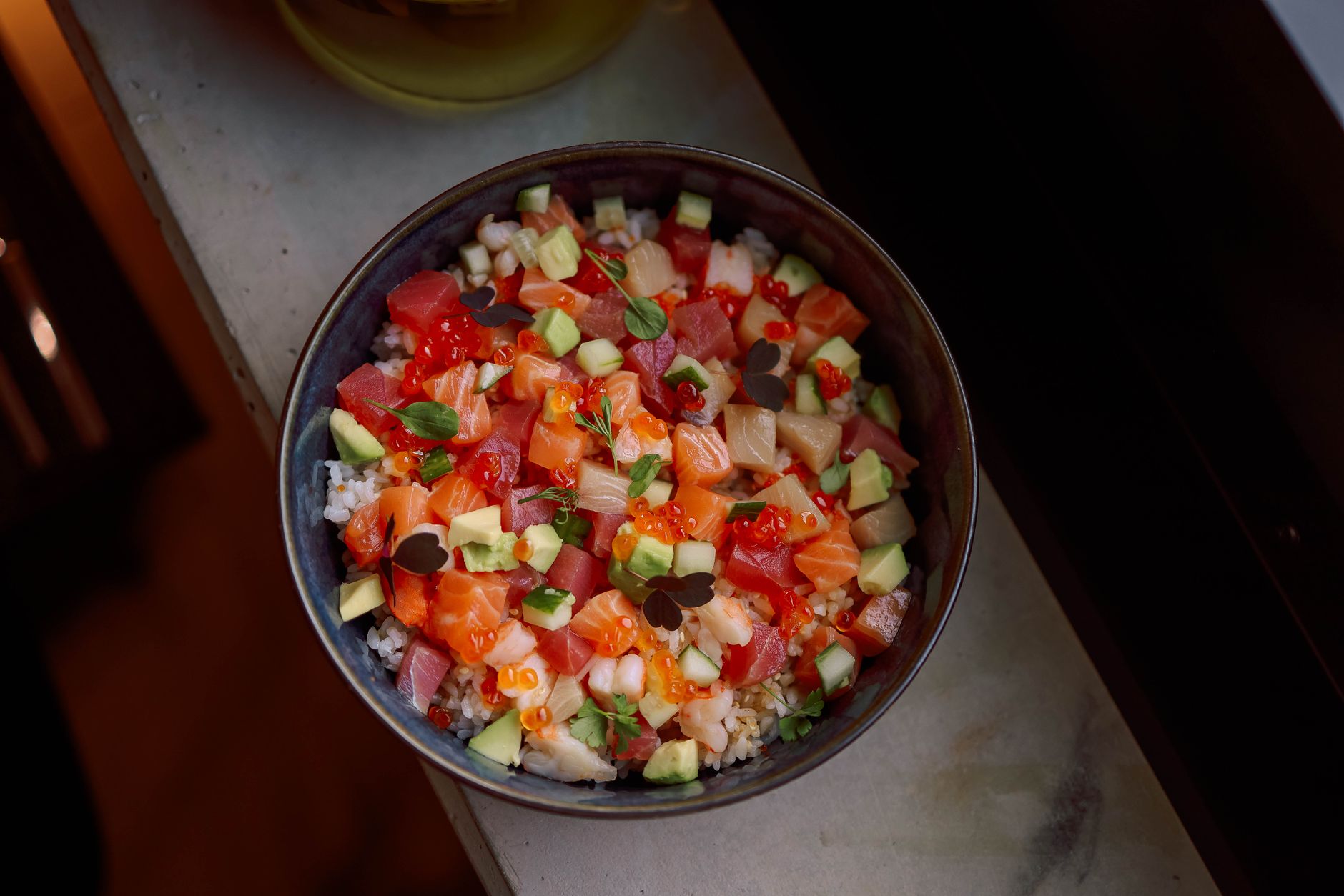
A popular option is to make a sushi-inspired tuna rice bowl. Start with a base of brown rice, top with diced raw tuna, avocado slices, cucumber, carrots, and a drizzle of low-sodium soy sauce.
Spicy Tuna Rice Wraps
For a flavorful twist, mix canned tuna with sriracha, mayo, and diced green onions. Spread this mixture onto a rice paper wrap along with crisp vegetables, roll, and slice for fresh, hand-held snacks.
Tuna Fried Rice
Transform leftovers into a dish of tuna fried rice by stir-frying cooked rice with vegetables, scrambled eggs, and flaked tuna. Add low-sodium soy sauce or teriyaki sauce for extra flavor.
Meal Planning with Tuna and Rice
Tuna and rice can be an excellent choice for meal prepping. Here are tips for effective meal planning:
- Batch Cooking: Prepare larger batches of rice and store them in individual portions. Cook tuna on-demand to keep flavors fresh, or mix with other ingredients to create salads.
- Ingredient Overlap: When planning meals, consider using ingredients across multiple dishes, such as vegetables, spices, and sauces, to minimize waste and save time.
- Stay Organized: Keep an updated meal plan and grocery list, ensuring you have all ingredients available when preparing meals.
Common Mistakes to Avoid
Here are some common mistakes when preparing tuna and rice and how to troubleshoot them:
1. Overcooking Rice
Overcooked rice can become mushy. To avoid this, follow the cooking instructions carefully and check the rice a few minutes before the suggested cooking time.
2. Not Draining Tuna Properly
Not draining canned tuna adequately can lead to soggy dishes. Ensure you fully drain and pat dry the tuna before mixing it with rice or other ingredients.
3. Lack of Seasoning
A dish lacking in flavor can be unappealing. Use herbs, spices, and sauces to enhance the taste of your tuna and rice dish and keep it exciting.
Storage and Reheating Guidelines
Proper storage of tuna and rice is essential to ensure food safety. Here are some guidelines:
- Refrigeration: Store any cooked rice and tuna dish in airtight containers in the refrigerator, where it can last for up to three days.
- Freezing: Cooked rice can be frozen for longer storage, while canned tuna can be kept in the pantry until the expiration date.
- Reheating: When reheating, ensure the dish reaches an internal temperature of at least 165°F (74°C) to ensure food safety.
Conclusion
Tuna and rice can be a nutritious meal option when prepared thoughtfully. Balancing this dish with whole grains, fresh vegetables, and healthy fats can enhance its nutritional profile. While it offers numerous health benefits, be mindful of potential concerns like mercury levels and sodium intake. With creativity and care, tuna and rice can be transformed into a varied and enjoyable meal.
To further explore healthy recipes and ideas, check out our delicious healthy tuna salad recipe or try making tuna burgers for a flavorful twist. Enjoy your culinary adventures!