
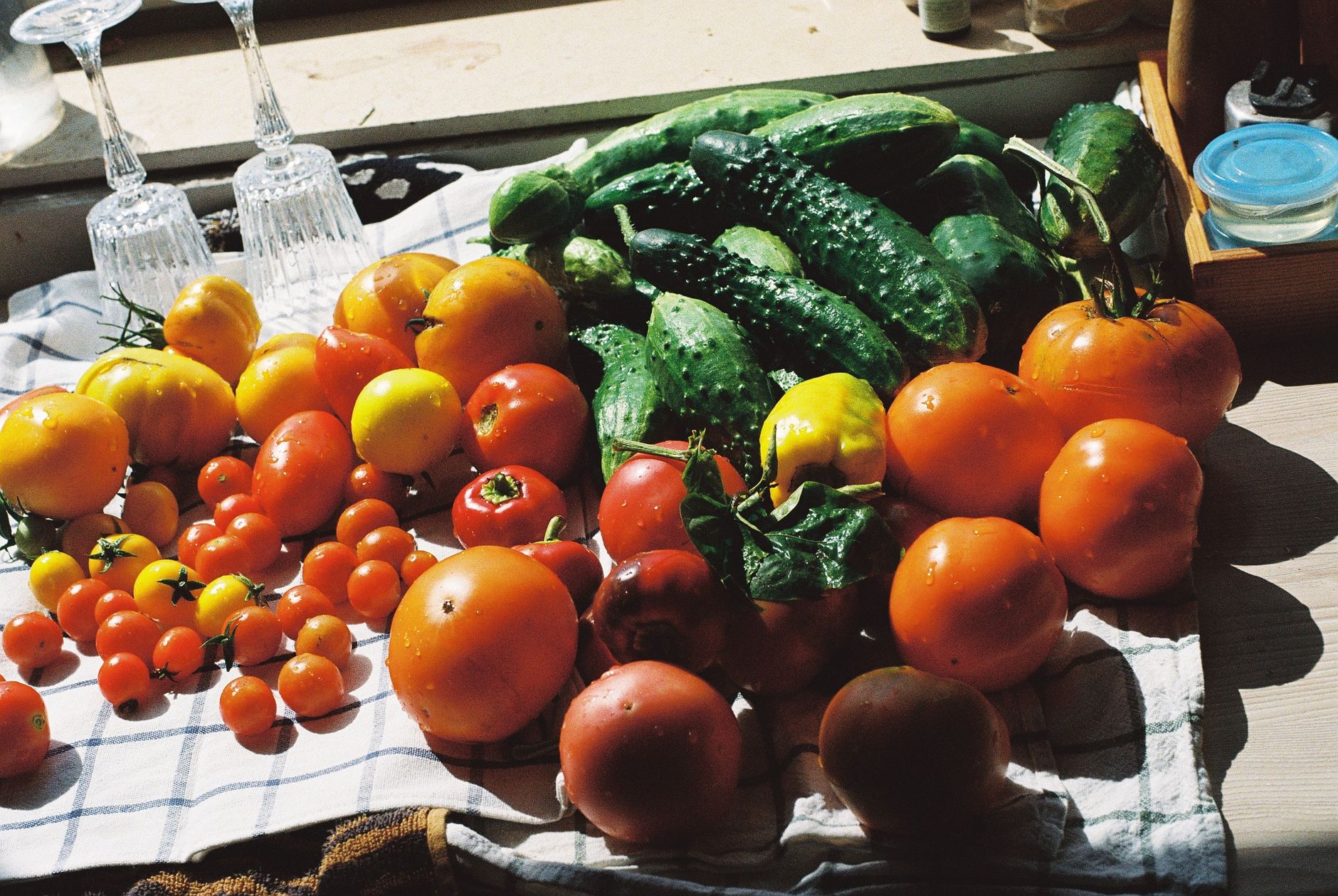
Cucumbers are a staple in many kitchens worldwide, known for their refreshing crunch and versatility. However, encountering a yellow cucumber can leave some home cooks puzzled. This article aims to explore the reasons behind the yellowing of cucumbers, how it affects their flavor and uses, and tips for selecting and storing them properly.
Understanding the factors that contribute to yellow cucumbers can help you make informed decisions on how to use them in your recipes, as well as how to avoid this issue in the future.
Why Is My Cucumber Yellow?
A cucumber turns yellow primarily due to two factors: maturity and environmental stressors. As cucumbers ripen, they naturally transition in color from green to yellow. This yellowing can also indicate that the cucumber has reached the end of its prime or has been exposed to unfavorable growing conditions.
The Ripening Process
The ripening process is a natural phenomenon in cucumbers. Initially, cucumbers are harvested when they are still green and firm. As they mature, they transition to a yellow hue. At this point, the cucumbers often become overripe, resulting in a more pronounced sweetness but a less crunchy texture.
Recognizing Overripe Cucumbers
An overripe cucumber will often be yellow and soft to the touch. While it can still be edible, its flavor profile will have changed, and it may not provide the refreshing taste and crisp texture typically associated with cucumbers.
Environmental Factors Contributing to Yellowing
Besides maturity, environmental conditions can significantly impact cucumbers’ color. Common factors include temperature fluctuations, inadequate watering, and nutrient deficiencies.
Temperature Fluctuations
Cucumbers thrive in consistent temperatures, ideally ranging from 70°F to 85°F (21°C to 29°C). Sudden temperature drops or excessive heat can shock the plants, leading to yellowing leaves and fruit. If cucumbers are not harvested promptly in high temperatures, they may turn yellow prematurely.
Inadequate Watering
Insufficient watering can stress the plants, causing them to divert energy from fruit development to survival. This stress can lead to yellowing cucumbers and even cause them to become bitter in taste. On the other hand, overwatering can also result in yellowing, as it may lead to root rot.
Nutrient Deficiencies
Cucumbers require a balanced mix of nutrients for optimal growth. A lack of nitrogen, phosphorus, or potassium can result in poor fruit development, manifesting as yellow color. Ensuring your cucumber plants receive adequate fertilization can help mitigate this issue.
Flavor and Texture Changes in Yellow Cucumbers
The flavor and texture of a yellow cucumber can differ significantly from its green counterpart. Typically, yellow cucumbers may taste sweeter and softer but can also develop a unpleasant bitterness depending on the stress conditions the plant faced.
Using Yellow Cucumbers in the Kitchen
While it may not be ideal to use yellow cucumbers in salads for their appearance, they can still be used in various dishes. Here are some practical applications for yellow cucumbers:
- Smoothies: Blend them into smoothies for added nutrition without compromising flavor.
- Picking: Try pickling yellow cucumbers; the process can enhance their flavors and extend their shelf life.
- Soups: Cook them into soups where the flavor and texture can be softened and mellowed by the cooking process.
How to Select Healthy Cucumbers
When shopping for cucumbers, knowing how to choose the right ones can prevent yellowing and ensure freshness. Here are key tips for selecting cucumbers:
Look for Firmness
Choose cucumbers that feel firm to the touch. Soft spots may indicate overripeness or spoilage. Fresh cucumbers should be smooth and unblemished, with a vibrant green color.
Check for Color
A healthy cucumber should maintain a deep green color without yellowing. If you spot any yellow patches, it’s best to either avoid the cucumber or consider how you’ll be using it if you do purchase it.
Smell the Cucumber
A fresh cucumber will have a mild, earthy aroma. If the scent is overpowering or sour, the cucumber may be past its prime.
Proper Storage of Cucumbers
Storing cucumbers correctly is essential in preventing yellowing and extending their shelf life. Here are some simple guidelines for storage:
Refrigeration
To maintain freshness, cucumbers should be stored in the crisper drawer of your refrigerator. This area typically maintains a consistent temperature and humidity level that helps keep cucumbers crisp.
Avoid Plastic Bags
It is best to store cucumbers in a perforated plastic bag or wrapped in a kitchen towel instead of a sealed plastic bag, which can trap moisture and lead to spoilage.
Common Mistakes When Handling Cucumbers
Several common mistakes can lead to yellowing or spoilage of cucumbers. Here are a few to keep in mind:
- Leaving Cucumbers at Room Temperature: Cucumbers are sensitive to temperature changes and should always be kept cool.
- Not Washing Properly: Before storing, cucumbers should be rinsed gently to remove any dirt or pesticide residue; however, they should not be washed until right before use to avoid excess moisture.
- Ignoring Signs of Spoilage: Always check cucumbers for softness, unpleasant odor, or dark spots before consuming.
Recipe Ideas for Using Cucumbers
Utilizing cucumbers in various recipes is a delightful way to include this vegetable in your meals. Here are some refreshing and easy recipes featuring cucumbers:
Viral Cucumber Salad Recipe
This light and crunchy salad feature fresh cucumbers, perfect for a summer meal. You’ll need:
- 4 medium cucumbers, diced
- 1 red onion, thinly sliced
- 1 cup cherry tomatoes, halved
- 1/4 cup olive oil
- 2 tablespoons balsamic vinegar
- Salt and pepper to taste
- In a large bowl, combine the cucumbers, onion, and cherry tomatoes.
- In a separate bowl, whisk together olive oil, balsamic vinegar, salt, and pepper.
- Pour the dressing over the salad and toss gently.
- Let chill in the refrigerator for at least 30 minutes before serving.
Thai Cucumber Salad Recipe
For an Asian-inspired dish, try this Thai Cucumber Salad, which is both refreshing and vibrant. Ingredients include:
- 3 medium cucumbers, sliced
- 1 red bell pepper, julienned
- 1 carrot, shredded
- 1/4 cup fresh cilantro, chopped
- 1/4 cup rice vinegar
- 1 tablespoon sugar
- Salt and chili flakes to taste
- In a bowl, combine cucumbers, red bell pepper, carrot, and cilantro.
- In a small bowl, whisk together rice vinegar, sugar, salt, and chili flakes.
- Pour the dressing over the salad and toss well to coat.
- Serve chilled for a refreshing side dish.
Conclusion
Understanding why cucumbers turn yellow and how to remedy the situation can enhance your culinary experience. With proper care, both in selecting and storing these vegetables, you can enjoy their vibrant crunch and refreshing flavor. Explore your options with yellow cucumbers, and make the most of what your garden or local market offers.
For more delicious cucumber recipes, check out the viral cucumber salad recipe at Mama’s Secret Recipes or try the mouthwatering Thai cucumber salad recipe at Mama’s Secret Recipes. Happy cooking!