
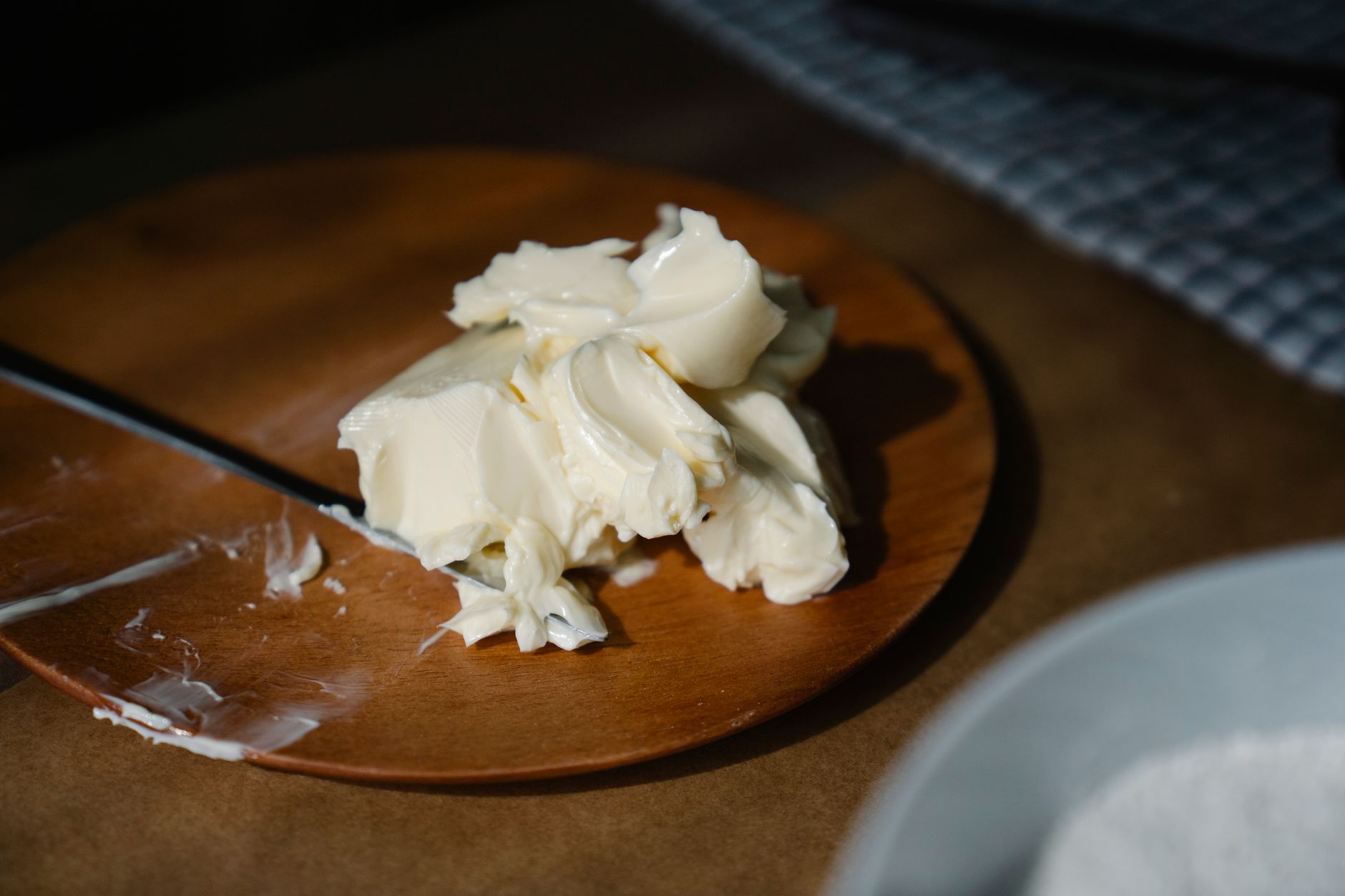
Margarine has long been a popular alternative to butter, often used in cooking, baking, and as a spread. But for those avoiding dairy, one pressing question arises: is margarine dairy? This article delves into the ingredients of margarine, examines product labels, and discusses potential cross-contact issues to help you make informed choices.
Understanding whether margarine is dairy involves more than just a cursory glance at the ingredients. With varying formulations and manufacturing processes, some margarine may contain dairy components while others do not. Let’s break it all down.
Is Margarine Dairy?
The answer depends on the type of margarine. Traditional margarine often contained milk derivatives, particularly in older recipes. However, most modern margarines are plant-based oils and do not contain dairy. Always check the label, as formulations can vary by brand.
What Is Margarine Made Of?
Margarine is primarily made from vegetable oils and fats, which can include oils such as canola, palm, soybean, and sunflower. These oils provide the base and contribute to the spread’s texture and flavor. Other common ingredients include:
- Water
- Emulsifiers (to blend oil and water)
- Salt
- Preservatives (to extend shelf life)
- Flavorings (natural or artificial)
- Colorants (to achieve a butter-like color)
In some cases, margarine may also include dairy ingredients such as buttermilk or lactose, particularly in varieties aimed at mimicking butter closely. Always scrutinize the ingredient list.
Understanding Labels: Identifying Dairy-Free Margarine
When shopping for margarine, reading labels is crucial. The Food and Drug Administration (FDA) allows margarine to contain minor amounts of dairy ingredients in some formulations. Here’s what to look for:
Key Terms to Know
- Dairy-Free: Indicates no dairy ingredients are present.
- Vegan: Typically dairy-free but always double-check as some brands may still use dairy.
- Non-Dairy: This term can be misleading, as it might still contain trace amounts of dairy.
Keep an eye on descriptions like “margarine with butter flavor” because that often suggests the inclusion of dairy or dairy-derived flavorings.
Cross-Contact Risks: A Worthy Concern
Even dairy-free products can pose risks in terms of cross-contact. Facilities that produce margarine may also process dairy products, increasing the chance of trace amounts of dairy entering non-dairy margarine. If you’re allergic or extremely sensitive to dairy, look for products labeled as “made in a dairy-free facility” to minimize risk.
Popular Dairy-Free Margarine Brands
For those looking to substitute traditional margarine with dairy-free options, here are some popular brands that offer dairy-free margarine:
- Earth Balance: Known for its variety of non-dairy spreads.
- Miyoko’s Creamery: Offers a cashew-based butter alternative.
- Blue Bonnet: Check labels for a dairy-free version.
- I Can’t Believe It’s Not Butter!: They offer margarines that are dairy-free, but always verify.
These brands are generally well-regarded by those adhering to dairy-free diets.
The Culinary Uses of Margarine
Margarine can be an effective substitute for butter in various culinary applications. It can be used for cooking, baking, or as a spread. Here are some common uses:
- Spreading: Ideal for toast, bagels, and muffins.
- Baking: Perfect for cookies, cakes, and pastries.
- Sautéing: Excellent for cooking vegetables, proteins, or making sauces.
Understanding its properties can help you decide on the best usage. Margarine usually has a higher water content than butter, which can lead to changes in texture in baked goods.
Dairy-Free Baking with Margarine
When baking with margarine, consider the following tips to ensure successful outcomes:
- Substitute margarine for butter in a 1:1 ratio.
- Pay attention to the water content; if high, consider reducing liquid in your recipe.
- For more richness, consider adding a bit of a dairy-free fat like coconut oil.
- Blend the margarine with sugar until light and fluffy for creaming methods, as you would butter.
This attention to detail can help avoid common pitfalls, such as dense or soggy baked goods.
Common Mistakes When Using Margarine
Using margarine instead of butter can lead to some common baking mistakes. Here are some pitfalls to watch out for:
- Using cold margarine directly from the fridge instead of softened margarine can lead to unmixed ingredients.
- Assuming all margarine is dairy-free — always check each label.
- Overestimating the flavor profile of margarine when substituting; dairy butter has a unique taste that margarine may not replicate fully.
Storage and Shelf Life of Margarine
Proper storage is crucial for maintaining the quality of margarine. Here are some guidelines:
- Keep margarine refrigerated for optimal freshness; it can spoil if left at room temperature.
- Always check the expiration date for freshness.
- Once opened, aim to consume within three months for the best quality.
- Freezing margarine can extend its shelf life but might change the texture upon thawing.
Margarine Alternatives: Exploring Options
If you’re looking for alternatives to margarine or just want to explore options, consider these substitutes:
- Coconut Oil: Great for baking and cooking, offers a distinct flavor.
- Avocado Oil: Ideal for cooking, with a smooth texture.
- Vegetable Oil: Can be used for frying or baking with a neutral flavor.
- Applesauce: Sometimes used in baking as a butter substitute, particularly in sweet recipes.
Each of these alternatives can introduce unique flavors and textures into your cooking and baking.
Cultural Context: The Role of Margarine
Margarine has a fascinating history and varies across cultural cuisines. Initially created as a cheaper alternative to butter in the 19th century, it has transformed into a staple ingredient in many regions.
In some countries, margarine remains a favored spread, while in others, butter dominates. Understanding local preferences can enhance your culinary decisions, particularly when cooking or baking internationally inspired dishes.
Conclusion
Whether you are avoiding dairy for dietary reasons, ethical choices, or health concerns, knowing whether margarine is dairy can help you make the right choices in the kitchen. By understanding the ingredients, scrutinizing labels, and being aware of cross-contact possibilities, you can confidently incorporate margarine—or a suitable alternative—into your cooking.
As you explore alternatives and options in your cooking, you may also want to try making whipped ricotta or a delicious cottage cheese bagel to add variety to your meals. Each of these recipes provides an excellent opportunity to experiment with flavors and textures. Visit whipped ricotta recipe and cottage cheese bagel recipe for inspiration.