
Red wine vinegar is a flavorful ingredient that can enhance a variety of dishes, but if you follow a low FODMAP diet, you might be wondering about its suitability. Understanding the composition of red wine vinegar as well as the overall principles of the low FODMAP diet can help you make informed choices for your meals.
This article will delve into whether red wine vinegar is low FODMAP, explore its nutritional qualities, and provide serving tips to help you incorporate this versatile ingredient into your cooking while maintaining your dietary restrictions.
Is Red Wine Vinegar Low FODMAP?
Yes, red wine vinegar is considered low FODMAP when consumed in moderation. It typically contains negligible amounts of fermentable carbs, making it a suitable option for many who are sensitive to FODMAPs. However, it is always essential to consider individual tolerance levels as reactions can vary from person to person.
Understanding the Low FODMAP Diet
The low FODMAP diet is primarily designed to help individuals manage symptoms related to irritable bowel syndrome (IBS) and other gastrointestinal disorders. FODMAPs are short-chain carbohydrates that can be poorly absorbed in the small intestine, leading to symptoms like bloating, gas, and abdominal pain.
FODMAP stands for:
- Fermentable: Sugars that can ferment in the gut.
- Oligosaccharides: Found in foods such as wheat, onions, and garlic.
- Disaccharides: Mainly lactose, found in milk and dairy products.
- Monosaccharides: Fructose, found in honey, agave syrup, and certain fruits.
- Polyols: Sugar alcohols like sorbitol and mannitol, found in some fruits and artificial sweeteners.
The low FODMAP diet typically consists of three phases: elimination, reintroduction, and personalization. During the elimination phase, high FODMAP foods are removed from the diet, allowing you to observe how your body reacts. Once symptoms improve, you reintroduce foods to identify specific triggers.
Nutritional Profile of Red Wine Vinegar
Red wine vinegar boasts several nutritional benefits that can complement your diet:
- Low in Calories: It contains very few calories, which makes it an excellent choice for adding flavor without adding extra calories.
- Rich in Antioxidants: Red wine vinegar retains some antioxidants present in red wine, which can potentially contribute to overall health.
- Possible Blood Sugar Regulation: Some studies suggest that vinegar consumption may help with blood sugar regulation, although more research is necessary.
- Enhances Digestion: Acetic acid in vinegar may support digestion and gut health, which is particularly beneficial for anyone navigating dietary restrictions.
Incorporating Red Wine Vinegar into Your Low FODMAP Meals
Now that we know that red wine vinegar is a low FODMAP ingredient, here are some practical tips to help you incorporate it into your meals:
1. Salad Dressings
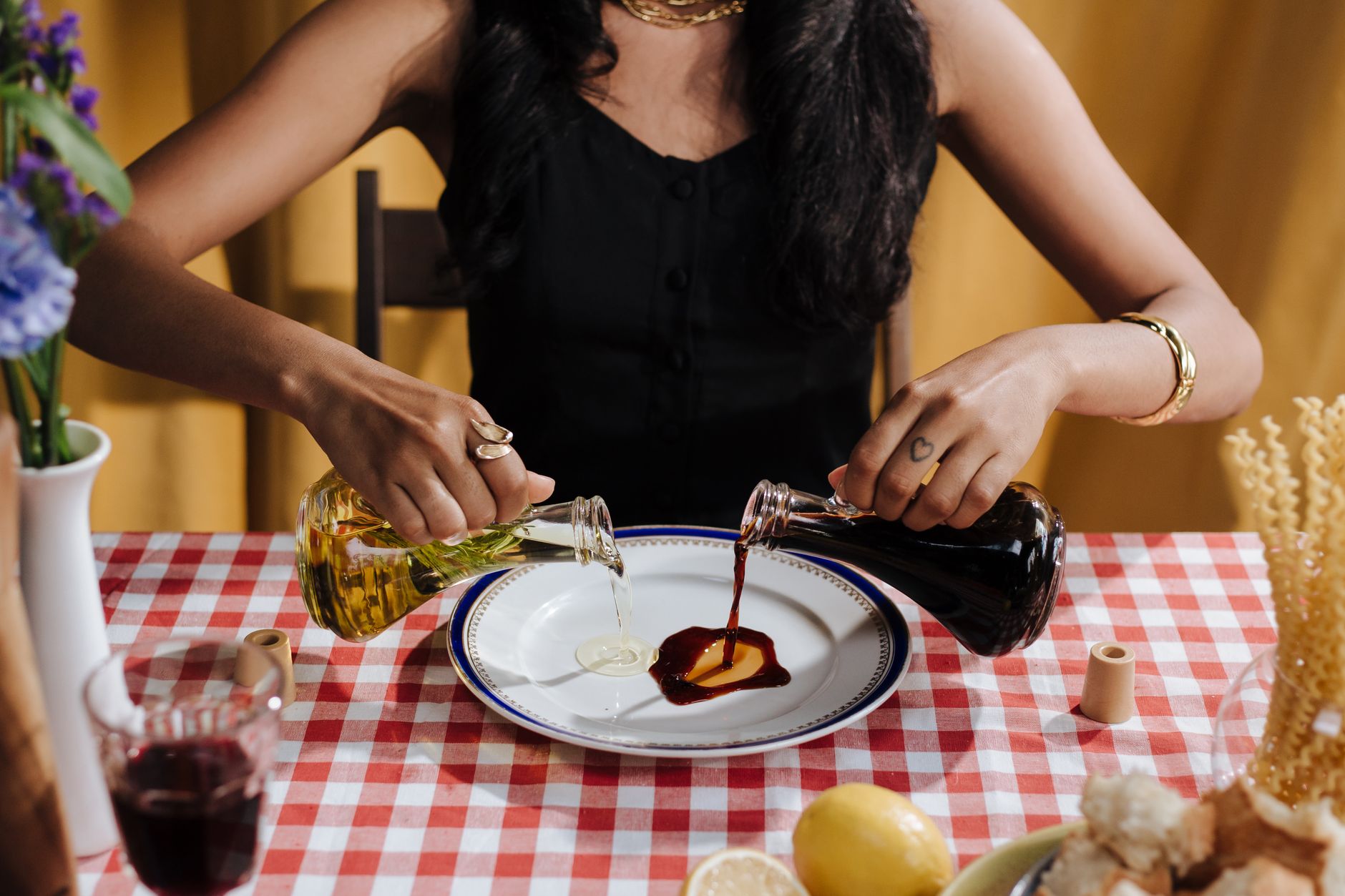
Red wine vinegar can elevate simple salads by adding acidity and depth. Combine it with olive oil, salt, and pepper for a classic vinaigrette. You can also experiment with adding mustard or herbs such as oregano or thyme for additional flavor.
2. Marinades
Use red wine vinegar as a base for marinades for meats, poultry, or vegetables. It helps tenderize proteins while imparting a rich flavor. Combine it with low FODMAP herbs and spices like rosemary, thyme, and black pepper, along with oil and a sweetener like maple syrup for balance.
3. Cooking and Grilling
Incorporate red wine vinegar into sauces and glazes for meats or grilled vegetables. Its acid cuts through richness, balancing flavors. Just be sure to check other ingredients in your sauce for high FODMAP components.
4. Pickling Vegetables
Red wine vinegar is fantastic for pickling. Use it to brine low FODMAP vegetables like cucumbers and carrots for a delicious side or addition to salads. Balance it out with salt and sugar, and allow the veggies to soak in the brine for at least a few hours for optimal flavor absorption.
Practical Serving Tips and Considerations
While red wine vinegar is a flavorful and low FODMAP addition to your kitchen, consider the following tips to maximize its benefits:
- Moderation is Key: While red wine vinegar is low FODMAP, consuming large quantities could still cause digestive discomfort. Aim for about 1-2 tablespoons per serving as a guideline.
- Flavor Variability: Different brands may have slight variations in acidity and flavor. Always taste before using it in recipes to determine if adjustments are needed.
- Storage: Store red wine vinegar in a cool, dark place. After opening, it can usually last for several months, though it’s best to check for any off smells or changes in color.
- Combine with Other Low FODMAP Ingredients: Pair red wine vinegar with other low FODMAP ingredients like olive oil, herbs, and common low FODMAP vegetables for the best flavor profiles.
Common Mistakes to Avoid
When using red wine vinegar, keep in mind these common mistakes that could affect your dish or its compatibility with a low FODMAP diet:
- Not Checking Labels: Ensure that the red wine vinegar does not include high FODMAP additives, such as onion or garlic-flavored variants.
- Excessive Use: Using too much vinegar can lead to overpowering acidity in your dishes instead of enhancing flavors.
- Ignoring Personal Tolerance: Always pay attention to your body’s reactions. While red wine vinegar may be low FODMAP, individual tolerances will vary.
Making Your Own Red Wine Vinegar
If you want to ensure purity or control the ingredients and flavors, making your own red wine vinegar is an option. This process requires patience but can yield satisfying results. Here’s an overview of how to do it:
Ingredients
- 1 bottle of red wine (750ml)
- 1 cup of unfiltered vinegar (such as apple cider vinegar—which is low FODMAP)
- A jar with a wide opening and cheesecloth or a breathable cover
Instructions
- Pour the red wine and unfiltered vinegar into the jar. Stir gently to mix.
- Cover the top of the jar with cheesecloth or a breathable fabric. Secure it with a rubber band. This allows air flow while preventing dust and insects from contaminating the vinegar.
- Store the jar in a warm, dark spot, such as a pantry or cabinet. Let it sit for about 2 to 3 weeks.
- Sample the vinegar weekly by tasting it. When it reaches your desired flavor, bottle it. It can continue fermenting in the bottle as well.
- Once bottled, you can store it similarly to store-bought red wine vinegar.
Storing Red Wine Vinegar
To ensure your red wine vinegar remains fresh and flavorful, follow these guidelines:
- Airtight Containers: Keep it in a tightly sealed bottle or jar to limit air exposure, which can affect its quality over time.
- Cool, Dark Locations: Store the vinegar in a pantry or cupboard away from sunlight, as light can alter its flavor and shorten its shelf life.
- Check for Changes: Regularly check for signs of spoilage, such as changes in smell or appearance. Though vinegar typically has a long shelf life, it can develop an off taste.
In summary, red wine vinegar is a flavorful and versatile ingredient that can easily fit into a low FODMAP diet. As you incorporate this ingredient into your meals, remember to consider personal tolerance levels, portion sizes, and combinations with other low FODMAP ingredients. With these tips, you can enjoy the rich flavors of red wine vinegar without compromising your dietary needs.
For more food guides, recipe ideas, or cooking tips, explore a variety of culinary resources or experiment with different techniques in your kitchen!