
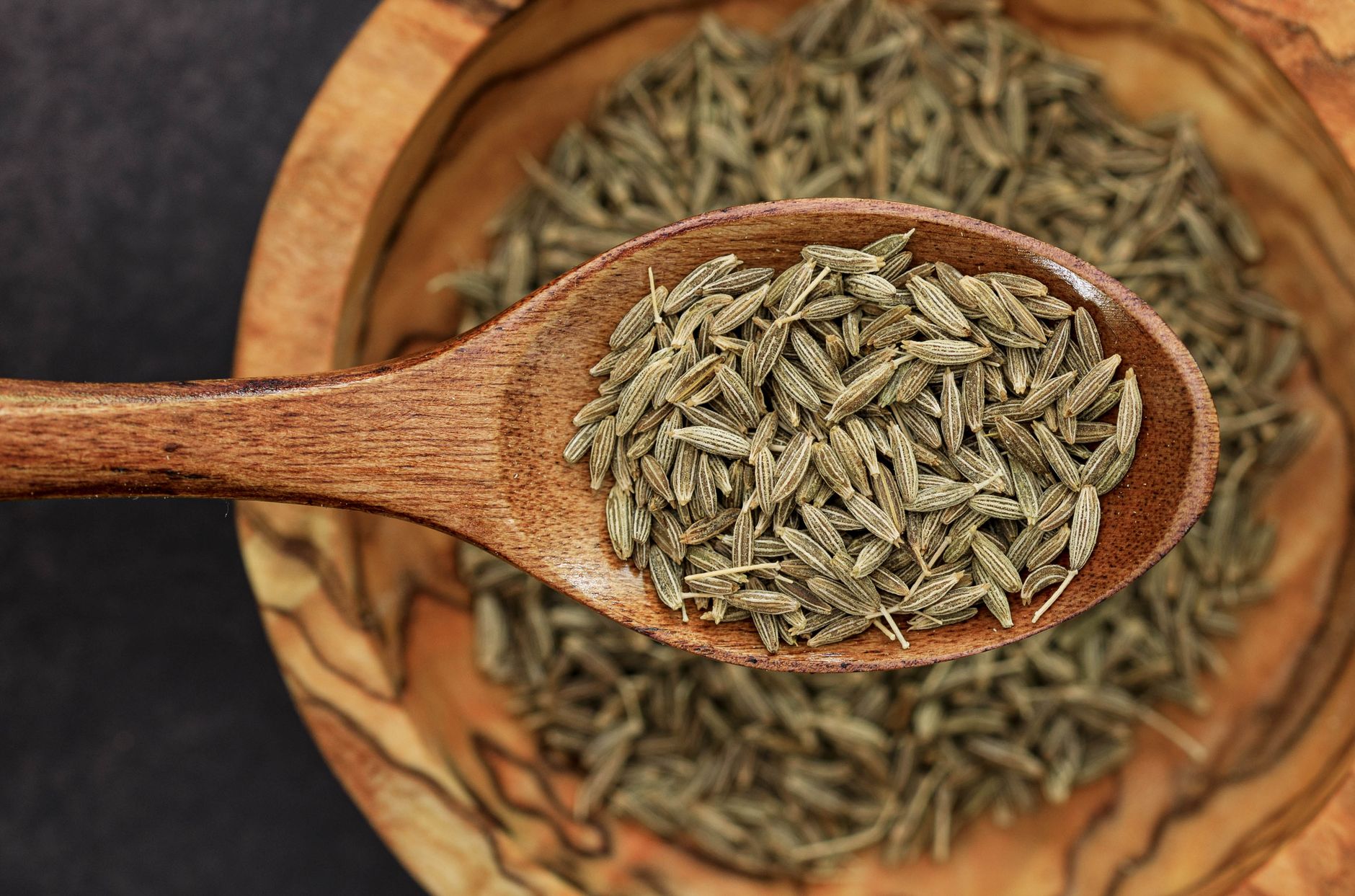
Cumin is a spice known for its distinctive earthy flavor and warm aroma, often featured in various cuisines worldwide. However, if you’re out of cumin or looking for alternatives, you might be curious about spices that provide a similar flavor profile.
This article will explore spices comparable to cumin, their flavors, uses in the kitchen, and tips for substitution to help you navigate your cooking endeavors seamlessly.
What Spice Is Similar to Cumin?
Spices similar to cumin include coriander, caraway, fennel seeds, and chili powder. While each offers its unique flavor, they can be used as alternatives in various dishes when you find yourself without cumin.
Understanding Cumin
Cumin is derived from the seeds of the Cuminum cyminum plant, belonging to the parsley family. This spice is primarily known for its nutty, warming flavor, characterized by earthy and slightly bitter notes. Cumin can be found in both whole seed and ground forms.
Cumin plays a significant role in numerous global cuisines, especially in Indian, Middle Eastern, and Mexican cooking, where it’s used to season dishes like curries, stews, and tacos. Its flavor enhances the overall complexity of a dish, often complementing other spices and herbs.
Spices Similar to Cumin
Coriander
Coriander is perhaps the closest match to cumin, sharing similar nutty and warm flavors. Derived from the seeds of the Coriandrum sativum plant, coriander can either be used whole or ground. The flavor is slightly citrusy, which can add a unique brightness to dishes.
- Flavor Profile: Mildly sweet, earthy, and somewhat citrusy.
- Best Uses: Ideal in Indian curries, spice blends, and Mexican dishes such as salsa.
- Substitution Ratio: Use an equal amount of coriander when substituting for cumin.
Caraway
Caraway seeds, also known as meridian fennel, offer a distinct flavor similarity to cumin. While slightly sweeter and more anise-flavored, they can typically stand in for cumin in certain recipes.
- Flavor Profile: Sweet, peppery, with a hint of anise.
- Best Uses: Works well in breads, stews, and cabbage dishes, and in certain spice blends.
- Substitution Ratio: Use slightly less caraway than cumin, as the flavor can be more intense.
Fennel Seeds
Fennel seeds can be used as another alternative to cumin. They possess a sweet flavor with hints of licorice, which can be excellent in dishes where a sweet note is desired alongside the earthy depth of cumin.
- Flavor Profile: Sweet, aromatic, and slightly anise-like.
- Best Uses: Suitable for Italian dishes, sausages, and aromatic spice blends.
- Substitution Ratio: Use a 1:1 ratio for fennel seeds when substituting for cumin.
Chili Powder
While chili powder is primarily known for its heat rather than its earthiness, it can complement the flavor of a dish in the same way cumin does. When you’re seeking a spicy kick in addition to the earthiness, chili powder can be a viable alternative.
- Flavor Profile: Spicy, smoky, and slightly sweet.
- Best Uses: Excellent in chili, tacos, and many southwestern dishes.
- Substitution Ratio: Start with half the amount of chili powder and adjust according to your taste preference.
Other Flavorful Alternatives
In addition to the aforementioned spices, here are a few more alternatives that may work in a pinch:
Paprika
Paprika, particularly smoked paprika, can provide depth and a lovely color to your dish, albeit with a different flavor than cumin. It’s great for enhancing stews or spice blends.
- Flavor Profile: Mild, sweet, or smoky depending on the type.
- Best Uses: Works well in soups, stews, and on roasted vegetables.
- Substitution Ratio: Use a 1:1 ratio for cumin in spice blends.
Allspice
Allspice gives a complex flavor, resembling a mix of cinnamon, nutmeg, and cloves while maintaining a warm undertone that can stand in for cumin.
- Flavor Profile: Warm, sweet, and slightly peppery.
- Best Uses: Adds depth to sauces, marinades, and meat dishes.
- Substitution Ratio: Use half the quantity of allspice in place of cumin.
Turmeric
Turmeric offers an earthy flavor along with its vibrant golden color. While it doesn’t mimic cumin completely, it can add a warm tone to dishes.
- Flavor Profile: Earthy, bitter, with a touch of mustard.
- Best Uses: Great for Indian cooking, in rice dishes, and curries.
- Substitution Ratio: Use a 1:1 ratio for cumin but adjust the quantity for a more subtle flavor.
How to Use Substitutes Effectively
When substituting spices in your cooking, it’s essential to consider the overall flavor profile of the dish. Here are some tips to make substitution successful:
- Start Small: Begin with a smaller quantity of the substitute. You can always add more, but it’s harder to fix if you’ve added too much.
- Taste as You Go: Periodically taste the dish during cooking to gauge how the flavors are developing with the substitute.
- Pairing Spices: Sometimes, combining two substitutes can create a more complex flavor that approximates cumin better than a single substitute.
- Consider Cooking Time: Some spices release their flavor quickly, while others take longer. Adjust the timing of when you add a substitute accordingly.
Cooking with Cumin: Flavor Pairing and Dishes
Cumin is versatile and pairs well with a range of other spices and ingredients, making it integral to many cuisines. Here are some classic dishes and pairings featuring cumin:
Indian Cuisine
Cumin is a staple herb in Indian cooking, commonly used in curries, lentil dishes, and spice blends like garam masala. It combines beautifully with:
- Turmeric
- Coriander
- Ginger
- Mustard seeds
Mexican Cuisine
In Mexican cooking, cumin is essential in chili, tacos, and enchilada sauces, complementing these dishes with:
- Chili powder
- Cilantro
- Lime
Middle Eastern Dishes
Cumin enhances the flavor of dishes like falafel, shwarma, and tagines. It pairs well with:
- Cilantro
- Paprika
- Sumac
Common Mistakes to Avoid When Using Cumin
Everyone makes mistakes in the kitchen, but avoiding these common ones can lead to better dishes:
- Too Much Cumin: Overusing cumin can result in a bitter flavor. Stick to the recommended amounts for the best results.
- Not Toasting Seeds: Toasting cumin seeds in a dry pan can enhance their flavor significantly. This step is often overlooked.
- Neglecting Freshness: Spices lose their potency over time. Always check the freshness of your cumin seeds or powder for optimal flavor.
Storing Cumin and Other Spices
Proper storage of spices can extend their shelf life and maintain their flavor. Here are some storage tips:
- Keep in a Cool, Dark Place: Store cumin in a tight container away from direct sunlight and heat sources.
- Prefer Whole Seeds: Whole cumin seeds last longer than ground cumin. Grind only what you need for a dish.
- Label Containers: Clearly label spice containers with the purchase date to keep track of freshness.
Conclusion
When looking for a spice similar to cumin, consider alternatives like coriander, caraway, fennel seeds, and chili powder. Each brings its flavor and can enhance your cooking experience. Substitute wisely, use as per the flavor of your dish, and enjoy experimenting with these spices in your kitchen.
For more information on cooking with spices, check out our guide on substitutes for coriander and learn how to make delicious dishes using chicken fajita seasoning.