
When it comes to digestion, the food we consume plays a pivotal role in how effectively our bodies break down nutrients. Improving digestion can not only enhance overall health but also make everyday eating more enjoyable. This article will focus on foods, dietary habits, and tips that can help ensure smooth digestion.
From understanding the importance of fiber to the role of portion sizes, let’s explore various elements that contribute to our digestive health and ways to incorporate them into our meals.
What Helps with Digestion?
Some common factors that promote good digestion include high-fiber foods, sufficient hydration, mindful eating, and probiotics. These elements work together to enhance gut health, reduce bloating, and aid in efficient nutrient absorption.
The Importance of Fiber in Digestion
Fiber is a crucial component of a digestive-friendly diet. It aids in moving food through the digestive tract, reduces constipation, and contributes to an overall healthier gut. Fiber can be categorized into two types: soluble and insoluble, both of which provide distinct benefits.
Types of Fiber
- Soluble Fiber: This type dissolves in water and forms a gel-like substance. It helps manage blood sugar levels and lower cholesterol. Good sources include oats, beans, lentils, apples, and citrus fruits.
- Insoluble Fiber: This type does not dissolve in water and adds bulk to the stool, promoting regular bowel movements. Sources include whole grains, nuts, seeds, and vegetables such as carrots and celery.
Daily Fiber Recommendations
The daily fiber intake varies by age and sex. Guidelines suggest that adult women aim for about 25 grams per day, while men should target around 38 grams. Gradually increasing fiber intake is essential to minimize digestive discomfort.
Incorporating Fiber-Rich Foods
Here are some tasty ways to add more fiber to your meals:
- Breakfast: Opt for oatmeal topped with fresh fruits and nuts.
- Lunch: Include a hearty salad filled with leafy greens, chickpeas, and a variety of vegetables.
- Dinner: Serve brown rice or quinoa as a side dish, paired with a protein source and steamed broccoli.
- Snacks: Snack on raw vegetables with hummus, or enjoy a piece of whole-fruit.
Portion Sizes Matter
Another key factor in promoting good digestion is being mindful of portion sizes. Eating large meals can overwhelm the digestive system, leading to discomfort, bloating, or indigestion. Smaller, well-balanced meals spaced out throughout the day can help alleviate these issues.
Understanding Portion Control
Here are practical tips for managing portion sizes:
- Use Smaller Plates: Serving food on smaller plates can create the illusion of larger portions.
- Mindful Eating: Pay attention to your hunger cues and eat slowly. Allow time for your brain to signal fullness.
- Measure Portions: When possible, use a food scale or measuring cups to better understand serving sizes.
A Sample Meal Plan for Better Digestion
Below is an example of a one-day meal plan focusing on fiber-rich foods and mindful portion sizes:
| Meal | Foods |
|---|---|
| Breakfast | 1 cup of oatmeal topped with berries and a tablespoon of chia seeds |
| Mid-Morning Snack | 1 medium apple with 2 tablespoons of almond butter |
| Lunch | Quinoa salad with chopped cucumbers, bell peppers, chickpeas, and parsley |
| Afternoon Snack | Carrot sticks with hummus |
| Dinner | Grilled chicken breast, brown rice, and steamed broccoli |
Staying Hydrated
Hydration is equally important to digestion. Water helps dissolve nutrients, making them easier for the body to absorb. It also assists in softening stool, thus preventing constipation.
Daily Water Intake Recommendations
The general recommendation for water intake is about eight 8-ounce glasses per day (known as the “8×8 rule”). However, individual needs may vary based on factors such as activity level or climate.
Hydrating Food Choices
In addition to drinking water, consume foods that contribute to hydration:
- Cucumbers: These have a high water content and are great in salads or smoothies.
- Watermelon: A juicy snack that refreshes and hydrates simultaneously.
- Celery: Great for snacking and adds crunch to meals while providing hydration.
Probiotics and Gut Health
Probiotics are beneficial bacteria that contribute to a healthy gut microbiome. They help breakdown food, produce vitamins, and protect against harmful bacteria. Integrating them into your diet can significantly improve digestive health.
Sources of Probiotics
Here are some food sources rich in probiotics:
- Yogurt: Look for options labeled “live and active cultures.”
- Kefir: A fermented dairy product similar to yogurt, but thinner in texture.
- Kombucha: A fermented tea drink that contains both probiotics and antioxidants.
- Fermented Vegetables: Sauerkraut, kimchi, and pickles provide gut-friendly bacteria.
Adding Probiotic Foods to Your Routine
Here’s how to introduce probiotics into your diet:
- Add a serving of yogurt to your breakfast.
- Incorporate fermented vegetables into your salads or sandwiches.
- Enjoy a glass of kombucha as an afternoon refreshment.
Avoiding Common Digestive Triggers
While many foods promote good digestion, some can have the opposite effect. It’s essential to be aware of these foods and practices that can lead to digestive discomfort.
Foods That May Cause Issues
- Processed Foods: High in sugars and unhealthy fats, these can cause bloating and discomfort.
- Excessive Dairy: Some individuals may have lactose intolerance, leading to gas and bloating after consuming dairy products.
- High-Fat Foods: Fatty foods can delay stomach emptying, resulting in indigestion.
Mindful Eating Practices
Incorporating mindful eating practices can also help enhance digestion:
- Chew food thoroughly to aid in breakdown and absorption.
- Avoid distractions like television or smartphones during meals.
- Practice gratitude and mindfulness over your meals to foster connection with your food.
Herbs and Spices for Digestion
Certain herbs and spices can bring additional benefits to digestion. Incorporating these into meals can enhance flavor while aiding gastrointestinal health.
Beneficial Herbs and Spices
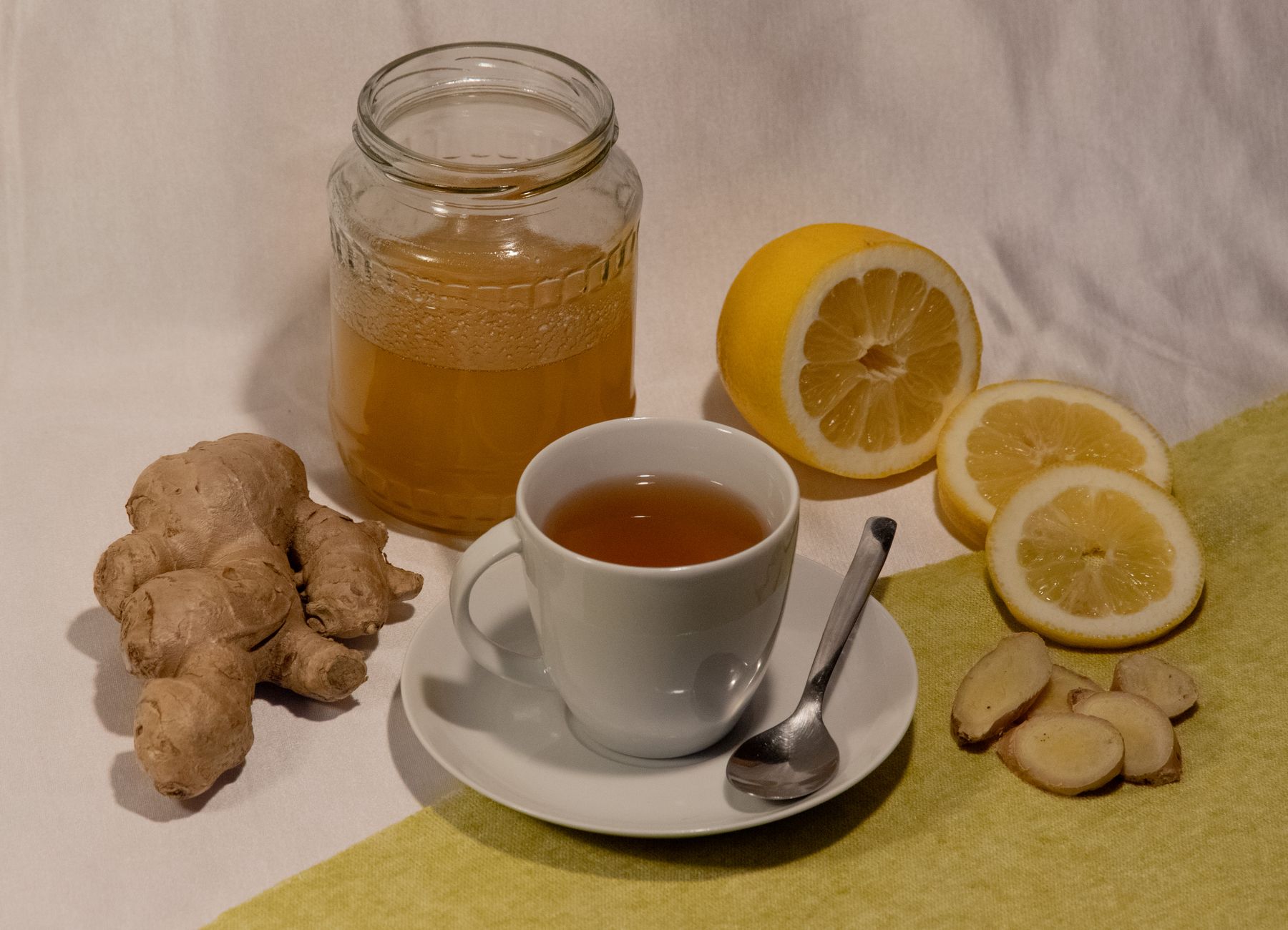
- Ginger: Known for its anti-nausea properties, it can soothe the stomach and reduce bloating.
- Peppermint: Can relieve symptoms of IBS and is good for soothing digestive discomfort.
- Turmeric: Contains curcumin, which may aid digestion and reduce inflammation.
The Role of Lifestyle in Digestion
Diet is just one part of promoting healthy digestion. Factors such as exercise, stress management, and sleep can significantly impact gut health.
Exercise and Digestion
Regular physical activity aids digestion by helping food move through the digestive system more efficiently. Aim for at least 30 minutes of moderate exercise most days of the week.
Stress Management
High-stress levels can lead to digestive issues such as upset stomach or irritable bowel syndrome (IBS). Practices like meditation, yoga, or deep breathing can help reduce stress and, in turn, benefit digestion.
Prioritizing Sleep
A sufficient sleep schedule supports digestive health as well. Aim for 7 to 9 hours of quality sleep per night to maintain metabolic balance and support overall wellness.
Listening to Your Body
Understanding and paying attention to your body’s signals is essential for digestive health. If certain foods or practices consistently lead to discomfort, consider adjusting your diet or consulting with a healthcare professional.
Common Digestive Issues to Monitor
- Gas and bloating
- Heartburn or acid reflux
- Constipation or diarrhea
If any of these issues persist, it might be beneficial to explore dietary adjustments or seek professional advice.
Conclusion
Implementing dietary changes that include high-fiber foods, appropriate hydration, and probiotics can significantly improve digestion. Mindful eating practices, attention to portion sizes, and lifestyle factors like exercise and stress management play equally important roles. By paying attention to what you eat and how you eat it, you can enhance your digestive health and overall well-being.
For more information on incorporating fiber into your diet, check out our guide on the benefits of chia seeds or try our delicious chia pudding recipe for a fiber-rich treat.