
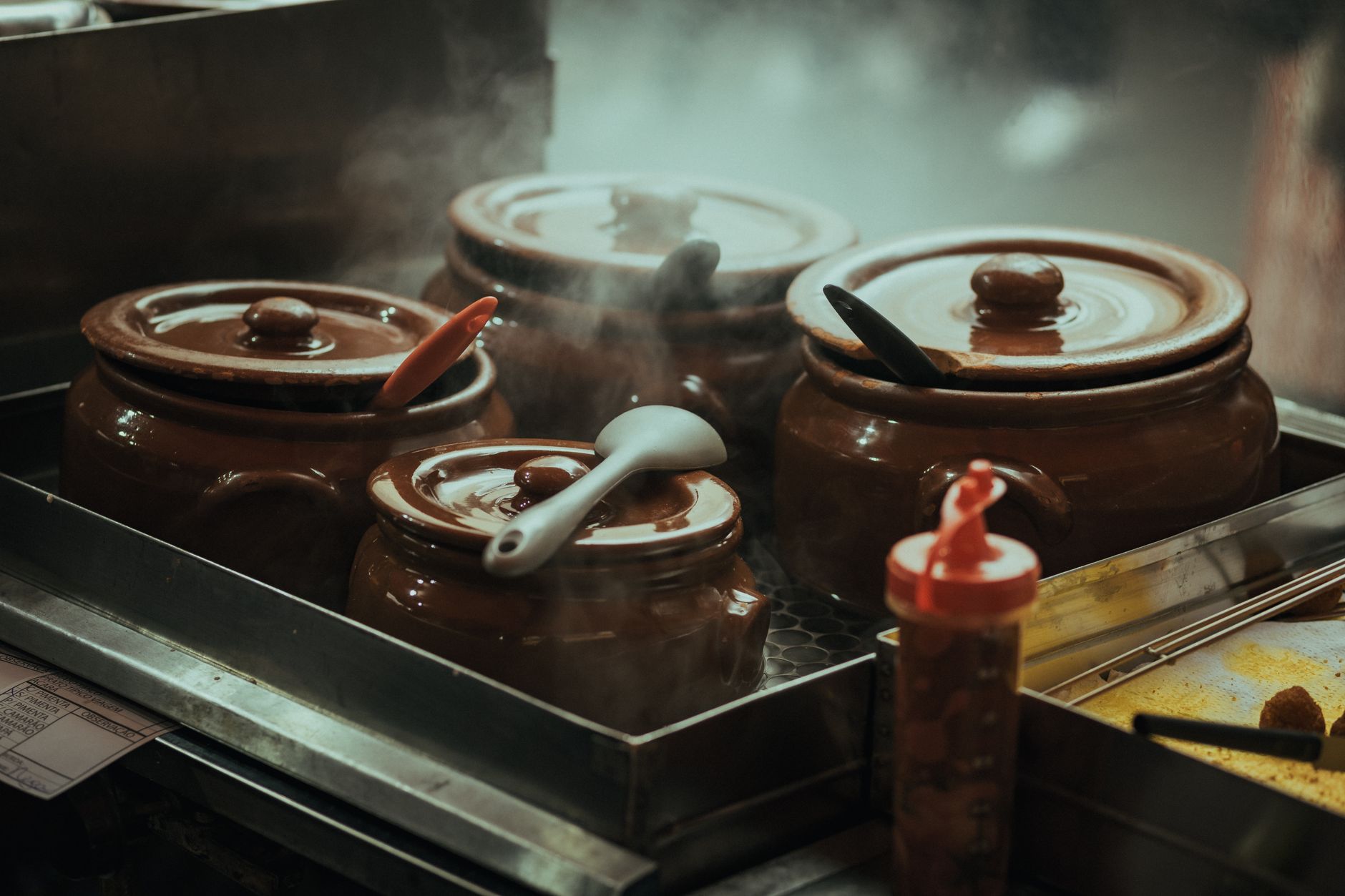
Simmering is a foundational cooking technique that is essential in many culinary traditions. It involves cooking food in liquid just below its boiling point, allowing flavors to meld and develop without boiling. Understanding how to simmer can elevate your cooking, offering richer flavors and more tender textures.
This article will explore the art of simmering—how it works, suitable ingredients, common uses, tips for perfecting the technique, and how simmering differs from other cooking methods.
What Does It Mean to Simmer?
Simmering refers to the process of cooking food in liquid at a temperature just below the boiling point, typically between 180°F to 205°F (82°C to 96°C). Unlike boiling, where bubbles surge rapidly to the surface, simmering features small, gentle bubbles that intermittently break the surface. This method is ideal for both maintaining the integrity of delicate ingredients and extracting flavors from tougher ones.
The Science Behind Simmering
Simmering is more than just a cooking method; it’s a technique grounded in food science. At simulating temperatures, the liquid is hot enough to cook food while allowing it to undergo the Maillard reaction and caramelization, leading to complex flavors.
When you simmer, the heat is gentle. This prevents delicate foods, like fish, from breaking apart and allows tougher ingredients, such as meats and fibrous vegetables, to soften and release their flavors into the cooking liquid.
Choosing the Right Liquid for Simmering
The choice of liquid can significantly influence the outcome of your dish. Here are some common options:
- Water: The most basic option, useful for simplicity, though not ideal for flavor.
- Broth/Stock: Chicken, beef, vegetable, or fish stocks provide a depth of flavor.
- Wine: Often used in sauces, wine adds acidity and complexity.
- Coconut Milk: This adds creaminess and sweetness, great for curries.
- Tomato Sauce: Often used for simmering meats and vegetables, this adds acidity and richness.
Common Foods That Are Simmered
Many types of food lend themselves well to simmering. Here are a few categories:
- Soups: Ingredients like vegetables, grains, and legumes benefit greatly from simmering to enhance their flavor.
- Curries: Simmering allows spices and aromatics to meld, resulting in rich, complex sauces.
- Stews: Tough cuts of meat become tender and flavorful when simmered for several hours.
- Pasta: Some recipes call for cooking pasta in a sauce that simmers, allowing for infusion of flavors.
- Rice and Grains: Simmering grains allows them to absorb flavors from the cooking liquid.
The Benefits of Simmering
Using this technique offers several advantages:
- Flavor Development: Flavors have time to meld and deepen, resulting in more complex dishes.
- Tender Textures: Tough cuts of meat and fibrous vegetables become tender without drying out.
- Control Over Cooking: Simmering provides greater control over the cooking process and helps prevent burning and sticking.
- Healthier Cooking: Many simmered dishes require less oil or fat than frying or sautéing.
How to Simmer: Step-by-Step Instructions
Simmering is straightforward, but success depends on technique. Follow these steps for perfect simmering:
- Choose Your Liquid: Start by selecting the appropriate liquid for your recipe.
- Bring to a Boil: Heat the liquid in a pot over medium-high heat until it reaches a full boil.
- Reduce the Heat: Once boiling, reduce the heat to low or medium-low, depending on your stove, to maintain a steady simmer.
- Add Ingredients: Incorporate your ingredients, ensuring they are submerged in the liquid.
- Monitor the Temperature: Use a thermometer if needed to maintain the temperature between 180°F and 205°F (82°C and 96°C).
- Stir Occasionally: Gently stir your dish every so often to prevent sticking and promote even cooking.
- Check for Doneness: Periodically check your ingredients for doneness and adjust cooking time as necessary.
Common Mistakes When Simmering
Even experienced cooks can make errors while simmering. Here are some pitfalls to avoid:
- Too High Heat: Cooking at too high a temperature can lead to boiling rather than simmering, potentially toughening delicate ingredients.
- Ignoring Time: Failing to monitor the cooking time can result in overcooked foods, especially for delicate ingredients like fish.
- Inadequate Liquid: Not providing enough liquid can cause sticking or burning.
- Neglecting Flavoring: Failing to season or add aromatics at the right time can result in bland dishes.
Simmering vs. Boiling
While both simmering and boiling involve cooking food in liquid, they are fundamentally different techniques:
| Feature | Simmering | Boiling |
|---|---|---|
| Temperature | 180°F – 205°F (82°C – 96°C) | 212°F (100°C) |
| Bubble Action | Gentle bubbles | Rapid bubbling |
| Typical Foods | Soups, stews, sauces | Pasta, blanching vegetables |
| Effect on Ingredients | Tenderizes without breaking | Can toughen delicate items |
Enhancing Flavors While Simmering
To get the most out of your simmered dishes, consider the following tips:
- Add Aromatics: Onions, garlic, ginger, and herbs can significantly enhance the flavor of your liquid.
- Use Acid: Adding a splash of vinegar or citrus juice at the end can brighten flavors.
- Season Gradually: Seasonings can change as the dish cooks; taste frequently and adjust as necessary.
- Layer the Ingredients: Adding ingredients in stages can help control textures, ensuring that everything is cooked just right.
How Long to Simmer Culinary Essentials
Depending on the ingredients, simmering time may vary considerably. Here’s a general guideline for common items:
- Vegetables: 15-20 minutes for soft vegetables, longer for fibrous ones.
- Legumes: 30-60 minutes for canned legumes, longer for dried ones (1-2 hours).
- Tough Cuts of Meat: 1.5 to 3 hours, depending on the size and type.
- Fish: 10-15 minutes for fillets, depending on thickness.
- Grains: 10-30 minutes depending on the type.
Recipe Ideas for Simmering
Now that you understand the technique, here are some recipe ideas to practice simmering:
- Classic Chicken Soup: Simmer chicken pieces, vegetables, and herbs in broth for a comforting dish.
- Hearty Beef Stew: Simmer chunks of beef with potatoes, carrots, and aromatics for a savory meal.
- Vegetable Curry: Simmer your favorite vegetables with coconut milk and spices for a wholesome dish.
- Chili: Combine beans, tomatoes, and spices and let simmer for a rich vegetarian option.
- Risotto: Gradually add broth to your arborio rice, allowing it to simmer and absorb flavors as you stir.
Simmering in Different Cuisines
Simmering techniques and applications vary across culinary traditions:
- Mediterranean: Soups, stews, and braised dishes often rely on simmering, with herbs for flavor.
- Asian: Many Asian dishes use simmering in broths or sauces, featuring frequent use of soy sauce and spices.
- Latin: Tomatillo salsas and rich mole sauces may rely on simmering for depth and flavor integration.
- Southern U.S.: Gumbos and jambalayas often require simmering to develop their signature flavors.
Storage and Reheating Simmered Dishes
Proper storage can extend the life of your simmered meals. Follow these guidelines:
- Cooling: Allow simmered dishes to cool at room temperature for no more than two hours before refrigerating.
- Storage: Store in airtight containers in the fridge for up to 3-4 days, or freeze for longer storage (up to 3 months).
- Reheating: Reheat thoroughly on the stovetop until steaming, ensuring even heating throughout.
Understanding how to simmer effectively can make a significant difference in your cooking. By allowing flavors to develop slowly and balancing textures, you can create more delicious, well-rounded meals. Experimenting with different ingredients and techniques can enhance your culinary repertoire.
For more culinary tips and techniques, explore our guides on cooking methods and ingredient uses or check out recipes to practice simmering in various dishes. Happy cooking!