
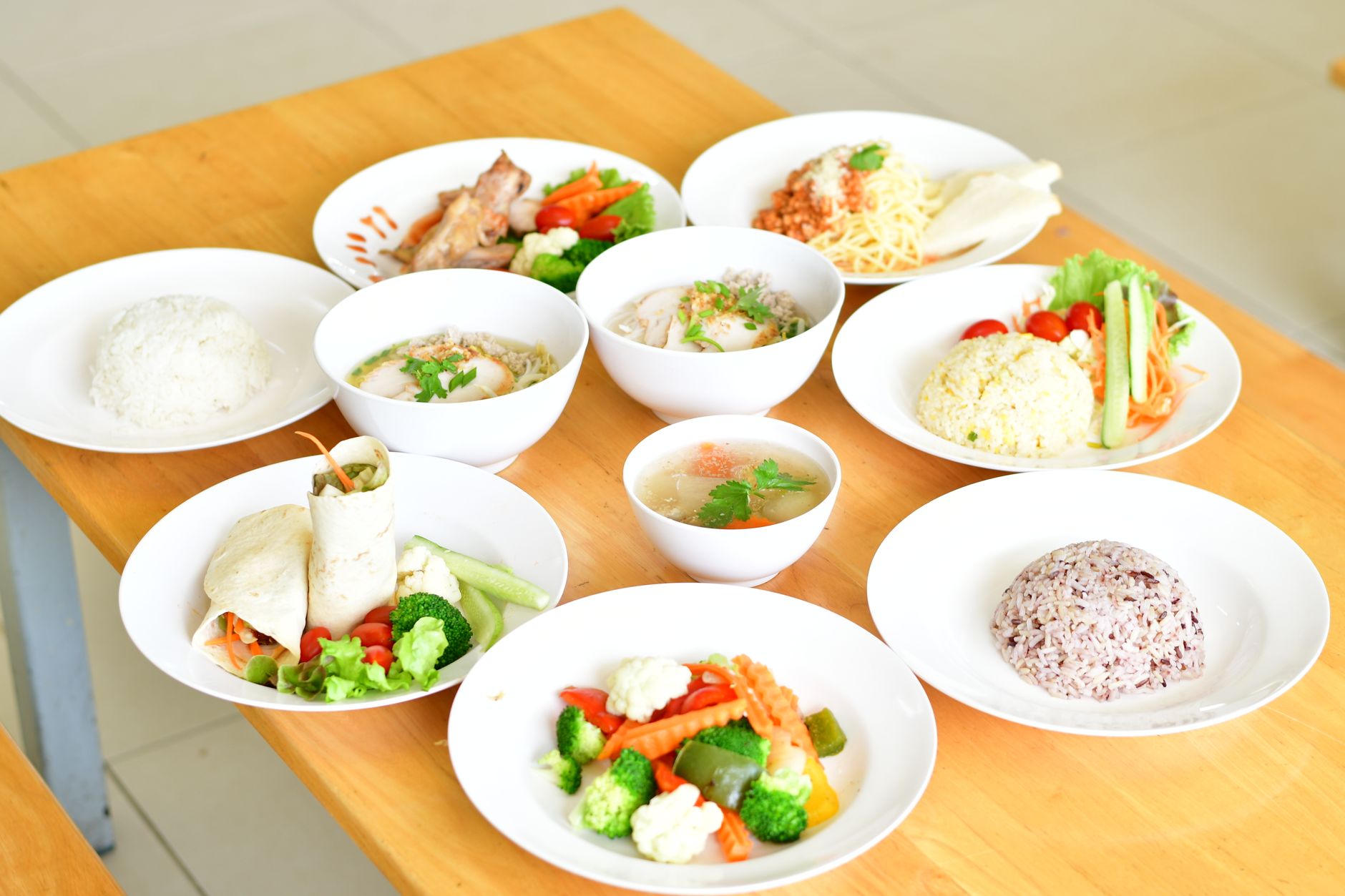
Determining how many calories a 14-year-old should consume is essential for ensuring proper growth, development, and overall well-being. This age marks a time of significant physical and hormonal changes, and a balanced diet plays a crucial role in supporting these transitions.
While individual caloric needs can vary based on several factors—such as gender, activity level, and overall health—understanding general guidelines helps in meal planning and maintaining a nutritious diet.
How Many Calories Should a 14 Year Old Eat?
A 14-year-old requires between 1,800 to 2,600 calories per day, depending on their activity level. Young individuals who are less active may need around 1,800 to 2,000 calories, while those who are very active might require up to 2,600 calories. It’s important to balance these calories with appropriate food choices to ensure that they receive essential nutrients.
Factors Influencing Caloric Needs
Several factors play a role in determining the caloric intake for a 14-year-old:
- Gender: Males generally require more calories than females due to higher muscle mass and metabolic rates.
- Activity Level: Active teens involved in sports or regular physical activities will have higher caloric needs compared to those who are less active.
- Growth Spurts: During puberty, teens may experience growth spurts, increasing their energy needs.
- Body Composition: Individual differences in muscle and fat composition can affect metabolism and energy expenditure.
Understanding Nutritional Requirements
Aside from calorie count, it’s crucial to understand the quality of the diet and ensure it includes a variety of food groups. Here’s a breakdown of recommended macronutrient distribution:
- Carbohydrates: 45-65% of total daily calories should come from carbohydrates, which provide essential energy.
- Proteins: 10-30% of total daily calories should come from proteins, important for growth and repair.
- Fats: 25-35% of total daily calories should be from healthy fats, crucial for hormone production and cellular function.
Meal Planning for a 14 Year Old
Creating balanced meals helps meet daily caloric and nutritional needs. Below are a few meal ideas that fit well within the caloric requirements:
Breakfast Ideas
- Oatmeal with fruit and nuts: Start the day with a bowl of oatmeal topped with banana slices, berries, and a handful of walnuts. This meal provides fiber, healthy fats, and essential vitamins.
- Scrambled eggs with vegetables: Two scrambled eggs mixed with spinach and tomatoes, alongside whole-grain toast, offers protein and nutrients for energy.
Lunch Ideas
- Grilled chicken salad: Include mixed greens, cucumbers, carrots, and a grilled chicken breast. Toss it with a vinaigrette for a balanced meal rich in protein, fiber, and vitamins.
- Whole grain wrap: Fill a whole grain wrap with turkey, avocado, lettuce, and tomato. Serve with a side of fruit or yogurt.
Dinner Ideas
- Stir-fried vegetables with tofu: A flavorful mix of broccoli, bell peppers, and carrots sautéed with tofu and served over brown rice makes for a nutritious and satisfying dinner.
- Fish tacos: Use grilled fish in corn tortillas with cabbage slaw and salsa. This provides omega-3 fatty acids along with fiber from veggies.
Snack Ideas
- Greek yogurt with honey and nuts: A great source of protein and healthy fats.
- Apple slices with peanut butter: A delicious and energy-boosting snack containing healthy fats and proteins.
Common Mistakes to Avoid
When planning meals and snacks for teens, it’s easy to make mistakes that can affect their health.
- Skipping meals: Encourage regular meals and snacks to prevent fatigue and low energy levels.
- Over-restricting calories: Ensure that caloric intake meets individual needs to support growth and energy levels.
- Neglecting hydration: Water is essential; encourage drinking water throughout the day, especially during physical activities.
Tips for Healthy Eating Habits
Developing healthy eating habits is crucial for a 14-year-old’s overall health.
- Involve Them in Meal Prep: Engage teens in shopping and cooking to teach them about nutrition.
- Make it Colorful: Include a variety of fruits and vegetables in meals for a range of nutrients.
- Limit Sugary Drinks: Promote water, milk, or natural fruit juices instead of sodas and energy drinks.
Addressing Special Dietary Needs
Some teens may have special dietary needs or preferences such as vegetarianism or food intolerances.
- Vegetarian Options: Ensure adequate protein through beans, lentils, tofu, and dairy products. Whole grains and leafy greens are also important.
- Food Allergies: Always read labels when purchasing packaged foods and consult with a healthcare provider for any dietary concerns.
Typical Caloric Sources
Understanding where calories are coming from helps in making informed food choices. Here are some common foods and their approximate calorie counts:
| Food Item | Calories (per serving) |
|---|---|
| 1 medium banana | 105 |
| 1 slice of whole grain bread | 80 |
| 2 scrambled eggs | 140 |
| 1 cup of cooked brown rice | 215 |
| 1 medium apple | 95 |
How to Track Caloric Intake
For those interested in monitoring caloric intake, tracking can be beneficial. Here are a few methods:
- Food Diary: Keeping a journal of what is eaten daily helps in understanding dietary habits.
- Apps and Websites: Several mobile applications can assist in tracking calories and nutritional values conveniently.
Importance of Listening to Body Cues
It’s important for teens to learn to recognize their hunger cues and eat when needed. Encouraging mindful eating can lead to healthy habits in the long run. Simple actions include:
- Eating Slowly: Taking time to chew food allows for better digestion and satisfaction.
- Focusing on Meals: Diminishing distractions like TV or phones during meals can help pay attention to hunger and fullness signals.
When to Consult a Healthcare Professional
If there are concerns regarding a teen’s eating habits, growth patterns, or overall health, consulting a healthcare professional or dietitian is advisable. A registered dietitian can provide personalized guidance tailored to individual needs.
Conclusion
Understanding how many calories a 14-year-old should eat is essential for their growth and energy needs. By focusing on a balanced diet rich in a variety of nutrients, parents and caregivers can help teenagers develop healthy eating habits that last a lifetime. Monitoring calorie intake, meal planning, and being attentive to dietary needs can ensure that they get the nourishment they require.
For more insights on calorie counts in foods, consider checking out how many calories in 2 scrambled eggs or how many calories in pho.