
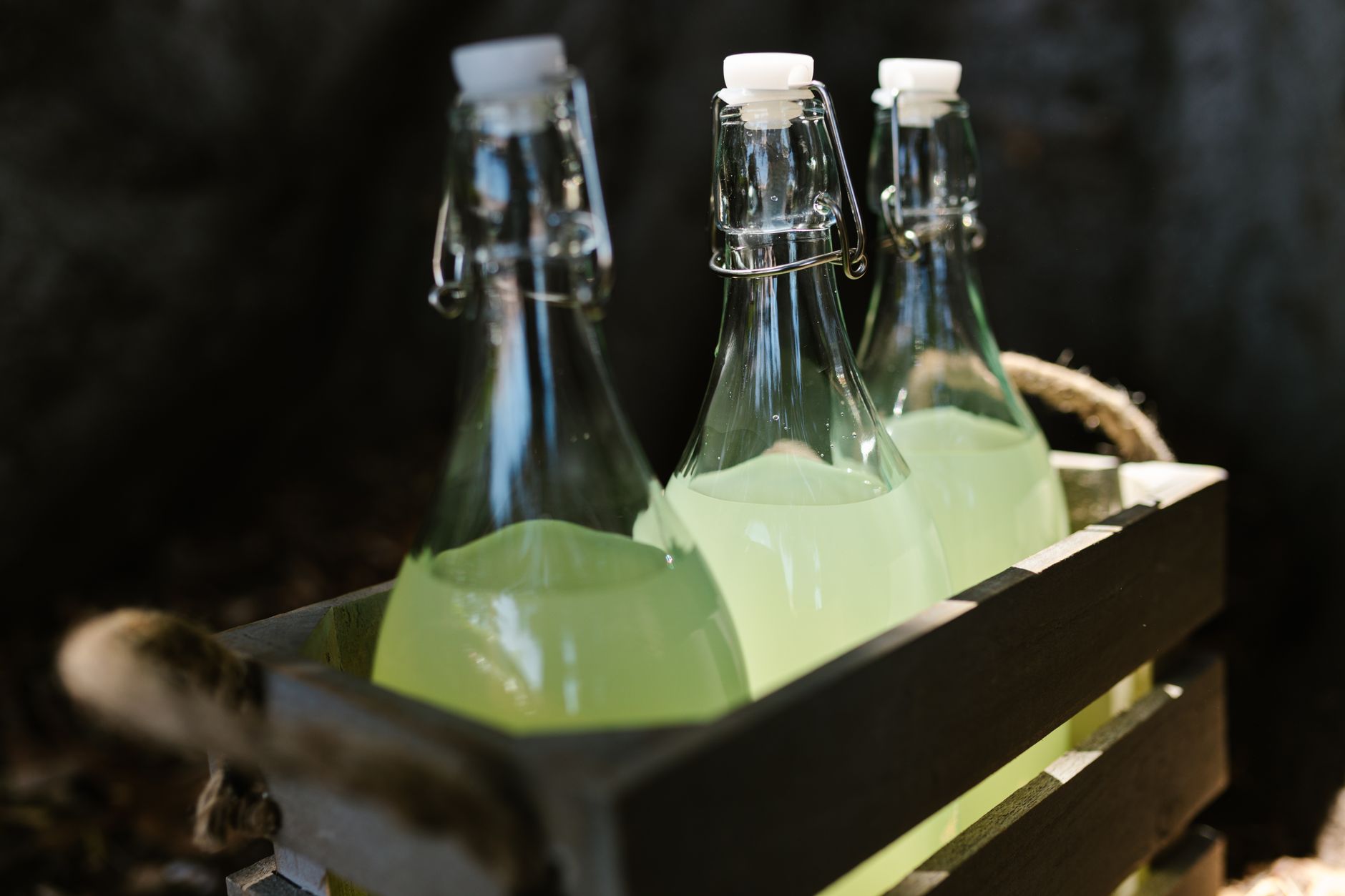
Mead is an ancient alcoholic beverage made by fermenting honey with water, and sometimes with the addition of fruits, spices, or various flavors. Known for its rich history and unique taste, many mead enthusiasts find themselves wondering about its shelf life and how to store it. This comprehensive guide explores the essentials of whether mead goes bad, including its shelf life, storage tips, spoilage signs, and much more.
Whether you’re a casual drinker, a connoisseur, or someone who has stumbled upon a bottle of mead in the back of your pantry, understanding the longevity and safety of this beverage is essential. Let’s dive into the world of mead to answer the burning question: does mead go bad?
Does Mead Go Bad?
Yes, mead can go bad, though it has a relatively long shelf life compared to many other beverages. Proper storage will significantly prolong its quality. Mead can last for several years if stored correctly, but signs of spoilage can indicate that it is no longer safe to consume or has lost its desirable flavors.
Understanding Mead and Its Components
Mead is primarily composed of three ingredients: honey, water, and yeast. The fermentation process transforms these components into alcohol, carbon dioxide, and various flavor compounds. The quality and type of honey, water, and even the yeast strains used can significantly influence the final product.
Mead comes in several varieties, including:
- Traditional Mead: Made primarily from honey, water, and yeast.
- Melomel: Mead that includes fruits.
- Metheglin: Mead that is flavored with spices or herbs.
- Sack Mead: A sweeter and stronger version of traditional mead.
Shelf Life of Mead
The shelf life of mead can vary depending on several factors, including the style of mead, alcohol content, and storage conditions. Here is a general guideline:
- High Alcohol Content: Mead with an alcohol content of 12% or higher can last for several years, often improving in flavor over time.
- Lower Alcohol Content: Mead with an alcohol content below 12% may only last for 2-3 years at best.
- Sweet Mead: Sweet meads are typically best consumed within 1-2 years, as their sugar content can make them prone to spoilage.
Storage Tips for Mead
To extend the shelf life of your mead and maintain its quality, consider the following storage tips:
- Cool and Dark Place: Store mead in a cool, dark area away from direct sunlight and temperature fluctuations.
- Upright Position: Unlike wine, mead should be stored upright to minimize contact between the cork and mead, preventing cork taint.
- Temperature Control: Ideally, mead should be kept at a stable temperature between 50°F and 60°F (10°C – 15°C).
- Seal Properly: Ensure that the bottle is sealed tightly to prevent oxidation and spoilage.
Signs of Spoilage in Mead
While mead has a long shelf life, it is important to recognize signs of spoilage when consuming old mead. Here are the most common indications that mead may have gone bad:
- Unpleasant Odor: If the mead has a strong, off-putting smell, it may have spoiled.
- Unexpected Flavor Changes: Sour or vinegary tastes can indicate spoilage. Fresh mead should have a pleasant, sweet, or balanced flavor.
- Cloudiness or Sediment: Although some meads may have naturally occurring sediments, a cloudy appearance or unusual sediments may indicate spoilage.
- Carbonation Issues: If mead that should be sparkling appears flat, it may have gone bad.
Tips for Enjoying Mead Safely
To enjoy mead safely, keep the following tips in mind:
- Check Expiration Dates: If your mead has a printed expiration or best-by date, be aware of it to help guide your consumption.
- Taste Test: When opening a bottle of older mead, take a small sip first to gauge its flavor before pouring a full glass.
- Purchase Quality Mead: Buying from reputable producers can enhance your chances of getting a high-quality product with good shelf stability.
- Avoid Contamination: Use a clean glass when pouring to prevent contamination and spoilage.
Can You Freeze Mead?
Freezing mead is not typically recommended. The high sugar and alcohol content can affect the freezing process and texture of the mead, potentially leading to an undesirable flavor after thawing. If you do need to store mead for an extended period, following the standard storage methods is the best practice.
Mead Storage Questions Answered
Here are some common questions related to mead storage and spoilage:
1. Can unopened mead go bad?
Unopened mead has a much longer shelf life, often lasting for years when stored properly. However, quality may degrade over time, particularly for sweeter meads.
2. Does mead age well?
Higher alcohol content meads and those with balanced flavors can improve with age, developing more complex flavors and aromas. However, many meads are best enjoyed fresh.
3. Can I drink mead past its expiration date?
While drinking mead past its expiration date is generally safe if there are no signs of spoilage, it’s essential to use your judgment and conduct a taste and smell test first.
Making Mead at Home
If you’re inspired to try making your mead at home, here’s a basic overview of the process:
Essential Equipment
- Fermentation vessel (glass carboy, bucket, or demijohn)
- Airlock
- Hydrometer (optional but useful for measuring specific gravity)
- Sanitization solution
- Bottling equipment (bottles, caps, corks, etc.)
Basic Mead Recipe
- Sanitize all your equipment thoroughly to prevent contamination.
- Combine 1 part honey to 4 parts water in the fermentation vessel.
- If desired, add fruits or spices to enhance the flavor.
- Pitch your yeast (typically between 1-2 teaspoons of wine or champagne yeast).
- Seal the fermentation vessel with an airlock and let it ferment for 4-6 weeks.
- Monitor fermentation, and after it’s complete, transfer the mead to a secondary fermenter for aging (optional). Age for several months to a year for better flavor.
- Bottle and seal the mead, then store it in a cool, dark place.
Mead Variations
Feel free to experiment with various flavors and ingredients when making mead:
- Melomel: Add fruit such as berries, peaches, or apples during fermentation.
- Metheglin: Add spices like cinnamon, ginger, or vanilla to enhance the flavor profile.
- Herbal Mead: Try infusing mead with herbs like mint or rosemary for a unique twist.
Final Thoughts on Mead
Understanding how to properly store and assess mead can greatly enhance your enjoyment of this vibrant beverage. By following the storage tips and recognizing signs of spoilage, you can safely indulge in your favorite meads without concern.
As mead is a versatile drink, don’t hesitate to explore its many flavors, styles, and even create your own versions at home. With a bit of care and attention, mead can be a delightful addition to your beverage options for years to come.
For more insights into food storage, check out whether chia seeds go bad and how long cottage cheese lasts after opening. These resources provide useful information to help you keep your pantry in tip-top shape.