
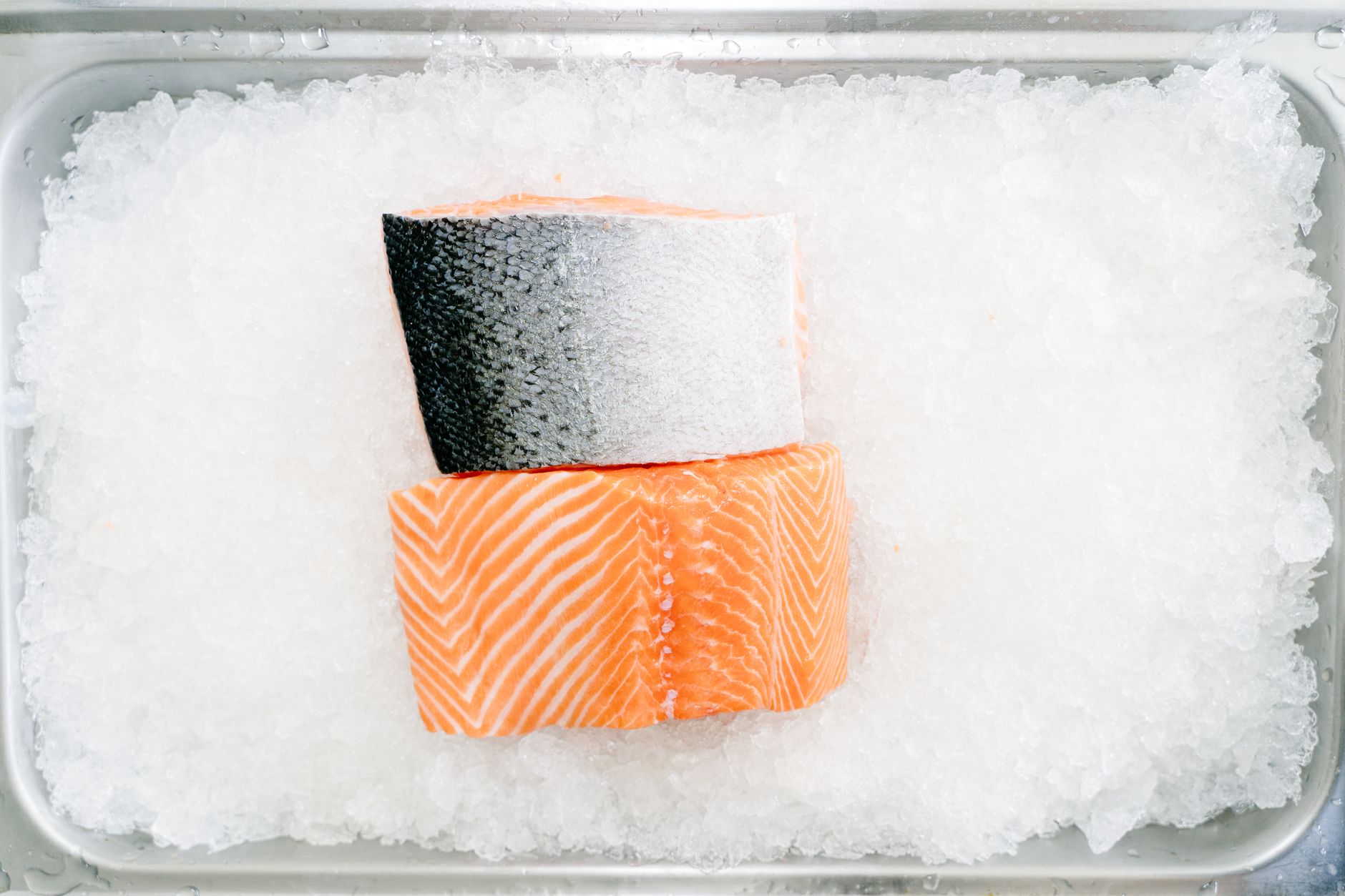
Salmon is an incredibly popular seafood choice known for its rich flavor and nutritional benefits. But if you’ve ever wondered, “Is salmon a fish?” the answer is a resounding yes. This article not only confirms its status as a fish but also delves into the various aspects of salmon, including its types, nutritional profile, cooking methods, and serving ideas.
From its culinary versatility to its health benefits, salmon has secured its place as a staple in many diets. Whether you’re grilling it, baking it, or incorporating it into salads, understanding this fish can enhance your meals and elevate your cooking skills.
Is Salmon a Fish?
Yes, salmon is indeed classified as a fish. It belongs to the family Salmonidae and is primarily found in the northern Atlantic and Pacific Oceans. Salmon species can be categorized into two groups: anadromous, which migrate between freshwater and saltwater, and landlocked. The most well-known species include Atlantic salmon and various Pacific salmon species like Chinook, Sockeye, and Coho.
Understanding the Salmon Species
There are five main species of Pacific salmon, each with its unique characteristics:
- Chinook Salmon: Also known as King salmon, it is the largest of the species and known for its high-fat content, making it rich and flavorful.
- Sockeye Salmon: Recognized for its vibrant red flesh and strong flavor, Sockeye is often preferred for grilling and smoking.
- Coho Salmon: Known as Silver salmon, Coho has a mild flavor and is often sought after for its delicate texture.
- Pink Salmon: The smallest species, Pink salmon has a lighter flavor and is commonly canned or used in salmon patties.
- Chum Salmon: Also called Dog salmon, it has a lower fat content and a milder, more subtle flavor often found in products like jerky and dog food.
Nutritional Profile of Salmon
Salmon is highly regarded not only for its flavor but also for its nutritional benefits. Here are some key nutrients found in a typical serving of salmon (approximately 3.5 ounces):
- Protein: Salmon is an excellent source of high-quality protein, essential for muscle repair and growth.
- Omega-3 Fatty Acids: It is rich in EPA and DHA, which are beneficial for heart and brain health.
- Vitamins: Salmon provides a good amount of B vitamins, particularly B12, which is crucial for energy production and nerve function.
- Minerals: Salmon is a source of selenium, potassium, and phosphorus, which are essential for various bodily functions.
Incorporating salmon into your diet can provide numerous health benefits, contributing to overall wellness and longevity.
Cooking Techniques for Salmon
Salmon is versatile and can be prepared using various cooking methods. Below are several popular techniques along with tips for each:
Grilling
Grilling is a favorite method for cooking salmon, especially in the summer. The direct heat provides a smoky flavor and crispy skin.
- Tip: Marinate or season the salmon before grilling for added flavor. Use a grill basket or foil to prevent sticking.
Baking
Baking salmon is a simple, hands-off cooking method. This technique helps retain moisture and flavor.
- Tip: Bake at 350°F (175°C) for about 12-15 minutes, depending on the thickness. Check for doneness by ensuring the flesh flakes easily.
Pan-Seering
Pan-searing gives salmon a crispy exterior and is great for achieving a perfectly cooked fillet.
- Tip: Heat oil in a skillet over medium-high heat. Cook skin side down first to achieve crispy skin, about 4-5 minutes.
Poaching
Poaching salmon is a gentle cooking method that helps retain moisture and flavor while reducing fat.
- Tip: Submerge salmon fillets in simmering broth or water for about 10-15 minutes until cooked through.
Flavor Pairings for Salmon
Salmon’s rich, buttery flavor pairs well with a wide variety of ingredients. Here are some ideas to elevate your salmon dishes:
- Citrus: Lemon, lime, and orange brighteners can complement salmon’s richness, enhancing its flavor profile.
- Herbs: Fresh herbs like dill, rosemary, and parsley work beautifully with salmon, adding brightness and aroma.
- Spices: Use spices such as smoked paprika, garlic, or black pepper to enhance flavor depth.
- Glazes and Sauces: Miso, teriyaki, or balsamic glaze can provide a sweet and savory contrast to the fish.
Serving Ideas for Salmon
Salmon can be served in various ways, making it a fantastic centerpiece for meals that cater to different tastes. Here are some serving ideas:
Salmon Salad
Flake cooked salmon over a bed of greens, add seasonal vegetables, and top with a citrus vinaigrette for a healthy meal.
Salmon Tacos
Use grilled or baked salmon in soft tortillas topped with cabbage slaw, avocado, and a zesty lime crema.
Salmon Pasta
Incorporate salmon into pasta dishes with cream sauce, lemon, and peas for a comforting yet elegant meal.
Salmon Bowl
Create a grain bowl with quinoa, steamed vegetables, sliced avocado, and seared salmon topped with a drizzle of tahini sauce.
Practical Tips for Buying and Storing Salmon
When selecting salmon, freshness is key. Here are some tips to consider:
Buying Fresh Salmon
- Look for: Clear, bright eyes and vibrant flesh without dull spots or discoloration.
- Smell: Fresh salmon should have a mild ocean-like smell. Avoid salmon with a strong fishy odor.
- Texture: Flesh should be firm and bounce back when pressed.
Storing Salmon
To ensure salmon remains fresh:
- Store fresh salmon in the coldest part of your refrigerator and use it within 1-2 days.
- If you need to freeze it, wrap it tightly in plastic wrap or aluminum foil and place it in an airtight container for up to two months.
Common Mistakes to Avoid When Cooking Salmon
Cooking salmon may seem straightforward, but a few common mistakes can lead to less-than-ideal results. Here are some to watch out for:
- Overcooking: Salmon cooks quickly; use a thermometer to ensure it reaches an internal temperature of 145°F (63°C).
- Insufficient seasoning: Salmon benefits from adequate seasoning, both before and after cooking, to enhance its natural flavor.
- Not allowing it to rest: Let your salmon rest for a few minutes after cooking to allow the juices to redistribute.
Conclusion
Salmon is undoubtedly a fish that offers numerous benefits, from its impressive nutritional profile to its culinary versatility. Understanding how to cook and pair it wisely can elevate your meals, making salmon a feel-good choice in any diet.
For more culinary inspiration, explore our guides on how to cook tilapia or learn how to tell if salmon is bad. Dive into a world of flavors and cooking techniques that will enhance your kitchen repertoire!