
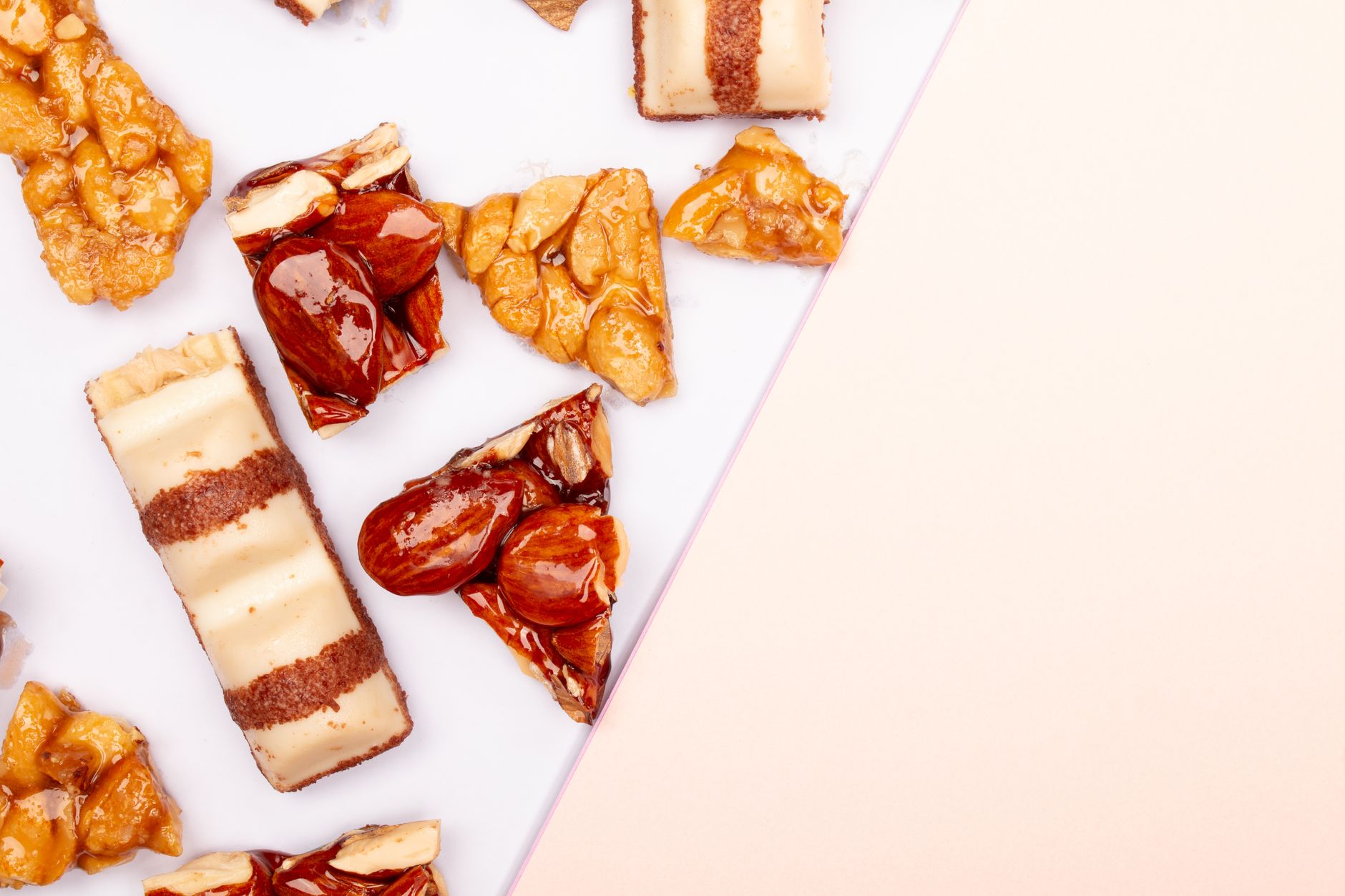
Nougat, a delightful confection found in various candy bars and desserts, raises an important question for those following a gluten-free diet: Is nougat gluten free? Understanding the ingredients typically used in nougat and how they may interact with gluten sensitivities is crucial for safe consumption.
This article explores the ingredients found in traditional nougat, potential sources of gluten, label reading tips, and considerations for cross-contact that can affect the safety of nougat consumption for those with gluten sensitivities.
Is Nougat Gluten Free?
Yes, traditional nougat is generally considered gluten free as it typically contains sugar, egg whites, and nuts, none of which contain gluten. However, it is essential to check labels carefully, as gluten can be introduced through additives or cross-contact during manufacturing.
What is Nougat?
Nougat is a sweet treat known for its chewy texture and is often found in candy bars, desserts, and as a standalone confection. It is made primarily from sugar, honey, and nuts, whipped egg whites, and sometimes additional flavorings or fillings. There are two main types of nougat: white nougat, which incorporates whipped egg whites, and brown nougat, made with caramelized sugar and sometimes contains chocolate.
Common Ingredients in Nougat
To determine whether nougat is gluten free, let’s break down the common ingredients used in its production.
- Sugar: The primary sweetening agent in nougat; it is naturally gluten free.
- Egg Whites: These provide structure and texture, and they do not contain gluten.
- Nuts: Often included for flavor and crunch (e.g., almonds, hazelnuts). Whole nuts are gluten free, but check for cross-contact with gluten during processing.
- Honey: A natural sweetener that is also gluten free.
- Flavorings: Natural and artificial flavorings may be added. Always verify these ingredients to ensure they are gluten free.
- Additives: Some nougat recipes include stabilizers or preservatives which could contain gluten. It’s wise to check labels for these additives.
Potential Sources of Gluten in Nougat
While the basic ingredients of nougat are typically gluten free, there are some potential sources of gluten to be aware of:
- Manufacturing Cross-Contact: Nougat may be processed in facilities that also handle gluten-containing products, leading to cross-contact.
- Brand-Specific Ingredients: Certain brands may use gluten-containing ingredients or additives. Always verify the specific product in question.
- Flavored Varieties: Nougat bars that include other components—like cookie crumbles or chocolate—including gluten-containing items can lead to concerns.
Reading Labels: What to Look For
Understanding how to read ingredient labels is vital for those seeking gluten-free products. When examining nougat’s labels, keep the following tips in mind:
- Check the Ingredients List: Look for the common ingredients mentioned above. If any unfamiliar terms or additives are present, research them.
- Look for Gluten-Free Certifications: Some manufacturers label their products as gluten free, which offers additional assurance.
- Contact the Manufacturer: If uncertain about a product, don’t hesitate to reach out to the company for clarification regarding gluten content.
- Beware of Vague Terms: Phrases like “may contain” or “produced in a facility that processes wheat” can indicate a risk of cross-contact.
Cross-Contact Considerations
Cross-contact is a significant concern for individuals who need to avoid gluten. Here are steps to mitigate the risk:
- Choose Certified Gluten-Free Brands: Opt for brands that specifically cater to gluten-free consumers.
- Check for Store Policies: Some stores have strict guidelines about gluten-free products, reducing the risk of cross-contact.
- Make Your Own Nougat: Making nougat at home allows complete control over ingredients and reduces the likelihood of gluten contamination.
How to Make Gluten-Free Nougat at Home
Creating your own nougat can ensure you avoid gluten altogether and allows for creativity with flavors and add-ins. Below is a simple recipe for making gluten-free nougat:
Ingredients
- 1 cup granulated sugar
- 1/2 cup light corn syrup
- 1/4 cup water
- 2 egg whites
- 1 cup chopped nuts (such as almonds or hazelnuts)
- 1 teaspoon vanilla extract
- Optional: powdered sugar for dusting
Essential Equipment
- Heavy-bottomed saucepan
- Candy thermometer
- Whisk or electric mixer
- Baking pan, lined with parchment paper
- Spatula
Instructions
- Prepare the baking pan by lining it with parchment paper. Lightly grease the parchment to prevent sticking.
- In a saucepan, combine the sugar, corn syrup, and water. Cook over medium heat, stirring until the sugar dissolves.
- Continue to cook without stirring until the mixture reaches 240°F (soft ball stage) on a candy thermometer.
- While the sugar mixture is cooking, beat the egg whites until stiff peaks form.
- Once the sugar mixture is at the right temperature, carefully pour it into the whipped egg whites while mixing on low speed.
- Add the vanilla extract and nuts; mix until well combined. The mixture will thicken as it cools.
- Transfer the nougat mixture into the prepared baking pan and smooth the top with a spatula.
- Let it cool completely (at least 4 hours or overnight) before cutting into squares or bars.
- Dust with powdered sugar if desired to prevent sticking.
Storage and Shelf Life
Homemade nougat can be stored in an airtight container at room temperature for up to two weeks. If stored longer, freeze for best quality.
Common Mistakes in Nougat Preparation
Making nougat can be straightforward if you avoid certain pitfalls:
- Not monitoring temperature: The success of nougat greatly depends on the sugar mixture reaching the proper temperature.
- Skipping whipped egg whites: These provide texture; under-whipping may result in a denser nougat.
- Using stale nuts: Fresh nuts add flavor and crispness; stale nuts may detract from the overall experience.
Variations of Nougat
Nougat can be customized in numerous ways. Here are some suggestions for variations:
- Flavorings: Experiment with different extracts, such as almond or orange.
- Add Dried Fruits: Incorporate dried fruits like cranberries or raisins for added flavor and chewiness.
- Chocolate Coating: Dip pieces in melted chocolate before cooling for a decadent treat.
Conclusion
Nougat can be a delicious gluten-free treat if you carefully examine ingredients and potential cross-contact risks. Whether you purchase pre-made nougat or try your hand at making it at home, understanding how to navigate gluten-free diets ensures a safe and enjoyable experience. As you explore nougat, consider trying other gluten-free recipes like gluten-free gnocchi or check if basmati rice is gluten free for your next meal.