
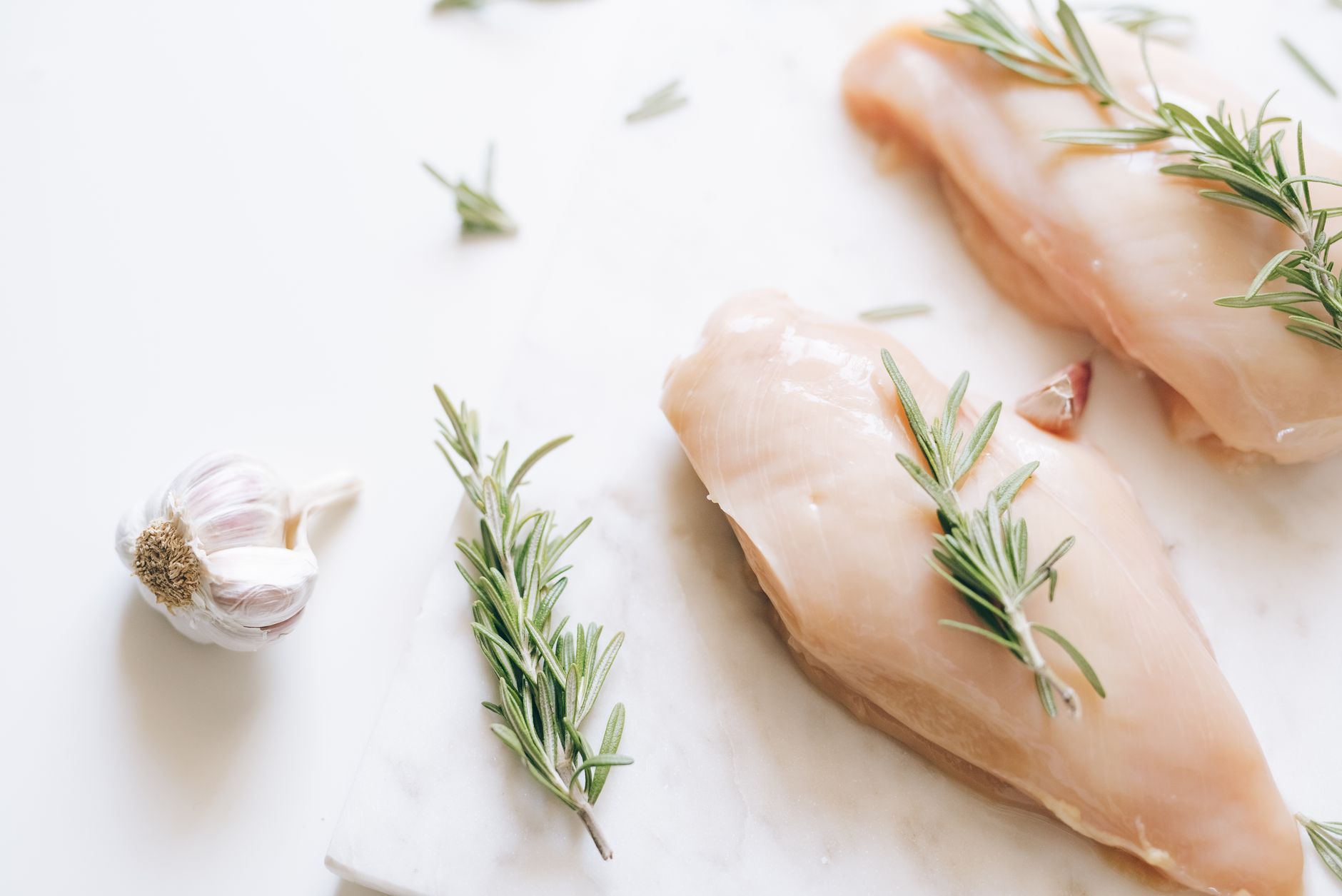
Understanding salmonella and its relationship with chicken is essential for safe cooking and food handling. Many people wonder if all chicken carries this harmful bacteria, as it has been a significant food safety concern. This article aims to demystify salmonella in chicken, discuss the risks, and offer practical tips to minimize contamination.
While not all chicken contains salmonella, it is crucial to recognize that it can be present. The bacteria are commonly found in the intestinal tracts of birds, which can contaminate meat during processing. Therefore, proper handling and cooking methods are vital in ensuring safety.
Does All Chicken Have Salmonella?
No, not all chicken carries salmonella, but it is a real risk associated with poultry. Research indicates that a percentage of raw chicken sold in stores may be contaminated. The contamination can occur at various stages, including during farming, processing, or even at home due to improper handling. It is therefore advisable to adopt strict food safety practices.
What is Salmonella?
Salmonella is a type of bacteria that can lead to food poisoning, known as salmonellosis, when ingested. Symptoms include diarrhea, fever, abdominal cramps, and vomiting, typically appearing six hours to six days after exposure. In severe cases, the infection can lead to hospitalization, particularly in vulnerable populations such as older adults, infants, and those with weakened immune systems.
How Does Chicken Become Contaminated?
Understanding how chicken becomes contaminated with salmonella is key to prevention. The bacteria can originate from several sources:
- Farm Environment: Salmonella can reside in the intestines of healthy chickens, primarily due to their environment and feed. If they come into contact with feces, the bacteria can be transferred to their feathers and skin.
- Processing: During slaughter and processing, cross-contamination can occur. Equipment and surfaces that come into contact with contaminated chickens can spread salmonella to otherwise clean products.
- Cooking Practices: At home, improper cooking and handling can introduce or amplify contamination. Using the same cutting board for raw chicken and other food items without washing it can lead to cross-contamination.
How to Minimize the Risk of Salmonella in Chicken
While it’s not possible to eliminate the risk entirely, there are effective ways to minimize it. Following these guidelines can help ensure safe preparation and consumption of chicken:
1. Purchase Safe Chicken
Choose chicken from reputable sources. Here are some tips:
- Look for certification labels, as they indicate adherence to food safety standards.
- Check packaging for tears or leaks, as these can signify contamination risk.
- Buy chicken from stores that maintain proper refrigeration.
2. Proper Storage
Storing chicken correctly is paramount. Follow these rules:
- Keep chicken refrigerated at temperatures below 40°F (4°C). For longer storage, freeze it at 0°F (-18°C).
- Use raw chicken within 1-2 days if refrigerated, or freeze it for future use.
- Thaw frozen chicken safely by placing it in the refrigerator or using cold water, never at room temperature.
3. Safe Preparation Techniques
When preparing chicken, following safe practices can reduce the risk of contamination:
- Always wash hands with soap and water before and after handling raw chicken.
- Separate raw chicken from other foods to avoid cross-contamination. Use separate cutting boards and utensils for raw meat.
- Clean all surfaces and utensils that have come into contact with raw chicken thoroughly with hot, soapy water.
- Consider using a disinfectant solution to wipe surfaces after preparing raw chicken.
4. Proper Cooking
Cooking chicken to the right temperature is one of the most effective ways to kill salmonella bacteria:
- Cook chicken breast to an internal temperature of 165°F (74°C). Use a food thermometer for accuracy.
- Check the thickest part of the meat, as this is where undercooking is most likely to occur.
- Let cooked chicken rest for a few minutes before serving, which allows the juices to redistribute.
Recognizing Spoiled Chicken
Beyond salmonella risks, it’s essential to know when chicken has gone bad. Here’s what to look for:
- Smell: Fresh chicken should not have a strong odor. If it smells sour or off, discard it.
- Color: Fresh chicken should have a pink hue. Darkening or grayish tones can indicate spoilage.
- Texture: Chicken should feel moist but not slimy. A slimy texture can indicate bacterial growth.
FAQs About Chicken and Salmonella
Can salmonella be present in cooked chicken?
Salmonella cannot survive at cooking temperatures. As long as chicken is cooked to an internal temperature of 165°F (74°C), it is safe to eat.
What should I do if I experience symptoms after eating chicken?
If you suspect salmonella food poisoning, stay hydrated and consider contacting a healthcare professional, especially if symptoms are severe or last more than a few days.
How can I tell if chicken is safe to eat without cooking it?
It is impossible to determine if chicken is safe to eat without cooking it. Always rely on safe cooking methods and practices to ensure that any potential bacteria are eliminated.
Conclusion
Salmonella is a real concern when it comes to chicken, but knowing how to handle and cook chicken safely can significantly reduce your risk. Always prioritize safe practices in the kitchen and be vigilant about checking your chicken for signs of spoilage. By taking these precautions, you can enjoy delicious chicken dishes while minimizing the health risks associated with salmonella.
To learn more about recognizing bad chicken, explore How to Know if Chicken is Bad. Additionally, if you’re curious about the safety of your other favorite proteins, check out How to Tell if Salmon is Bad.