
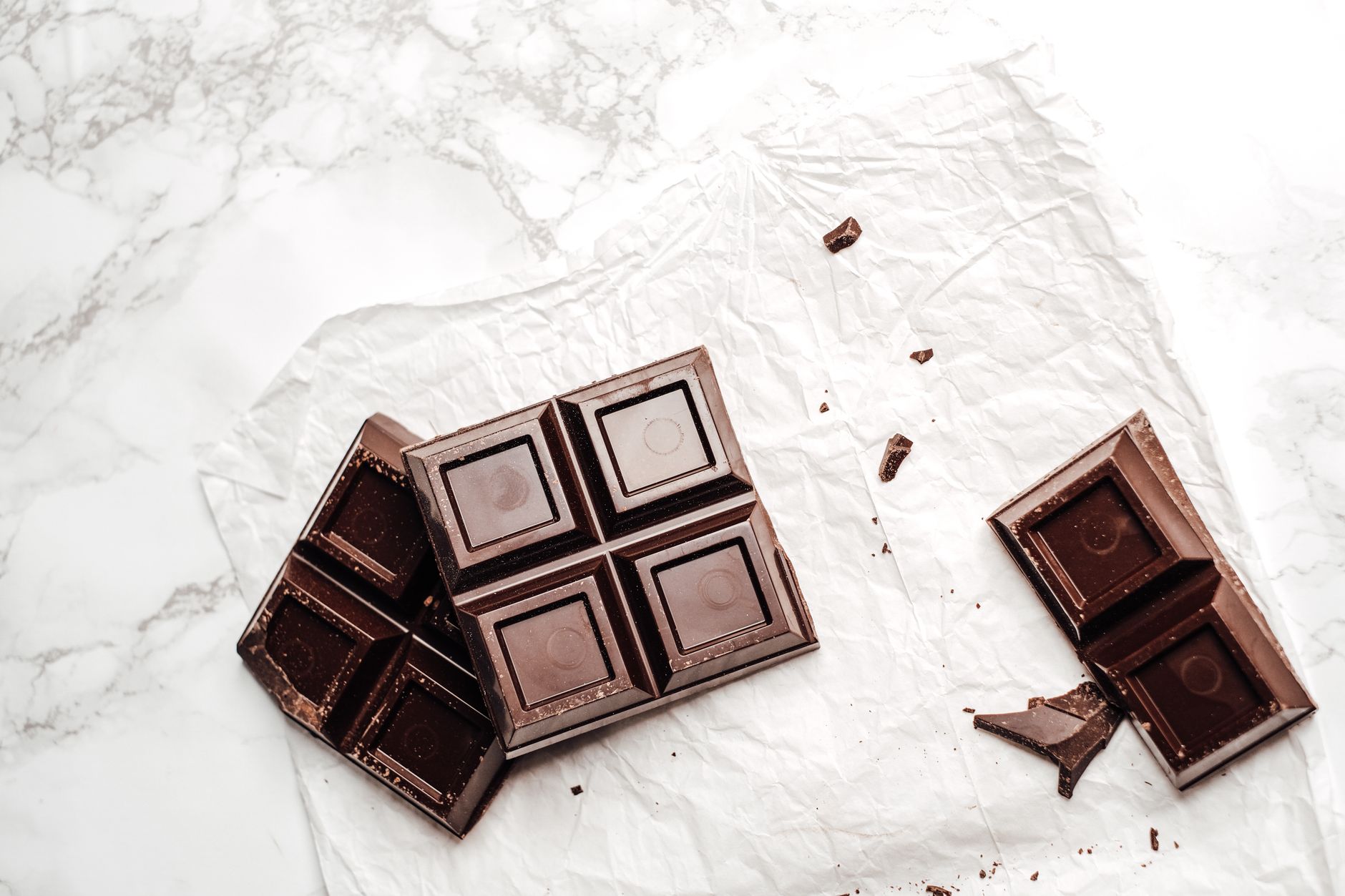
Dark chocolate, often celebrated for its rich flavors and associated health benefits, can be a delightful addition to a healthy diet. But not all dark chocolate is created equal. Understanding what makes dark chocolate healthy involves exploring its cocoa content, the quality of ingredients, and recommended portion sizes.
This article will delve into the characteristics of healthy dark chocolate, offer practical insights on selecting the best products, and suggest ways to incorporate it into your diet effectively. We’ll help you navigate the world of dark chocolate and enjoy its pleasures while reaping its potential health benefits.
What Dark Chocolate Is Healthy?
Healthy dark chocolate typically contains at least 70% cocoa solids, which provides the maximum amount of beneficial compounds like flavonoids. These compounds are linked to various health benefits, including improved heart health and reduced inflammation. Look for products that have minimal added sugars and are free from artificial ingredients.
Understanding Cocoa Content
The cocoa percentage in dark chocolate is crucial to its health value. Higher cocoa content generally translates to more health benefits. Here’s a closer look:
- 70% Cocoa or Higher: These chocolates are rich in antioxidants and beneficial nutrients. They tend to have a more robust flavor and less sugar.
- Below 70% Cocoa: Chocolates with lower cocoa percentages may contain more sugar and fewer health benefits.
- 100% Cocoa: Unsweetened cocoa can be a great option for cooking and baking but may be too bitter for casual snacking.
Choosing Quality Dark Chocolate
When selecting dark chocolate, consider the following factors for better health benefits:
- Ingredients: Look for chocolate that lists cocoa mass, cocoa butter, and sugar. Avoid products with artificial flavors, preservatives, or any hydrogenated oils.
- Source: The origin of the cocoa can affect its flavor and health benefits. Single-origin chocolates tend to have distinct flavors and can be more satisfying.
- Organic and Fair Trade: Choosing organic chocolate can ensure that you are consuming a product free from pesticides. Fair Trade options support ethical farming practices.
Health Benefits of Dark Chocolate
While dark chocolate should be consumed in moderation, it does boast several key health benefits when included in a balanced diet:
- Rich in Antioxidants: Dark chocolate contains flavonoids, which have been shown to improve blood flow, reduce inflammation, and lower blood pressure.
- Heart Health: Regular consumption of dark chocolate may reduce the risk of heart disease by improving circulation and reducing cholesterol levels.
- Improved Brain Function: Some studies suggest that the flavonoids in dark chocolate may enhance cognitive function and memory.
- Blood Sugar Regulation: The low glycemic index of dark chocolate can help regulate insulin levels and reduce the risk of type 2 diabetes when eaten in moderation.
Portion Control: How Much Dark Chocolate Should You Eat?
To reap the health benefits of dark chocolate while avoiding excessive calorie intake, portion control is essential:
- Recommended Serving: A general guideline is to consume about 1 ounce (28 grams) of dark chocolate daily.
- Mind the Calories: Dark chocolate is calorie-dense, so be mindful of how it fits into your overall nutritional goals.
Incorporating Healthy Dark Chocolate into Your Diet
Here are practical ways to enjoy dark chocolate while maintaining its health benefits:
As a Snack
Enjoy dark chocolate as a satisfying snack. Pair a small piece with almonds or walnuts for a balanced treat that provides good fats alongside the cocoa’s benefits.
In Smoothies
Add cocoa powder or a square of dark chocolate to your morning smoothies for an antioxidant boost. Blend with fruits, spinach, and a source of protein for a nutritious breakfast.
Baking
Use dark chocolate in baking recipes. Opt for it in brownies, cakes, or cookies, adjusting the sugar content accordingly to make a healthier dessert. Consider unsweetened cocoa powder as a lower-sugar alternative.
Storing Dark Chocolate
Proper storage ensures the longevity and quality of dark chocolate:
- Keep it Cool: Store dark chocolate in a cool, dry place away from direct sunlight to avoid melting or discoloration.
- Avoid Refrigeration: Although refrigeration is not recommended, if your climate is too warm, wrap the chocolate tightly to prevent it from absorbing moisture and odors.
Common Mistakes When Choosing Dark Chocolate
Here are some pitfalls to avoid when selecting dark chocolate:
- Focusing Solely on Cocoa Percentage: While higher cocoa content is generally better, also consider the quality of other ingredients.
- Ignoring Added Sugars: Read labels carefully. Many chocolates labeled as dark may still contain high amounts of sugar.
- Choosing Fake Chocolate: Be aware of products labeled as “chocolate-flavored” instead of “chocolate.” These often contain unhealthy additives.
Popular Healthy Dark Chocolate Brands
When shopping for dark chocolate, some brands are known for their quality and health-conscious products:
- Lindt Excellence: Offers a range of high-percentage cocoa bars with minimal added sugar.
- Green & Black’s: A brand offering organic dark chocolate from fair trade sources.
- Alter Eco: Known for its sustainably sourced chocolate with a commitment to ethical practices.
- Hu Chocolate: Focuses on simple, organic ingredients and no added sugars.
Recipes Featuring Healthy Dark Chocolate
Incorporating dark chocolate into your cooking is easy. Here are a couple of delightful ideas:
Dark Chocolate Chia Pudding
A creamy, indulgent dessert rich in omega-3 fatty acids and antioxidants.
Ingredients:
- 1/4 cup chia seeds
- 1 cup almond milk (or milk of choice)
- 2 tablespoons cocoa powder
- 2 tablespoons maple syrup (or to taste)
- 1 teaspoon vanilla extract
- Pinch of salt
Instructions:
- In a medium bowl, whisk together almond milk, cocoa powder, maple syrup, vanilla extract, and salt until smooth.
- Add chia seeds and stir to combine. Let sit for 5 minutes, then stir again to prevent clumping.
- Cover and refrigerate for at least 2 hours or overnight.
- Serve topped with your choice of fruits, nuts, or additional dark chocolate shavings.
Mexican Hot Chocolate
A cozy drink with the richness of dark chocolate, perfect for chilly evenings.
Ingredients:
- 2 cups milk (or dairy-free alternative)
- 2 tablespoons cocoa powder
- 2 tablespoons sugar (or to taste)
- 1/4 teaspoon cinnamon
- 1/4 teaspoon cayenne pepper (optional, for heat)
- 2 ounces dark chocolate, chopped
Instructions:
- In a saucepan, combine milk, cocoa powder, sugar, cinnamon, and cayenne pepper. Heat over medium heat, whisking until combined.
- Add the chopped dark chocolate and stir until melted and smooth.
- Serve warm, topped with whipped cream or marshmallows if desired.
Conclusion
Dark chocolate can be a healthy indulgence when chosen wisely and consumed in moderation. Opt for high cocoa content versions, be mindful of added sugars, and consider ethical options when shopping. Try incorporating these delectable recipes into your diet for a delightful treat that also provides health benefits.
Explore more delicious recipes and tips to incorporate superfoods into your meals, such as a chia pudding recipe with coconut milk or enjoying a spiced Mexican hot chocolate to savor the benefits of healthy dark chocolate.