
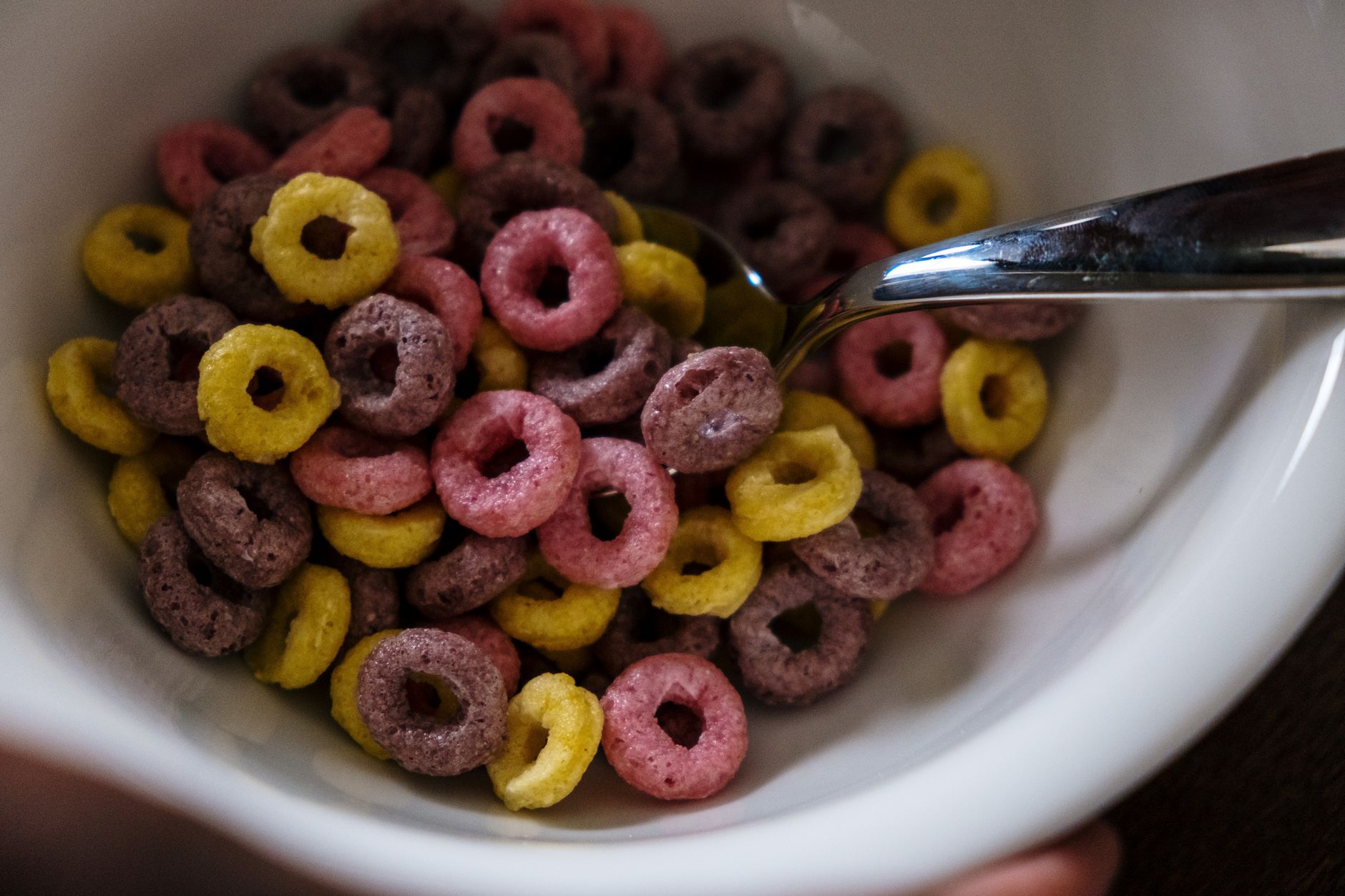
Cereal is a popular staple breakfast food enjoyed by many for its convenience and versatility. But understanding the food group that cereal belongs to is essential for meal planning and dietary considerations. This article explores the classification of cereals, their nutritional value, and how to incorporate them into your meals effectively.
In this detailed guide, we will outline what food group cereal falls under, its benefits, types of cereals, and how you can use them in various recipes and meal preparations. Let’s dive into the world of cereal and its culinary applications.
What Food Group Is Cereal In?
Cereal primarily belongs to the grains food group. Grains are classified into two categories: whole grains and refined grains. Whole grains contain the entire kernel, including the bran, germ, and endosperm, whereas refined grains have been processed to remove the bran and germ, leaving mostly the endosperm. This processing often strips away valuable nutrients and fiber.
Common examples of cereals include oats, wheat, corn, rice, and barley. They are often ground into flour or used in their whole form. Breakfast cereals, made from these grains, may also contain added sugars, fats, and other flavorings.
Nutritional Value of Cereal
Cereals are a major source of carbohydrates, which provide energy. They also contain various vitamins and minerals. Here’s a breakdown of the nutrients typically found in whole and refined cereals:
Whole Grains
- Fiber: Promotes digestive health and satiety.
- Protein: Essential for muscle repair and growth.
- B Vitamins: Important for energy production and nervous system function.
- Iron: Vital for transporting oxygen in the blood.
- Magnesium: Supports muscle and nerve function.
Refined Grains
- Lower in fiber compared to whole grains.
- Often fortified with iron and B vitamins, but may lack other nutrients.
- Higher in calories with added sugars and fats.
Types of Cereal
Cereals can be categorized into several types based on their preparation and ingredients. Understanding these types helps in choosing the right cereal for your dietary needs.
1. Hot Cereals
Hot cereals, like oatmeal, grits, and cream of wheat, are typically made from whole grains and served warm. They can be customized with various toppings, such as fruits, nuts, or honey.
2. Cold Cereals
Cold cereals consist of ready-to-eat options that may be crunchy or flaked. Common varieties include corn flakes, rice puffs, and granola. While convenient, they can vary significantly in sugar content, so always check labels.
3. Instant Cereals
Instant cereals are processed for quick preparation and usually require only hot water. While they offer convenience, they may contain added sugars and preservatives. Please read ingredient lists before purchasing.
4. Granola and Muesli
Granola is a mixture of oats, nuts, and sweeteners, often baked for crunch. Muesli is an uncooked blend of rolled oats, fruits, nuts, and seeds, typically enjoyed with yogurt or milk.
Common Uses of Cereal in the Kitchen
Cereal is incredibly versatile and can be used in various culinary preparations beyond breakfast. Here are some main uses:
Breakfast
Cereals are commonly enjoyed as a quick breakfast option. Try pairing them with milk or yogurt and adding fruit and nuts for a balanced meal. Here are some breakfast ideas:
- Oatmeal topped with berries and honey.
- Granola served with Greek yogurt and sliced bananas.
- Cornflakes with almond milk and sprinkled cinnamon.
Baking
Cereal can be a delightful addition to baked goods. Here are some ways to incorporate cereal into baking:
- Adding crushed cereal to bread or muffin batter for added texture.
- Using granola as a topping for fruit crisps or yogurt parfaits.
- Incorporating cereal into cookies for added crunch.
Snacks
Cereal can serve as a nutritious snack option. Consider these creative ideas:
- Mixing cereal with dried fruits and nuts for a homemade trail mix.
- Creating cereal bars that are both healthy and filling.
- Flavoring plain cereal with spices or honey for a sweet treat.
Tips for Choosing Healthy Cereals
With so many options on the market, selecting a nutritious cereal can be daunting. Follow these tips to make informed choices:
- Look for whole grains as the first ingredient listed on the label.
- Aim for cereals with at least 3 grams of fiber per serving.
- Verify the sugar content; choose options with less than 10 grams of sugar per serving.
- Check for additives and artificial ingredients; opt for simpler, more natural products.
Substitutions and Variations
Cereal can be adjusted to fit different dietary preferences and restrictions. Here are some substitutions and variations to consider:
Gluten-Free Options
- Use gluten-free oats for oatmeal or baking.
- Choose rice or corn-based cereals instead of wheat-based options.
Low-Sugar Alternatives
- Opt for unsweetened versions of granola or muesli.
- Control sweetness by adding fresh fruit instead of processed sugars.
High-Protein Options
- Incorporate protein powder into hot cereals.
- Choose cereals made with nuts, seeds, or legumes for a protein boost.
Common Mistakes When Using Cereal
While cereals can be nutritious, common pitfalls may undermine their health benefits. Here are some mistakes to avoid:
- Choosing sugary cereals without checking nutrition labels.
- Neglecting portion sizes; always measure servings to avoid overeating.
- Relying solely on cereals for nutrition; diversify your diet with fruits, vegetables, and proteins.
Meal Planning with Cereal
To effectively incorporate cereal into your meals, consider these meal-planning tips:
Plan Breakfasts
Include a variety of cereal options in your weekly breakfast plan, allowing for different flavors and textures throughout the week.
Mix and Match
Combine cereals with other food groups to create balanced meals and snacks. For instance, pair cereal with yogurt for breakfast or mix with nuts for a midday snack.
Batch Cooking
Consider making larger portions of hot cereals, like oatmeal, to enjoy throughout the week. Store portions in the refrigerator for easy reheating.
Storage Guidelines for Cereal
Proper storage extends the shelf life of your cereals and maintains their quality. Follow these tips:
- Store cereal in an airtight container to keep out moisture and pests.
- Keep cereal in a cool, dry place away from direct sunlight.
- Check expiration dates and consume within a reasonable timeframe to ensure freshness.
Creative Cereal Recipes
Now that you have a solid understanding of cereals and their uses, consider trying out some delicious recipes that feature them prominently.
Oatmeal Breakfast Bowl
A hearty warm bowl of oatmeal is a perfect breakfast to start your day. This recipe is straightforward and customizable.
- Yield: 2 servings
- Preparation Time: 5 minutes
- Cooking Time: 10 minutes
- Total Time: 15 minutes
Ingredients
- 1 cup rolled oats
- 2 cups water or milk
- 1 tablespoon honey or maple syrup (optional)
- Fresh fruits (bananas, berries, or apples) for topping
- Nuts (almonds, walnuts, or pecans) for crunch
Method
- In a medium saucepan, bring water or milk to a boil over medium heat.
- Add the oats and reduce heat; simmer for approximately 5-7 minutes, stirring occasionally, until the oats are cooked and have absorbed the liquid.
- Remove from heat, and stir in honey or maple syrup if desired.
- Serve in bowls and top with fresh fruits and nuts.
Granola Bars
These homemade granola bars are a great snack option and can be customized with your favorite ingredients.
- Yield: 12 bars
- Preparation Time: 15 minutes
- Cooking Time: 25 minutes
- Total Time: 40 minutes
Ingredients
- 2 cups rolled oats
- 1/2 cup honey or agave syrup
- 1/2 cup almond butter or peanut butter
- 1/2 cup chopped nuts (almonds, walnuts, or pecans)
- 1/2 cup dried fruit (raisins, cranberries, or apricots)
- 1/2 teaspoon vanilla extract
Method
- Preheat your oven to 350°F (175°C) and line a baking dish with parchment paper.
- In a large mixing bowl, combine rolled oats, nuts, and dried fruit.
- In a small saucepan, gently warm the honey and nut butter until melted, then stir in vanilla extract.
- Pour the warm mixture over the oats and mix until well combined.
- Spread the mixture evenly in the prepared baking dish.
- Bake for 20-25 minutes until golden brown, then remove from the oven and let cool before cutting into bars.
Cereals provide a convenient and nutritious base for many meals and snacks. By choosing the right types, understanding their nutritional values, and exploring different culinary applications, you can elevate your meals while ensuring balanced nutrition. Incorporate cereals into your daily routine to make meal planning easier and to enjoy a diversity of flavors and textures.
Explore more recipes and tips on breakfast options, such as chia pudding or homemade protein granola, to further enrich your morning routine and beyond. Happy cooking!
For more creative recipes, check out our chia pudding recipe or try our protein granola recipe.