
Mangos are a beloved tropical fruit that can add a burst of sweetness and flavor to a variety of dishes. However, determining when a mango is ripe can sometimes be challenging. Knowing how to identify the ripeness of a mango can help ensure that you enjoy the fruit at its best, whether eating fresh, adding to smoothies, or using in a savory dish.
This guide will explore the various ways to determine if a mango is ripe, the characteristics of a ripe mango, and tips for storing and using this delicious fruit. By the end, you’ll have all the knowledge you need to select the perfect mango.
How Do You Know When Mangos Are Ripe?
A ripe mango typically has a pleasing aroma, gives slightly when pressed, and boasts vibrant coloration. Observing these characteristics can guide you in selecting fruit that is sweet and ready to eat.
Characteristics of a Ripe Mango
When determining the ripeness of a mango, there are several key features to consider:
Color
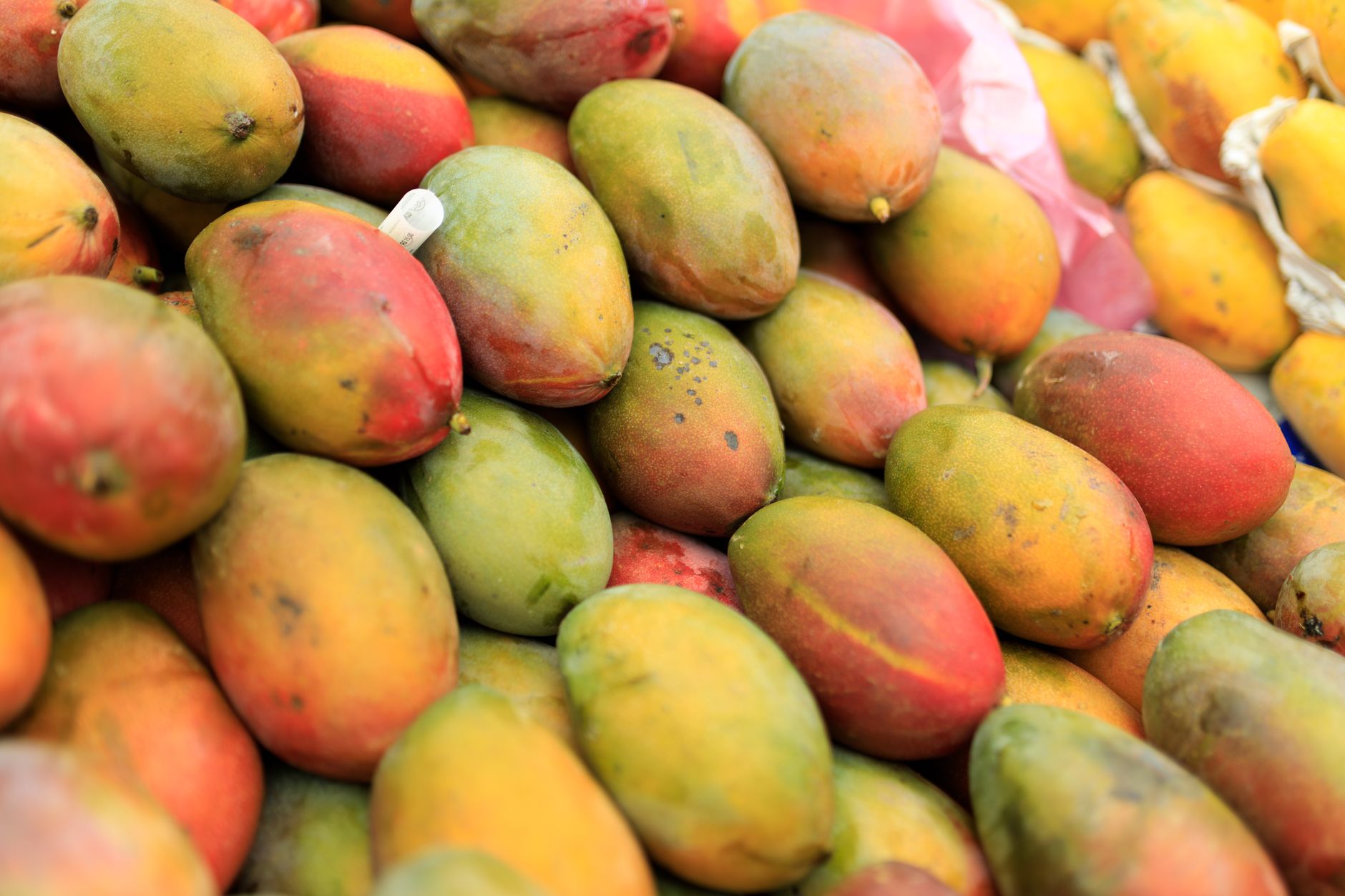
The color of a mango can vary significantly depending on its variety. Generally, a ripe mango will exhibit a vibrant and even coloration. For most mango types, look for a rich, yellow or orange hue. If you see a mix of green and any other color, this may suggest the mango is not fully ripe.
Texture
When gently pressed, a ripe mango will yield slightly to pressure. If it feels hard, it is likely unripe. If it is overly soft or squishy, it may be overripe. A pleasant balance is key here.
Aroma
The fragrance of a mango is often a telltale sign of ripeness. A ripe mango should emit a sweet, floral aroma near the stem end. If there is no scent, it may not be ready; conversely, a sour or off-putting smell may indicate overripeness.
Shape and Size
While shape can vary between mango varieties, a ripe mango is generally plump and round. Avoid any mangoes that appear flat or shriveled. Additionally, mangoes can vary in size, so consider the type when assessing ripeness; larger varieties may take longer to ripen.
Blemishes and Skin Condition
Examine the skin for dark spots or blemishes. A few minor blemishes can be normal, but excessive darkening or wrinkling may suggest overripeness. In general, avoid mangoes with significant bruises or signs of mold, as these indicate spoilage.
How to Choose the Right Mango
Selecting a mango from the store or market can feel overwhelming, especially with so many varieties available. To simplify this process, consider the following tips:
Know the Variety
Different mango varieties ripen at different rates and have varying colors when ripe. The most common varieties include:
- Haden: Medium to large size with red and green skin; sweet and fibrous when ripe.
- Tommy Atkins: Large size, usually red-green skin; often has a firm texture and mild flavor when ripe.
- Palmer: Long and oval-shaped with a purple and green skin; smooth flesh that is juicy when ripe.
- Keitt: Green even when ripe, soft and sweet flavor; usually larger in size.
Seasonality
Mangoes are typically in season in the warmer months, depending on the region. In the United States, mango season usually runs from late spring through the summer. Knowing the season can help you find fresher, riper fruit.
Buy Firm and Ripen at Home
If you find mangoes that are not yet ripe, consider purchasing firm mangoes that will continue to ripen at home. Store them at room temperature in a single layer, and check daily for ripeness symptoms.
Ripening Techniques
If you’ve purchased mangoes that are still firm and you want them to ripen faster, there are techniques you can employ:
Paper Bag Method
Placing mangoes in a paper bag can help accelerate the ripening process. The bag traps ethylene gas, which is released by the fruit, enhancing the ripening speed. To use this method:
- Place one or two mangoes in a brown paper bag.
- Fold the top of the bag to close it loosely.
- Check the mangoes daily for ripeness. Once ripe, remove them to prevent overripening.
Using Rice or Flour
Another method is to bury the mangoes in uncooked rice or flour. Similar to the paper bag method, this allows for ethylene gas trapping. To use this method:
- Place rice or flour in a bowl or container.
- Submerge the mangoes lightly in the rice or flour.
- Check the mangoes every day until they reach the desired ripeness.
Room Temperature vs. Refrigeration
Ripening should be done at room temperature. Avoid refrigerating unripe mangoes, as cold temperatures can halt the ripening process. Once ripe, it’s best to store mangoes in the refrigerator to prolong their freshness.
Using Ripe Mangos
Once you have a ripe mango, there are numerous ways to enjoy this delicious fruit:
Eating Fresh
The simplest and most popular way to enjoy ripe mangoes is to eat them fresh. To prepare fresh mango:
- Rinse the mango under cool water.
- Cut off the stem end and peel the skin with a vegetable peeler or knife.
- Slice the flesh off the pit, either in wedges or cubes, as desired.
In Smoothies and Juices
Mangoes blend easily into smoothies and juices. Combine ripe mango with yogurt or milk, and add other fruits like bananas or berries for a refreshing drink.
In Salads and Salsas
Mango can be a great addition to salsa or salads. Combine diced mangoes with lime juice, red onion, jalapeño, and cilantro for a vibrant salsa perfect for chips or tacos.
Common Mistakes When Selecting Mangos
Identifying a ripe mango can be tricky, and there are common pitfalls to avoid:
- Ignoring the Aroma: Don’t underestimate the power of smell. If the mango has no aroma, it’s likely unripe.
- Choosing Overly Soft Peaches: A soft mango can indicate overripeness. Ensuring a slight give is crucial.
- Prioritizing Color Alone: Just because a mango is brightly colored doesn’t mean it’s ripe. Always consider other factors like texture and aroma.
Storage and Shelf Life
Understanding how to store ripe mangoes correctly is crucial for prolonging freshness. Here is a guide to help you:
Storing Ripe Mangoes
- Mangoes are best stored in the refrigerator after ripening to maintain their texture and flavor.
- If you have cut mango, store it in an airtight container in the fridge and consume it within two to three days.
Freezing Mangoes
If you have an abundance of ripe mangoes, consider freezing them for future use:
- Peel and slice the mango.
- Spread the mango slices on a baking sheet and freeze until solid.
- Transfer the frozen mango to a freezer-safe container or zip-top bag. Remove as much air as possible before sealing.
- Frozen mango can last up to six months.
Conclusion
Identifying when mangos are ripe is essential for enjoying their delicious flavor and texture. By noting color, texture, aroma, and overall appearance, you can select mangoes that are perfect for eating or cooking. Remember that ripening can take place at home, and proper storage ensures you enjoy ripe mangoes for longer. Now that you’re equipped with this knowledge, head out and choose the freshest mangoes for your next culinary adventure!
Explore more about what a ripe mango looks like at this guide, or discover a fantastic Mango Sago recipe to make the most of your ripe mangoes.