
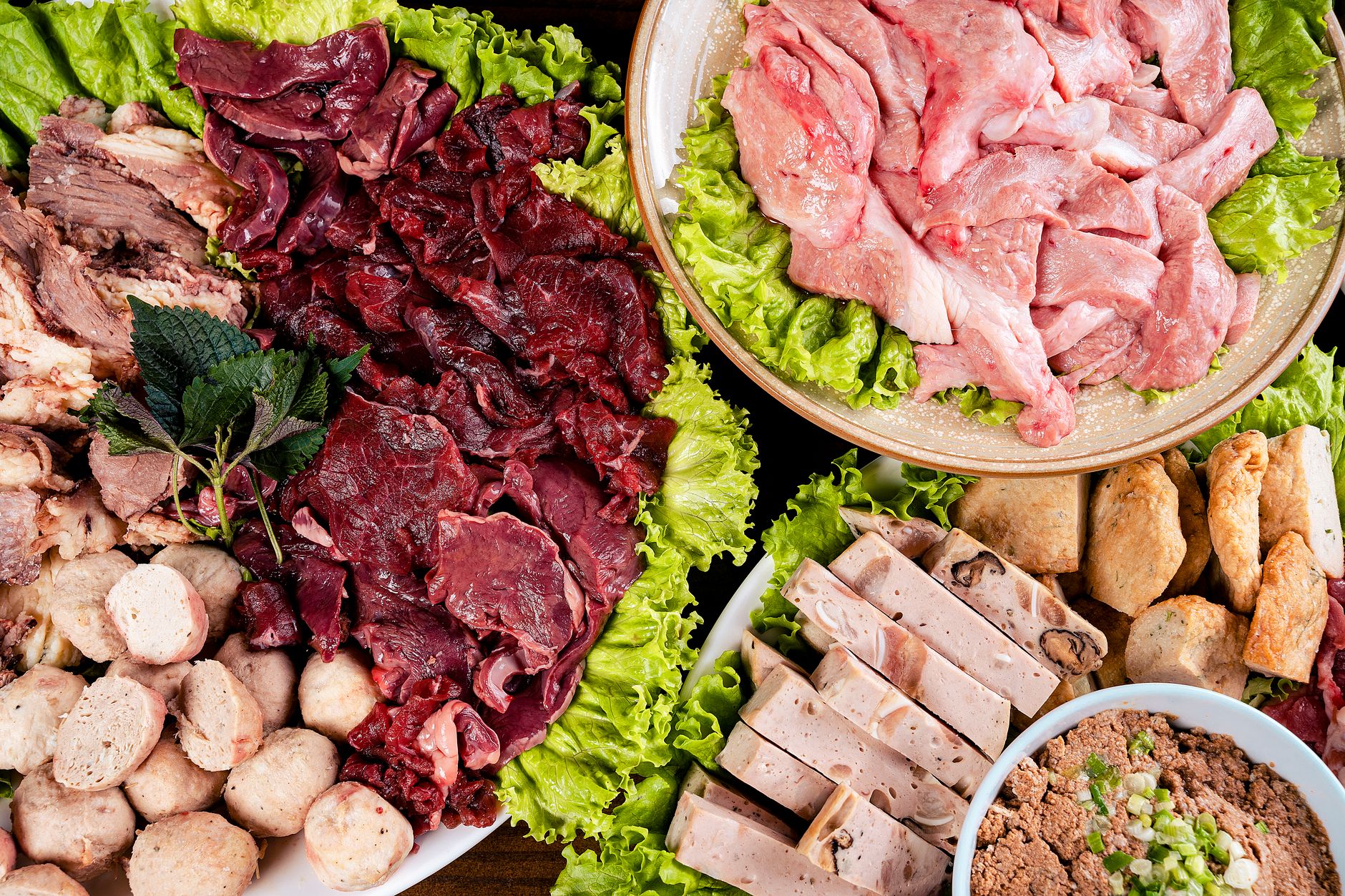
Bear meat has become an intriguing choice for adventurous eaters, raising questions about its flavor, texture, and culinary potential. While not as commonly found in grocery stores as beef or pork, it offers an unconventional alternative for those willing to experiment in the kitchen.
This article aims to explore whether bear meat tastes good, providing insight into its characteristics, preparation methods, and serving ideas to help you decide if this unique protein is for you.
Does Bear Meat Taste Good?
Yes, bear meat can be quite good, depending on various factors like the bear’s diet, age, and preparation. Generally, it is often described as rich, slightly sweet, and somewhat gamey, with flavors reminiscent of beef or pork, yet it boasts its distinctive qualities.
Understanding Bear Meat: Flavor and Texture
Bear meat has a unique flavor profile that can differ significantly based on the bear’s species, age, and diet. While black bear meat is the most commonly harvested and consumed, other species like grizzly bear can also be found in specific regions. Here’s a closer look at what to expect:
Flavor Profile
- Richness: Bear meat is notably richer than many other game meats, which can make it delightful for those who enjoy hearty flavors.
- Sweetness: A subtle sweetness accompanies the meat, often attributed to the bears’ diet of fruits, nuts, and berries.
- Gamey Notes: While it does have gamey undertones, the intensity varies. Younger bears tend to have milder flavors.
Texture
- Lean and Tender: Much like pork, bear meat can be tender, especially when sourced from younger animals.
- Fat Content: Bear meat typically has a higher fat content, particularly around the shoulders and loins, which contributes to its juiciness.
- Varied Cuts: Depending on the cut, the texture can range from tender and flaky to firmer and denser.
Cooking with Bear Meat: Key Considerations
Cooking bear meat requires specific considerations to ensure it is prepared safely and retains its best characteristics. Here are some important points to keep in mind:
Food Safety
Bear meat carries the potential risk of trichinosis, a parasitic infection commonly associated with wild game. Cooking bear meat thoroughly to an internal temperature of at least 160°F (71°C) is critical for safety. A meat thermometer is essential when preparing bear.
Age and Diet Factors
Younger bears generally yield better tasting meat than older ones. Additionally, bears that have consumed a varied diet of fruits and nuts will likely provide tastier flesh compared to those that have had a less diverse diet.
How to Prepare Bear Meat
Preparation methods vary widely from simple marinades to intricate stews. Here’s a comprehensive guide to the most effective ways to prepare bear meat:
Raw Preparation for Marinades and Rubs
- Trim excess fat, as it can impart a strong flavor.
- Cut bear meat into suitable portions for marinating or rub application.
Cooking Techniques
Bear meat can be prepared using various cooking techniques. Here are some of the most common methods:
Roasting
- Preheat the oven to 325°F (163°C).
- Season the bear roast liberally with salt, pepper, and preferred herbs.
- Roast in the oven until the internal temperature reaches a minimum of 160°F (71°C), generally about 2-3 hours depending on the size.
Slow Cooking
- Cube bear meat into 1-inch pieces and season as desired.
- Place meat in a slow cooker along with vegetables, broth, and seasonings of your choice.
- Cook on low for 6-8 hours until meat is fork-tender.
Grilling
- Marinate bear steaks for at least 4 hours or overnight to enhance flavor.
- Preheat the grill to medium-high heat and grease grates to prevent sticking.
- Grill steaks for about 4-6 minutes per side, monitoring for an internal temperature of 160°F (71°C).
Making Stews
- Brown bear meat in a heavy pot over medium heat.
- Add chopped vegetables and enough broth to cover.
- Simmer on low for several hours, until meat is tender.
Serving Ideas for Bear Meat
Once prepared, there are various ways to serve bear meat that enhance its rich flavors. Here are some creative ideas:
Bear Meat Tacos
Shred slow-cooked bear meat and serve it in warm tortillas. Toppings like avocado, fresh cilantro, and a squeeze of lime work beautifully with the rich flavor.
Stir-Fried Bear Meat
Quickly stir-fry cubes of bear meat with vegetables such as snow peas, carrots, and bell peppers; serve over rice or noodles for a delightful meal.
BBQ Bear Meat Sandwiches
Slow-cooked bear, shredded and mixed with BBQ sauce, can be served on a bun with coleslaw for a satisfying sandwich.
Bear Meat Chili
Incorporate bear meat into chili for a hearty dish; combine it with beans, tomatoes, and spices for a warming meal.
Practical Substitutions
If bear meat isn’t readily available, several alternatives can be used that may provide similar flavor or texture. Here are some suitable substitutes:
- Pork: Lean cuts of pork can mimic bear’s richness while offering a sweeter flavor.
- Venison: A lean, gamey alternative that can complement many bear meat recipes.
- Beef: When prepared properly, beef can be used in many bear meat recipes, although it will lack some of the unique sweetness.
Common Mistakes to Avoid
When cooking bear meat, it’s vital to avoid common pitfalls for the best results:
- Undercooking: Due to the risk of trichinosis, ensure that bear meat reaches the appropriate temperature.
- Overcooking: Cooking it too long can dry it out, so monitor doneness closely.
- Ignoring Seasoning: Bear meat benefits greatly from the right spices and marinades, so don’t skimp.
Storage and Reheating Tips
Storing bear meat properly will ensure its flavor and safety. Here are actionable tips:
Storage
- Refrigerate leftover bear meat within two hours of cooking and consume within 3-4 days.
- For long-term storage, freezing is ideal. Wrap tightly in plastic wrap or aluminum foil before placing in a freezer-safe bag.
Reheating
When reheating bear meat, use a method that prevents drying out:
- Oven: Preheat to 325°F (163°C) and cover the meat with foil to retain moisture.
- Stovetop: Add a little broth or water and cover until heated through.
Culinary Traditions and Uses
Bear meat has cultural significance in various regions, particularly among Indigenous peoples in North America. It has been traditionally used in numerous recipes, often smoked, roasted, or made into jerky. Understanding these traditions can enrich your culinary experience with bear meat.
Is Bear Meat Right for You?
Choosing to cook with bear meat may require some courage and curiosity. Its unique flavor and richness can offer an exciting break from the norm. However, it’s essential to weigh personal preferences and safety considerations carefully. If you appreciate wild game and enjoy bold, rich flavors, give bear meat a try for your next culinary adventure.
Explore related recipes, cooking tips, or food guides for more interesting ideas in your kitchen. Happy cooking!