
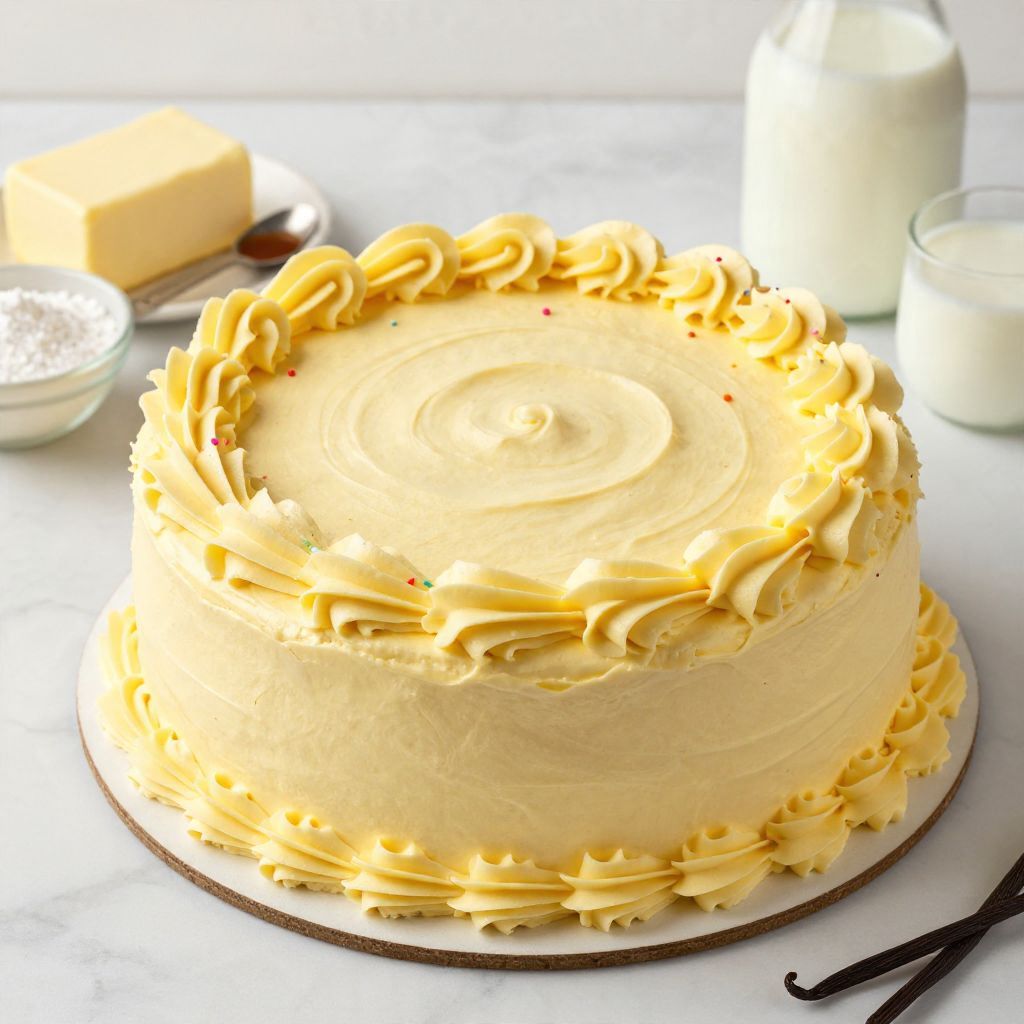
Picture a freshly baked cake, warm and inviting, just waiting for that perfect topping. The sweet, creamy goodness of Buttercream Icing is the ultimate finishing touch, transforming any dessert into something special. This recipe is a breeze to whip up, making it a must-have in your baking repertoire. With its smooth texture and rich flavor, it’s perfect for spreading or piping on cupcakes and cakes alike. Let’s dive into how you can make this delightful icing at home.
Why You’ll Love This Recipe
This Buttercream Icing is a classic for a reason. It’s versatile and easy to make, bringing a touch of sweetness to every dessert.
- Simple to prepare with just a few ingredients.
- Rich and creamy texture that spreads easily.
- Perfect for cakes, cupcakes, and cookies.
- Customizable with flavors and colors.
- Stays fresh for days when stored properly.
My Experience Making This Recipe
Every time I make Buttercream Icing, it brings back memories of baking with my grandmother. The moment the mixer whirs and the sugar and butter blend into a fluffy cloud, I can’t help but smile.
It’s almost therapeutic to watch it transform into a silky smooth icing. Friends and family rave about how delicious it is, and I love the way it elevates every dessert I serve.
Recipe Overview
- Recipe Name: Buttercream Icing
- Servings: 12
- Prep Time: 10 minutes
- Cook Time: 0 minutes
- Total Time: 10 minutes
- Course: Dessert
- Cuisine: American
- Calories per Serving: 120
Equipment You Will Need
- Mixing bowl
- Electric mixer or whisk
- Spatula
- Measuring cups and spoons
- Piping bags and tips (optional)
Ingredients for Buttercream Icing
- 1 cup unsalted butter, softened
- 4 cups powdered sugar
- 2 teaspoons vanilla extract
- 2 tablespoons milk or heavy cream
Ingredient Notes and Substitutions
- Unsalted butter: Provides a rich flavor without added salt. If using salted butter, omit additional salt.
- Powdered sugar: Gives the icing its sweetness and smooth texture. Granulated sugar can be blended to a powder in a blender as a substitute.
- Vanilla extract: Adds a classic flavor to the icing. Almond extract can be used for a different taste.
- Milk or heavy cream: Adjusts the consistency to your liking. Non-dairy milk works well for a vegan option.
How to Make Buttercream Icing
Step 1: Beat the Butter
In a mixing bowl, beat the softened butter with an electric mixer until creamy. This helps to incorporate air, making the icing light and fluffy.
Step 2: Add Powdered Sugar
Gradually add the powdered sugar, mixing on low speed to avoid a sugary cloud. This ensures the sugar incorporates evenly without creating a mess.
Step 3: Pour in Vanilla Extract
Add the vanilla extract to the mixture and continue to beat. This enhances the flavor profile, making it irresistible.
Step 4: Adjust Consistency
Mix in the milk one tablespoon at a time until you reach your desired consistency. This will help the icing spread easily without being too runny.
Step 5: Whip Until Fluffy
Increase the mixer speed and whip the icing for an additional 2-3 minutes. This step adds volume and lightness, creating that dreamy texture.
Step 6: Taste and Adjust
Give the icing a taste, and adjust sweetness or flavoring if needed. You want it to be just right, so don’t be shy about tweaking it!
Step 7: Color the Icing (Optional)
If desired, add food coloring, a few drops at a time, mixing until you achieve your desired shade. This makes your icing fun and festive for any occasion.
Step 8: Use or Store
Spread or pipe the icing onto your cooled cakes or cupcakes. If not using immediately, store it in an airtight container in the fridge.
Pro Tip: Make sure your butter is at room temperature for the best texture!
Tips for the Best Buttercream Icing
- Use high-quality ingredients for the best flavor.
- Ensure butter is softened, not melted, for smooth mixing.
- Mix at a low speed initially to prevent powdered sugar from flying everywhere.
- Store leftover icing in an airtight container for up to two weeks.
- For a richer flavor, try adding a pinch of salt.
Common Mistakes to Avoid
- Using cold butter: It won’t mix properly and will create lumps in the icing.
- Adding too much milk: This can make the icing too runny to hold its shape.
- Not mixing long enough: Insufficient mixing results in a dense texture instead of fluffy.
- Overmixing after adding powdered sugar: This can lead to a grainy texture.
Serving Suggestions
Enjoy your buttercream icing on a variety of desserts, making every occasion special.
- Classic vanilla or chocolate cake.
- Fluffy cupcakes topped with sprinkles.
- Cookies, especially sugar or gingerbread.
- Piped decorations for special events.
Variations to Try
- Add cocoa powder for chocolate buttercream.
- Incorporate citrus zest for a zesty twist.
- Mix in coffee for a delightful mocha flavor.
- Use different extracts like peppermint or hazelnut for unique tastes.
Dietary Adaptations
- Gluten-free: The recipe is naturally gluten-free with no flour.
- Dairy-free: Substitute butter with vegan butter and milk with non-dairy milk.
- Vegan: Use vegan butter and ensure powdered sugar is free from bone char.
- Low-carb/keto: Use a sugar substitute like erythritol or stevia.
Storage and Reheating
Refrigerator
Store leftover buttercream icing in an airtight container in the fridge.
- It lasts up to two weeks.
- Bring to room temperature before using.
Freezer
For longer storage, freeze buttercream icing in a freezer-safe container.
- It can last up to three months.
- Thaw in the fridge before using.
Reheating
Do not heat buttercream icing, as it can alter the texture.
- Let it sit at room temperature until soft enough to spread.
Nutrition Information
| Nutrient | Amount |
|---|---|
| Calories | 120 |
| Total Fat | 6g |
| Saturated Fat | 4g |
| Carbohydrates | 18g |
| Fiber | 0g |
| Sugar | 17g |
| Protein | 0g |
| Sodium | 10mg |
| Cholesterol | 15mg |
This nutrition information is an estimate and may vary based on ingredients used.
Frequently Asked Questions
Can I make this icing ahead of time?
Absolutely! You can make it a few days in advance and store it in the fridge.
What can I use instead of butter?
You can use vegan butter or shortening for a dairy-free version.
Why is my icing too runny?
If your icing is too runny, you may have added too much milk. Add more powdered sugar to thicken it.
Can I freeze buttercream icing?
Yes, you can freeze it for up to three months. Just thaw it in the fridge before using.
How can I make my icing fluffier?
Whip it longer after adding the powdered sugar to incorporate more air for fluffiness.
Final Thoughts
Making your own Buttercream Icing is a rewarding experience that adds joy to your baking. With just a few simple ingredients, you can create something truly delightful.
I encourage you to give this recipe a try and experiment with flavors and decorations. Your desserts will never be the same!
If you’re eager to explore more icing options, check out this easy icing recipe or try a powdered sugar icing recipe for a different take!
Buttercream Icing
Ingredients
Equipment
Method
- In a mixing bowl, beat the softened butter with an electric mixer until creamy.
- Gradually add the powdered sugar, mixing on low speed until incorporated.
- Add the vanilla extract and continue to beat until well combined.
- Mix in the milk one tablespoon at a time until you reach the desired consistency.
- Increase the mixer speed and whip the icing for an additional 2-3 minutes until fluffy.
- Taste the icing and adjust sweetness or flavoring if necessary.
- If desired, add food coloring and mix until evenly colored.
- Spread or pipe the icing onto cooled cakes or cupcakes.