
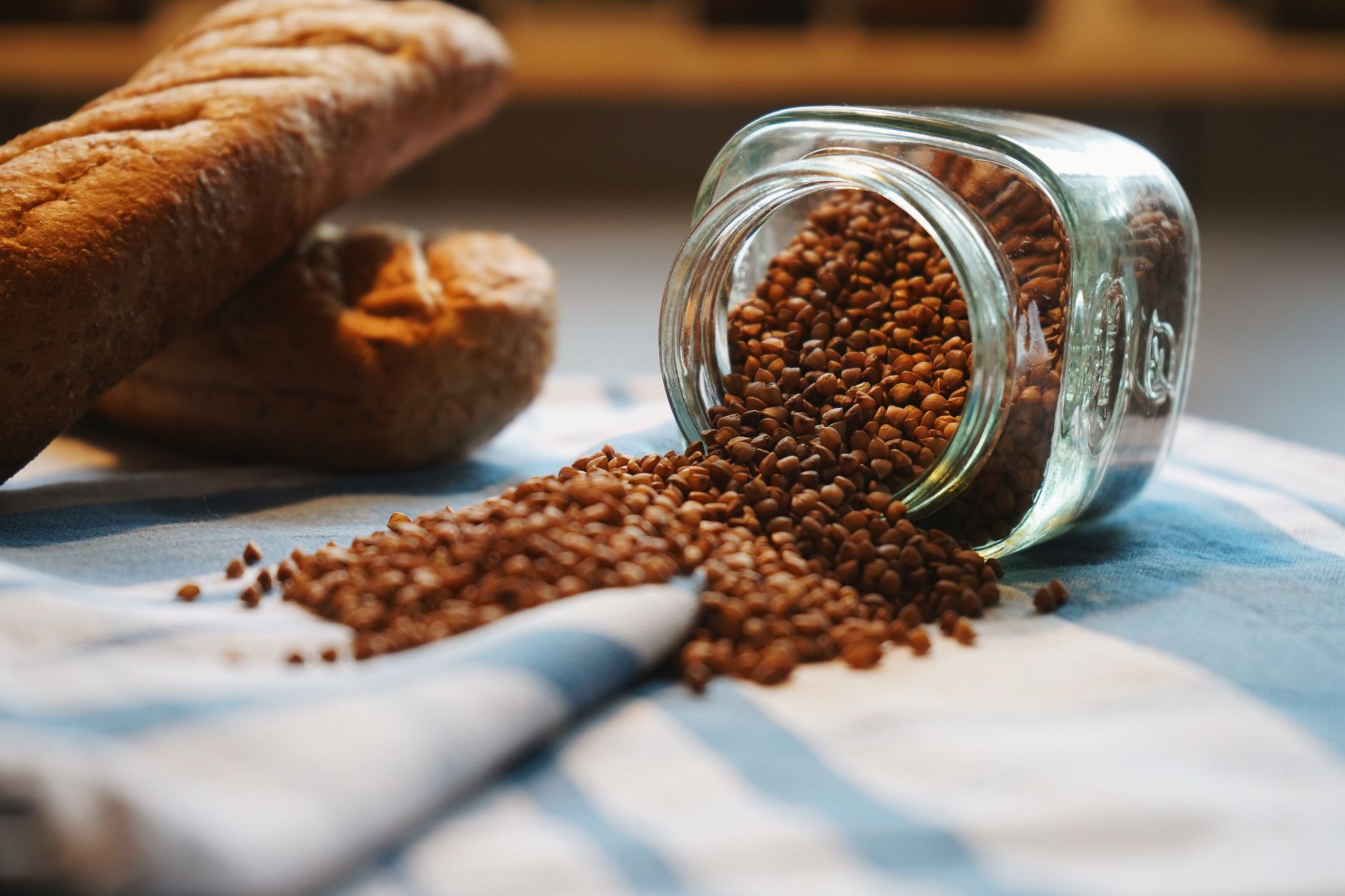
Many people wonder, is buckwheat a grain? Despite its name and common uses, buckwheat is technically not a grain. Instead, it is classified as a pseudo-cereal and is popular for its versatility in cooking and unique flavor profile.
This article delves into the details about buckwheat, including its characteristics, culinary uses, nutritional benefits, and how to incorporate it into your meals.
Is Buckwheat A Grain?
No, buckwheat is not a true grain, but rather a pseudo-cereal. It is the fruit of a flowering plant related to rhubarb and sorrel, commonly used as a grain substitute.
Buckwheat is gluten-free and rich in nutrients, making it a popular choice for those with gluten sensitivities or celiac disease.
Understanding Buckwheat
Buckwheat is native to Asia and was cultivated for thousands of years. It is valued for its ability to thrive in poor soil conditions and can be harvested quickly compared to traditional cereals.
There are two main varieties of buckwheat: common buckwheat (Fagopyrum esculentum) and tartary buckwheat (Fagopyrum tataricum). Common buckwheat is more widely used in food production, while tartary buckwheat is often used for medicinal purposes.
Nutritional Profile of Buckwheat
One of the reasons for buckwheat’s popularity is its impressive nutritional profile. It is a good source of protein, fiber, and essential vitamins and minerals.
- Protein: Approximately 6 grams per cooked cup (168 grams)
- Fiber: About 5 grams
- Vitamins: High in vitamins B1, B2, and B3
- Minerals: Rich in magnesium, manganese, phosphorus, and iron
Additionally, buckwheat contains antioxidants, which can help reduce inflammation and improve heart health.
Culinary Uses of Buckwheat
Buckwheat is incredibly versatile and can be used in various dishes. Here are some popular forms and uses:
1. Buckwheat Groats
Buckwheat groats are hulled seeds and are commonly cooked like rice or oats. They can be used in salads, bowls, or as a side dish. Cooking them is simple:
- Rinse 1 cup of buckwheat groats under cold water.
- Add them to a pot with 2 cups of water or broth.
- Bring to a boil, then reduce to a simmer and cover.
- Cook for about 20 minutes or until tender.
2. Buckwheat Flour
Buckwheat flour is made from ground buckwheat groats and is a popular gluten-free flour. It can be used for pancakes, muffins, or bread. Here’s a simple recipe for buckwheat pancakes:
- In a bowl, mix 1 cup of buckwheat flour, 1 teaspoon baking powder, and a pinch of salt.
- In a separate bowl, whisk 1 cup of milk (or a dairy alternative), 1 egg, and 2 tablespoons of melted butter.
- Combine the dry and wet ingredients and mix until just combined.
- Heat a non-stick skillet over medium heat and pour 1/4 cup of batter for each pancake.
- Cook until bubbles form on the surface, then flip and cook until golden brown.
3. Buckwheat Noodles
Known as soba noodles in Japanese cuisine, buckwheat noodles are often served cold with dipping sauces or in hot soups. They have a distinct flavor and a slightly nutty aroma.
When cooking soba noodles:
- Bring a pot of water to a boil and add 8 ounces of soba noodles.
- Cook according to the package instructions, typically 4 to 6 minutes.
- Drain and rinse with cold water to stop the cooking process.
4. Buckwheat Kasha
Kasha refers to roasted buckwheat groats and has a richer, toasted flavor. It can be used in pilafs, added to soups, or served as a wholesome side dish. To prepare kasha:
- Start by toasting 1 cup of kasha in a skillet over medium heat until fragrant, about 4-5 minutes.
- Add 2 cups of water or broth and bring to a boil.
- Cover and simmer for about 10-12 minutes or until the liquid is absorbed.
Serving Ideas for Buckwheat
There are many delicious ways to incorporate buckwheat into your meals:
- Mix cooked buckwheat groats into salads for added nutrition and texture.
- Use buckwheat flour for gluten-free pizza crust or wraps.
- Combine buckwheat noodles with fresh vegetables and a light sesame dressing.
- Top pancakes with fresh fruits, yogurt, or maple syrup for a satisfying breakfast.
- Create a warm bowl with sautéed vegetables, a protein source, and cooked buckwheat.
Dietary Considerations and Health Benefits
Buckwheat has gained popularity among those following gluten-free and vegetarian diets. Additionally, its high fiber content supports digestive health and can help maintain stable blood sugar levels.
Moreover, research suggests that incorporating buckwheat into your diet may improve heart health. The antioxidants found in buckwheat may help lower cholesterol levels and reduce hypertension.
Another notable benefit is its high protein content, which includes all eight essential amino acids, making it an excellent protein source for plant-based diets.
Practical Tips for Buying and Storing Buckwheat
When purchasing buckwheat, look for organic options whenever possible. Here are some tips on storage and handling:
- Store uncooked buckwheat in an airtight container in a cool, dark place for up to a year.
- Cooked buckwheat should be refrigerated in a sealed container and consumed within 5-7 days.
- Check labels for any cross-contamination with gluten-containing grains, especially if you have a gluten sensitivity.
Common Mistakes and Troubleshooting
While cooking with buckwheat is typically straightforward, there are some common pitfalls to avoid:
- Overcooking: Buckwheat can become mushy if overcooked. Follow cooking times closely and use the water to groats ratio mentioned for best results.
- Rinsing: Always rinse raw buckwheat groats before cooking to remove any residue or bitterness.
- Texture: If you prefer a firmer texture, consider cooking them with slightly less water.
Conclusion
Buckwheat is not only a nutritious pseudo-cereal but also a versatile and delicious ingredient to incorporate into your cooking. With its rich flavor and multiple preparation methods, buckwheat can elevate your meals while providing essential nutrients.
To start using buckwheat in your cooking, consider trying the recipes mentioned or experimenting with other creative ideas. Don’t forget to check out how to create a delicious chia pudding or learn how to bake wholesome almond flour bread!