
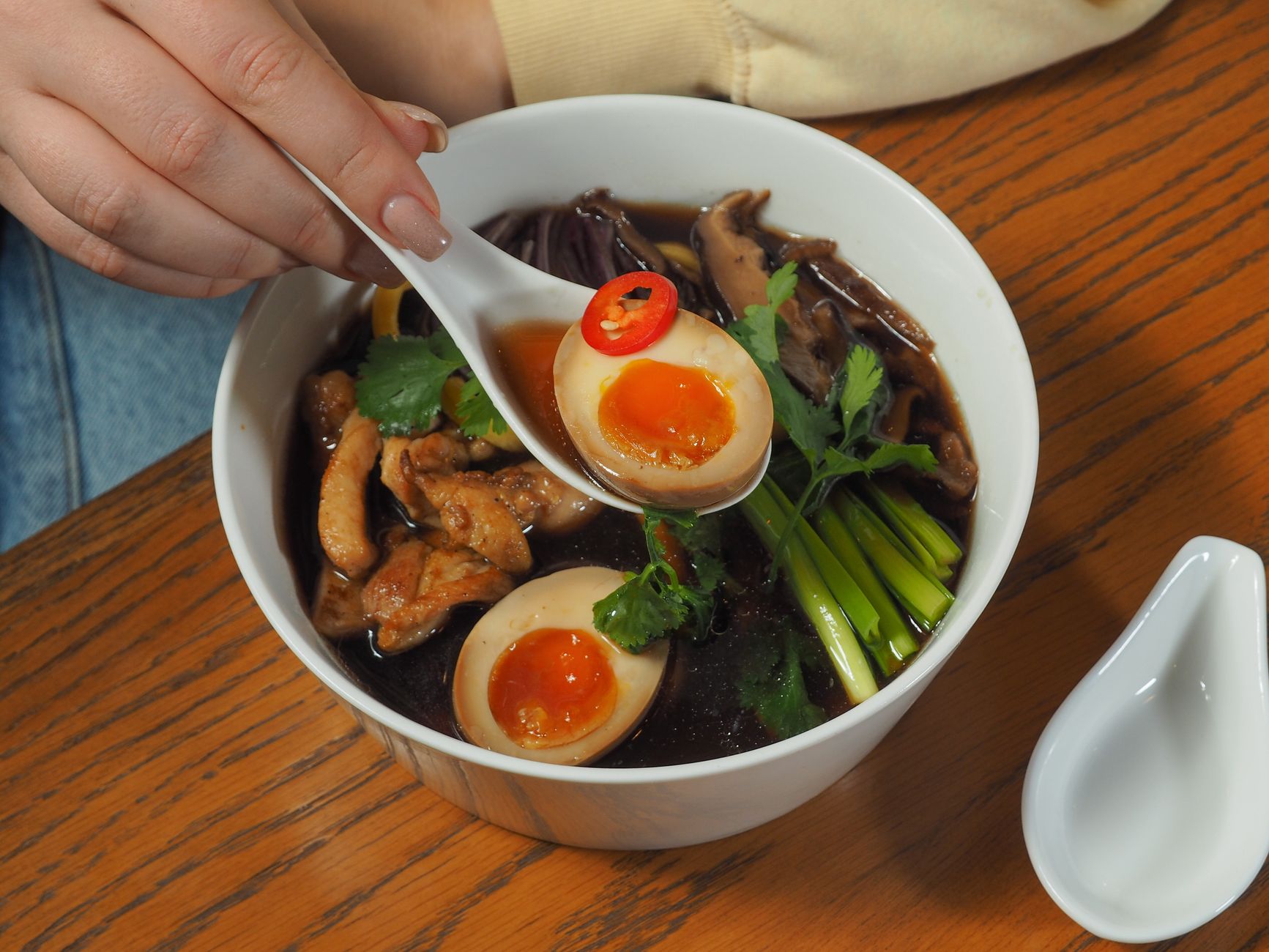
Kikurage, also known as wood ear mushrooms, is a unique and flavorful ingredient commonly used in ramen and other Asian dishes. Renowned for its texture, kikurage adds a delightful contrast to the soft, noodle-filled broths, enhancing both the taste and visual appeal of the dish.
This article explores the characteristics of kikurage in ramen, including its taste, texture, benefits, and various culinary uses. By the end, you’ll understand how to incorporate this ingredient into your meals and appreciate its role in enhancing flavor profiles.
What Is Kikurage in Ramen?
Kikurage is a type of edible mushroom belonging to the Auriculariaceae family. The mushroom typically grows on decaying wood and is harvested primarily in East Asia. In ramen, kikurage serves both a textural and flavor-enhancing purpose, making it a beloved addition for many.
The unique qualities of kikurage contribute to the overall ramen experience. Its mild flavor allows it to complement the rich, savory broth, while its chewy texture adds an enjoyable mouthfeel. This versatility makes kikurage an indispensable ingredient in traditional and contemporary ramen recipes.
Characteristics of Kikurage
Taste Profile
Kikurage has a mild, slightly earthy taste that harmonizes well with various ramen broths, including shoyu (soy sauce), miso, and tonkotsu (pork bone) varieties. It absorbs the flavors of the broth while adding a subtle umami note, making it a balanced addition to the dish.
Texture
One of the standout characteristics of kikurage is its unique texture. When rehydrated, it becomes soft yet retains a slight chewiness that contrasts beautifully with the tender noodles in ramen. This textural element enhances the overall eating experience and provides variety in each bite.
Uses in the Kitchen
Beyond ramen, kikurage mushrooms are incredibly versatile in culinary applications. They are commonly used in stir-fries, soups, salads, and even cold dishes. Due to their ability to absorb flavors, kikurage works well in various savory dishes, adding depth and character.
How to Prepare Kikurage for Ramen
Preparing kikurage for ramen is a simple yet crucial step to ensure you get the best flavor and texture from the mushrooms. Here’s a straightforward process for preparing kikurage:
- Choosing Kikurage: Purchase dried kikurage from your local Asian grocery store or online. Ensure the mushrooms are free from any signs of mold or spoilage.
- Soaking: Rinse the dried kikurage under cold water to remove any dust or impurities. Then, place them in a bowl and cover with warm water for about 20-30 minutes. This will rehydrate the mushrooms and make them tender.
- Draining: After soaking, drain the kikurage and gently squeeze out any excess water. The mushrooms will expand significantly during soaking, so expect them to double or even triple in size.
- Trimming: Remove any hard stems, as they can be tough and chewy. Slice the kikurage into bite-sized pieces, or leave them whole, depending on your preference.
- Adding to Ramen: Incorporate the rehydrated kikurage into your ramen preparation shortly before serving, allowing them to warm through in the broth.
Common Kikurage Recipes
Aside from its traditional use in ramen, kikurage can be incorporated into various recipes, providing flexibility in meal planning. Here are a few popular recipes featuring kikurage:
Ramen with Kikurage
- Ingredients:
- 1 pack of ramen noodles
- 4 cups of broth (chicken, beef, or vegetable)
- 1 cup of rehydrated kikurage
- 1 green onion, chopped
- Soft-boiled egg, for garnish
- Soya sauce, to taste
- Vegetables (spinach, bok choy, or bean sprouts)
- Preparation: Cook the ramen noodles in boiling water. In a separate pot, heat the broth and add the rehydrated kikurage and vegetables, cooking for a few minutes. Combine the noodles and broth in a bowl, garnishing with green onions and a soft-boiled egg.
Kikurage Stir-Fry
- Ingredients:
- 2 cups of mixed vegetables (bell peppers, carrots, broccoli)
- 1 cup of rehydrated kikurage
- 2 tablespoons of soy sauce
- 1 tablespoon of sesame oil
- 1 tablespoon of ginger, minced
- 2 cloves of garlic, minced
- Cooked rice or noodles, for serving
- Preparation: In a hot wok, add sesame oil and sauté ginger and garlic until fragrant. Add mixed vegetables and kikurage, stirring for 5-7 minutes. Pour in the soy sauce and mix well. Serve over rice or noodles.
Nutritional Benefits of Kikurage
Kikurage mushrooms are low in calories, making them a healthy addition to various dishes. They are rich in dietary fiber and contain essential nutrients such as vitamin D, iron, and potassium.
The fiber in kikurage aids in digestion and promotes fullness, which can be beneficial for those monitoring their weight. Additionally, the mushrooms are known for their antioxidative properties, helping to combat inflammation in the body.
Where to Buy Kikurage
Kikurage can typically be found at Asian grocery stores, either in the dried mushroom aisle or the refrigerated section. If you don’t have a local store that specializes in Asian cuisine, purchasing dried kikurage online is an excellent alternative.
When selecting kikurage, look for packages that indicate the mushrooms are whole, dried, or sometimes sliced. Check the expiration date to ensure freshness.
Storage and Shelf Life
Proper storage of kikurage will extend its shelf life and maintain its quality. Here are some guidelines for storing dried kikurage:
- Cool, Dry Place: Store dried kikurage in a cool, dry area away from direct sunlight. A pantry or cupboard is ideal.
- Airtight Container: Keep the mushrooms in an airtight container to prevent moisture from degrading quality. Vacuum-sealed bags can also work well.
- Refrigeration: If rehydrated kikurage is not used immediately, store any leftovers in an airtight container in the refrigerator for up to three days.
Common Mistakes and Troubleshooting with Kikurage
When using kikurage in your cooking, there are a few common mistakes to be mindful of:
- Overcooking: Avoid overcooking kikurage in the broth, as they can become too soft and lose their desired texture. Add them to the broth only towards the end of cooking.
- Not Soaking Long Enough: Ensure you soak the dried kikurage adequately. Insufficient soaking can result in tough mushrooms that do not absorb flavors properly.
- Ignoring Quality: Purchase high-quality kikurage. Low-quality mushrooms may have a dull flavor and brittle texture, detracting from the overall dish.
Creative Ways to Use Kikurage
Aside from traditional ramen and stir-fries, kikurage mushrooms can be an exciting addition to various dishes.
- Salads: Add sliced kikurage to salads for a unique texture and flavor. They pair well with sesame dressing and greens.
- Spring Rolls: Use kikurage in spring rolls to add a chewy element. Combine with shrimp, vegetables, or tofu for a fresh bite.
- Pasta Dishes: Incorporate kikurage into pasta recipes, adding them to creamy sauces or earthy marinara for depth.
Conclusion
Kikurage mushrooms bring a unique taste and texture to ramen, enhancing the dish’s overall appeal. Understanding how to prepare and use kikurage will allow you to create varied and delightful meals. If you haven’t already, consider exploring the depth that kikurage can add to your cooking repertoire.
For more culinary inspiration, explore our ramen seasoning recipe or try out the buldak ramen recipe for an exciting twist on your ramen dishes.