
If you’re following a vegan diet, you might wonder how to ensure you’re getting enough protein. The great news is that there are plenty of plant-based foods that are not only rich in protein but also versatile and delicious. This comprehensive ingredient guide focuses on the top vegan foods that are high in protein, perfect for anyone looking to boost their intake of this essential nutrient.
In this guide, we will explore various protein-rich vegan foods, their benefits, cooking methods, and tips on incorporating them into your meals. Whether you’re an experienced vegan or someone new to plant-based eating, this resource will help you make well-informed choices.
What Vegan Foods Are High in Protein?
When it comes to vegan options high in protein, there are numerous choices that can easily fit into your daily meals. Some of the most protein-rich vegan foods include legumes, nuts, seeds, whole grains, and certain vegetables. Here are some of the best picks:
Legumes
Legumes are a staple in vegan diets and are packed with protein. They are also high in fiber, making them excellent for digestion.
- Lentils: Approximately 18 grams of protein per cooked cup. Lentils are versatile and can be used in soups, salads, or as a filling in dishes like lentil burgers.
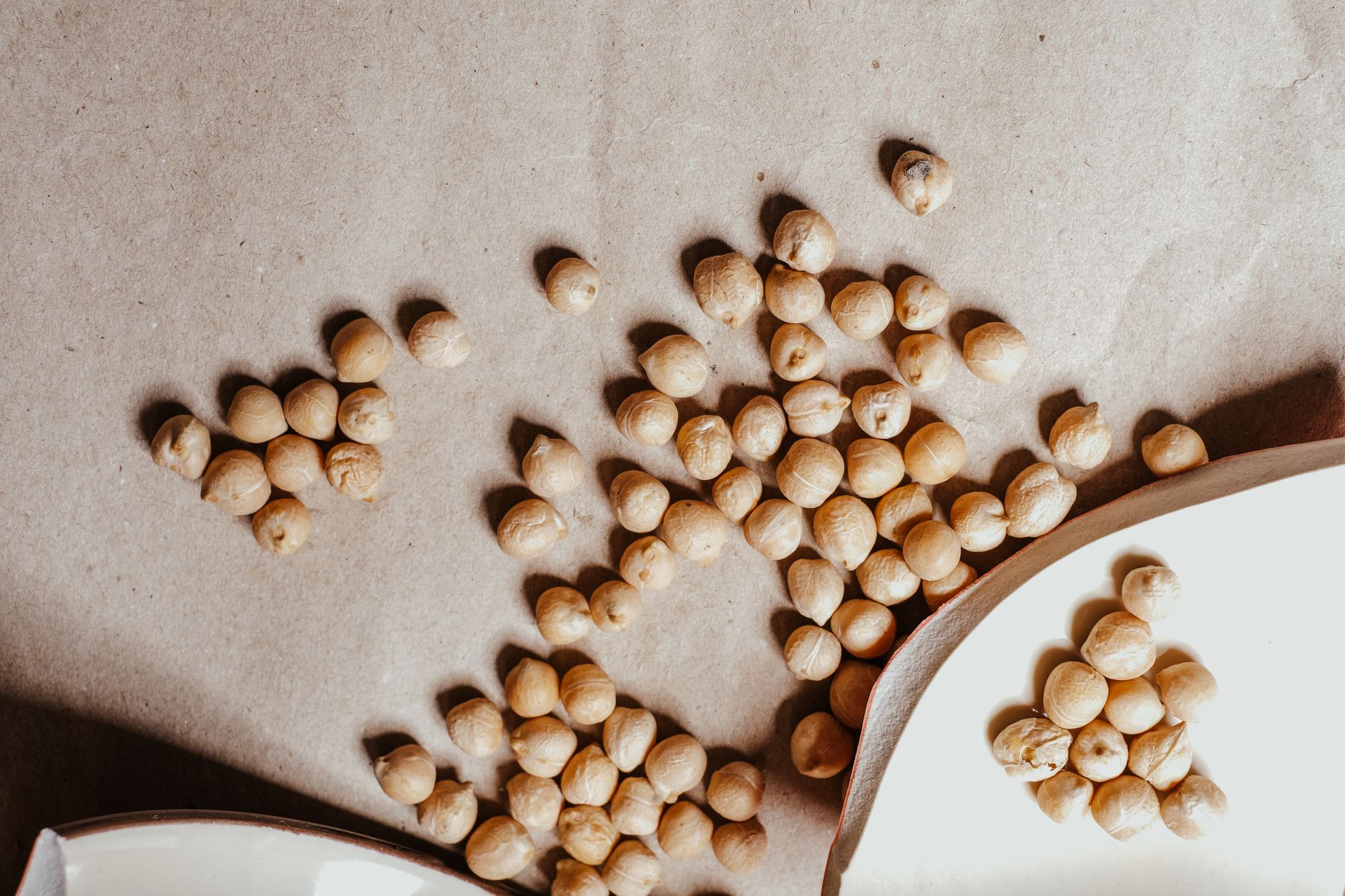
- Chickpeas: Containing about 15 grams of protein per cooked cup. Chickpeas are perfect for making hummus, adding to salads, or roasting for a crunchy snack.
- Black Beans: Offering around 15 grams of protein per cooked cup. Black beans are delicious in burritos, stews, or salads.
- Green Peas: With about 9 grams of protein per cooked cup, green peas can be added to various dishes or pureed into spreads.
- Kidney Beans: Providing about 15 grams of protein per cooked cup, they make a hearty addition to chilis and stews.
Nuts and Seeds
Nuts and seeds are not only high in protein but also provide healthy fats and essential nutrients. They can be snacked on or added to many dishes.
- Almonds: Approximately 6 grams of protein per ounce. Enjoy them raw, roasted, or as almond butter.
- Chia Seeds: Containing about 5 grams of protein per ounce. Chia seeds swell in liquid and can be added to smoothies, puddings, or oatmeal.
- Hemp Seeds: Offering around 10 grams of protein per 3 tablespoons. Hemp seeds have a nutty flavor and can be sprinkled on salads, cereals, or blended into smoothies.
- Pumpkin Seeds: With approximately 9 grams of protein per ounce. Use them in granola, trail mix, or as a salad topping.
- Peanuts: Providing about 7 grams of protein per ounce. They are great on their own, in peanut butter, or added to stir-fries.
Whole Grains
Whole grains are another excellent source of protein. They are also rich in fiber, vitamins, and minerals, making them a healthy choice.
- Quinoa: About 8 grams of protein per cooked cup. Unlike most grains, quinoa is a complete protein, meaning it contains all essential amino acids. It can be used in salads, bowls, or as a side dish.
- Brown Rice: Approximately 5 grams of protein per cooked cup. It’s a staple grain that can accompany a variety of dishes.
- Farro: Containing around 6 grams of protein per cooked cup. Farro has a nutty flavor and chewy texture, excellent in salads and bowls.
- Oats: Offering about 6 grams of protein per cooked cup. Oats are often used in breakfast recipes, cookies, or energy bars.
- Barley: Approximately 3.5 grams of protein per cooked cup. Barley can be added to soups or salads for extra texture.
Vegetables
While vegetables generally contain lower amounts of protein than legumes or grains, some are still quite beneficial for your protein intake.
- Broccoli: Contains about 4 grams of protein per cooked cup. Broccoli can be steamed, roasted, or added to stir-fries.
- Spinach: About 5 grams of protein per cooked cup. This leafy green can be incorporated into salads, smoothies, and soups.
- Brussels Sprouts: Offering around 4 grams of protein per cooked cup. These can be roasted or steamed and added to any meal.
- Kale: Contains roughly 3 grams of protein per cooked cup. Kale is a great addition to salads or smoothies.
- Asparagus: Provides about 4 grams of protein per cooked cup. Asparagus can be grilled, steamed, or incorporated in a stir-fry.
Tofu and Tempeh
Tofu and tempeh are fantastic vegan protein sources derived from soybeans, perfect for both savory and sweet dishes.
- Tofu: Contains about 20 grams of protein per cup. Tofu can be grilled, stir-fried, or used in soups and salads. Silken tofu can be blended into smoothies or desserts.
- Tempeh: Approximately 31 grams of protein per cup. Fermented and with a firmer texture than tofu, tempeh can be cooked in various ways and is delicious in sandwiches or bowls.
Plant-Based Protein Powder
For those looking to boost their protein intake further, plant-based protein powders are an option worth considering. These can be made from sources like pea protein, brown rice protein, or hemp protein.
- Pea Protein: Offers around 20-25 grams of protein per serving. It has a neutral flavor, making it easy to blend into smoothies or baked goods.
- Brown Rice Protein: Contains about 15-20 grams of protein per serving. A great addition to shakes and smoothies.
- Hemp Protein: Providing about 15 grams of protein per serving, it can be kept natural in smoothies or added to baked goods.
Meal Planning with High-Protein Vegan Foods
Incorporating high-protein vegan foods into your meal planning can be simple with a little foresight. Here are some practical strategies to help you meet your protein goals:
1. Breakfast Ideas
- Overnight oats made with chia seeds and almond milk topped with nuts or pumpkin seeds.
- Tofu scramble with vegetables served on whole grain toast.
- Protein smoothies featuring spinach, banana, nut butter, and a scoop of plant-based protein powder.
2. Lunch Options
- Quinoa salad with chickpeas, bell peppers, and a lemon-tahini dressing.
- Last night’s lentil soup with a side of whole-grain bread.
- Wraps filled with hummus, spinach, shredded carrots, and cherry tomatoes.
3. Dinner Dishes
- Stir-fried tempeh with a variety of vegetables served over brown rice.
- Chickpea curry with quinoa or brown rice on the side.
- Stuffed bell peppers filled with quinoa, black beans, and spices.
4. Snacks
- Roasted chickpeas seasoned with spices for a crunchy snack.
- Nut butter on whole grain toast or apple slices.
- A handful of mixed nuts or a smoothie with protein powder between meals.
Common Mistakes and How to Avoid Them
Many people transitioning to a vegan diet may inadvertently overlook protein intake. Here are some tips to help you avoid common pitfalls:
- Relying Too Much on Processed Foods: Many processed vegan products, while convenient, can be low in protein. Focus on whole food sources for balanced nutrition.
- Neglecting Variety: Eating the same high-protein foods repeatedly can lead to nutrient deficiencies. Mix up your meals with different legumes, grains, nuts, and seeds.
- Not Pairing Proteins Correctly: Some plant proteins do not contain all essential amino acids. By combining sources like rice and beans, you can achieve complete proteins.
Storage and Preparation Tips
Proper storage and preparation can help maximize the benefits of your high-protein vegan foods.
- Storing Legumes: Keep dried legumes in a cool, dry place. Cooked legumes can usually be refrigerated for up to five days.
- Nuts and Seeds: Store in airtight containers in a cool, dark place. Refrigerating can extend their freshness.
- Grains: Whole grains can last several months in a sealed container. Cooked grains should also be stored in the fridge, typically for up to a week.
- Tofu and Tempeh: Unopened tofu can be stored in the fridge until the expiration date. Once opened, use within a week, keeping it submerged in water.
Final Thoughts
A vegan diet rich in protein doesn’t have to be complicated. By including a variety of legumes, nuts, seeds, whole grains, and soy products in your meals, you can easily meet your protein needs. Focus on meal planning with these ingredients and enjoy the diversity of flavors and textures they bring to your dishes.
To continue enhancing your culinary skills and discover delicious options, check out our recipes for protein brownies and protein cookies. These will provide you with great ideas for tasty, high-protein snacks!