
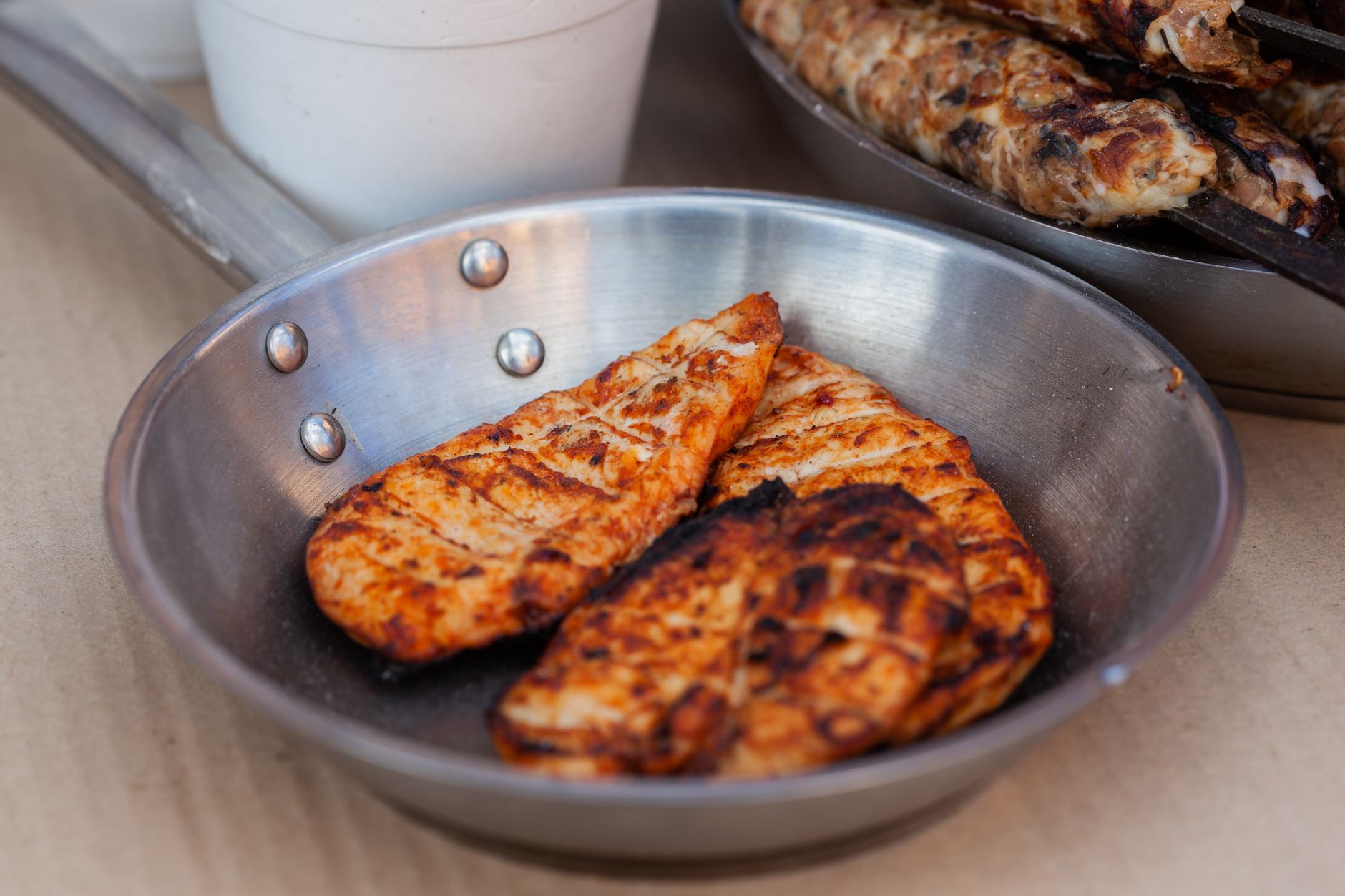
Chicken breast is a popular protein source, especially among health-conscious individuals and those following specific diets. It provides essential nutrients, is versatile in recipes, and is relatively easy to prepare. Understanding its protein content can help you make informed meal decisions.
In this article, we will explore how much protein is in a chicken breast, its nutritional profile, portion sizes, cooking methods, and its role in meal planning.
How Much Protein Is a Chicken Breast?
A standard cooked, skinless chicken breast weighing about 3.5 ounces (100 grams) typically contains approximately 31 grams of protein. This high protein content makes chicken breast a favored choice for those looking to increase their protein intake.
Nutritional Profile of Chicken Breast
Beyond just protein, chicken breast is rich in essential vitamins and minerals. A 100-gram serving of cooked, skinless chicken breast generally contains:
- Calories: 165
- Fat: 3.6 grams
- Saturated Fat: 1 gram
- Cholesterol: 85 milligrams
- Sodium: 74 milligrams
- Potassium: 256 milligrams
- Carbohydrates: 0 grams
- Fiber: 0 grams
- Sugar: 0 grams
- Vitamin B6: 0.6 milligrams (30% of the Daily Value)
- Niacin: 13.7 milligrams (68% of the Daily Value)
This nutritional powerhouse not only supports muscle health but also plays a significant role in energy production, making it a staple in many diets.
Portion Sizes and Serving Suggestions
When planning your meals, it’s crucial to consider portion sizes to ensure you’re getting adequate protein. A typical serving of chicken breast is around 3 to 4 ounces, which equates to about the size of a deck of cards or the palm of your hand. Here’s how different portions stack up:
- 3 ounces (85 grams): approximately 26 grams of protein
- 4 ounces (113 grams): approximately 31 grams of protein
- 6 ounces (170 grams): approximately 46 grams of protein
Adjusting the portion size to fit your dietary needs can help you achieve your protein goals, whether you’re building muscle or managing weight.
Cooking Methods That Preserve Protein
The cooking method you choose can affect the protein content and overall nutritional value of chicken breast. Here are some common cooking methods:
- Grilling: Grilling chicken breast allows excess fat to drip away, helping you maintain its lean nature.
- Baking: Baking retains moisture and flavor, useful for seasoning or marinating.
- Sautéing: Quick sautéing or stir-frying with a healthy oil can add flavor without sacrificing protein.
- Poaching: This method gently cooks chicken in water or broth, keeping it tender and juicy while maintaining nutritional integrity.
Avoid overcooking, which can lead to dryness, compromising both texture and taste. Using a meat thermometer can help ensure perfect doneness, with a safe internal temperature of 165°F (74°C).
Protein Variations: Skin-On Vs. Skinless
When considering how much protein is in a chicken breast, it’s essential to acknowledge the difference between skin-on and skinless varieties. While skinless chicken breast is leaner and higher in protein per ounce, skin-on chicken breast contains more fat and calories, which can slightly reduce the protein concentration per serving.
A skin-on chicken breast weighing 100 grams typically has around 27 grams of protein due to the added fat content. Choosing skinless options can help you maximize your protein intake while minimizing calories, especially for those on a low-fat diet.
Common Mistakes When Cooking Chicken Breast
Many home cooks encounter challenges when preparing chicken breast. Here are some common mistakes and tips for success:
- Overcooking: Chicken can easily become dry and tough if overcooked. Use a meat thermometer for accurate measurements.
- Not seasoning properly: Chicken breast can be bland if not adequately seasoned. Marinating or using flavorful spices can enhance taste.
- Skipping resting time: Letting chicken rest for a few minutes post-cooking allows juices to redistribute, resulting in a juicier final product.
By avoiding these pitfalls, you can ensure a more enjoyable cooking experience and a succulent result.
Incorporating Chicken Breast into Meal Planning
Chicken breast is versatile in meal planning, making it easy to include in various dishes. Here are some ideas for incorporating chicken breast into your meals:
- Salads: Grilled or baked chicken breast can serve as a nutritious topping for leafy greens.
- Stir-fries: Sliced chicken breast cooks quickly alongside vegetables and rice or noodles, offering a well-rounded meal.
- Wraps and sandwiches: Shredded chicken can be the star ingredient in wraps, paired with vegetables and sauces for added flavor.
- Soups: Diced chicken breast can enhance protein content in homemade soups or stews, adding heartiness and flavor.
Meal prepping with chicken breast can save time and make it easier to maintain a balanced diet. Cooking multiple portions at once and storing them in the fridge or freezer ensures you always have a healthy option on hand.
Healthy Substitutes for Chicken Breast
If you are looking to diversify your protein sources or are following a specific dietary plan, there are several substitutes for chicken breast. Here are some alternatives to consider:
- Turkey breast: Offers a similar protein profile and can be used in the same ways as chicken.
- Tofu: A plant-based option that is high in protein and versatile in recipes, suitable for vegetarian or vegan diets.
- Fish: Fish such as salmon or tuna not only provide protein but also offer healthy omega-3 fatty acids.
- Lean beef: Cuts like sirloin provide a rich flavor and adequate protein but have higher fat content than chicken.
Each substitute has its unique flavor and texture, so be sure to adjust cooking times and methods for the best results.
Preparing chicken breast in a healthy way presents a fantastic opportunity to meet your protein requirements while enjoying delicious meals. With its myriad ways to cook and incorporate it into dishes, chicken breast can fit into anyone’s diet.
Storing and Reheating Chicken Breast
Proper storage is essential to maintain the quality and safety of cooked chicken breast. Here are some guidelines for storing and reheating:
- Refrigeration: Store cooked chicken breast in an airtight container and refrigerate within two hours of cooking. It will generally last for 3 to 4 days in the fridge.
- Freezing: For longer storage, cooked chicken breast can be frozen. Ensure it’s tightly wrapped or stored in a freezer-safe container to avoid freezer burn. It can last for up to 4 months in the freezer.
- Reheating: When reheating, ensure the chicken reaches an internal temperature of 165°F (74°C). This can be done using the microwave, oven, or stovetop.
Following these tips ensures you get the most out of your chicken breast while reducing waste and promoting food safety.
The Final Word on Chicken Breast Protein
Chicken breast remains a staple protein source for various diets and cooking styles due to its high protein content and versatility. Knowing how much protein is in a chicken breast helps you better meet your nutritional goals, whether you’re cooking for yourself or your family.
With a wealth of recipes and cooking methods available, chicken breast can be prepared in endless ways to keep your meals exciting while ensuring you get adequate protein. Consider incorporating it into your next meal prep or experiment with new recipes to fully appreciate this culinary staple.
For more cooking tips and delicious recipes, explore our guides on sous vide chicken breast or learn how to perfect your chicken brine for added flavor. Discover practical insights and elevate your cooking game today.