
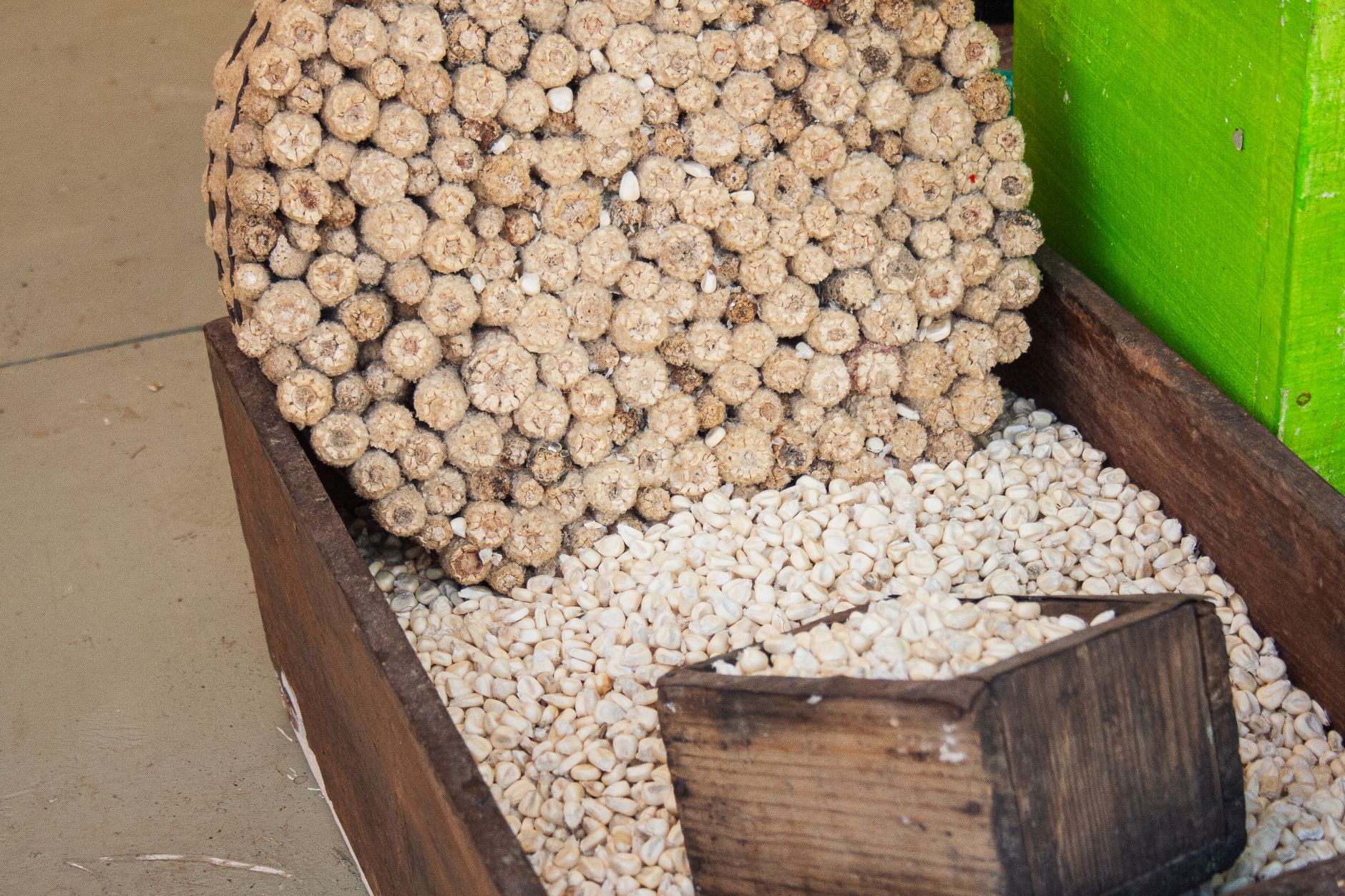
Maseca is a well-known brand in the world of corn-based ingredients, primarily recognized for its masa harina, a specialty flour created from nixtamalized corn. While some may question whether Maseca is corn starch, it’s essential to clarify that Maseca and corn starch are distinct products, each with unique applications in cooking and baking. This article will delve into the differences between Maseca and corn starch, explore their uses, and provide practical serving ideas to elevate your meals.
Understanding the characteristics and appropriate applications of Maseca and corn starch can significantly enhance your culinary skills and meal planning. So, let’s unravel the mysteries of these corn-based ingredients.
Is Maseca Corn Starch?
No, Maseca is not corn starch. Maseca is a brand specializing in masa harina, made from corn that has been treated with lime water through a process called nixtamalization. This process results in a finely ground flour that retains the full flavor and nutritional benefits of the corn. In contrast, corn starch is a refined carbohydrate derived solely from the endosperm of corn kernels, used primarily as a thickening agent in various recipes.
What is Maseca?
Maseca, specifically, is known for its masa harina, which is crucial in the preparation of authentic Mexican dishes such as tortillas, tamales, and pupusas. The nixtamalization process enhances the corn’s nutritional profile, making it richer in calcium and easier to digest. The resulting masa harina can be rehydrated with water to create a dough, or masa, used in a variety of culinary applications.
The Differences Between Maseca and Corn Starch
Although both Maseca and corn starch originate from corn, their production processes, textures, and culinary uses differ significantly:
- Production: Maseca is made from nixtamalized corn, while corn starch is extracted from the endosperm of corn kernels and involves a different refining process.
- Texture: Maseca has a grainy texture, similar to flour, while corn starch has a fine, powdery consistency.
- Uses: Maseca is primarily used for making doughs and batters, whereas corn starch is mainly employed as a thickener for sauces, soups, and desserts.
Culinary Uses of Maseca
The versatility of Maseca extends beyond merely making tortillas. Here are some additional ways to incorporate Maseca in your cooking:
Masa Harina for Tortillas and Tacos
Perhaps the most common use for Maseca is in the preparation of tortillas. The dough is easy to make, and fresh tortillas offer a flavor and texture that is unmatched by store-bought versions.
Tamales
Maseca is also perfect for making tamales, which consist of masa stuffed with various fillings and wrapped in corn husks. The masa made from Maseca yields a light and fluffy texture when steamed.
Pupusas
This traditional dish from El Salvador involves thick corn tortillas filled with cheese, beans, or meats. Using Maseca allows you to create a delightful dough that holds up beautifully with rich fillings.
Soups and Stews
Maseca can be used to thicken soups and stews, similar to corn starch, but it also adds a distinct corn flavor, enhancing the dish’s overall depth.
Baking
Some bakers incorporate Maseca into their recipes for corn-based baked goods, such as cornbread or muffins, to enhance flavor and create a denser texture.
How to Use Maseca
Using Maseca effectively can elevate your cooking. Here’s a simple guide to working with this ingredient:
Making Tortillas
- Combine 2 cups of Maseca with 1/2 teaspoon of salt in a bowl.
- Add 1 to 1.5 cups of warm water gradually, mixing it into the flour until a dough forms.
- Knead the dough for a few minutes until it is smooth and pliable.
- Divide the dough into balls and press each ball into a flat disk using a tortilla press or your hands.
- Cook on a hot griddle or skillet for about 30 seconds on each side or until lightly browned.
Making Tamales
- Prepare the corn husks by soaking them in warm water for about an hour.
- In a large mixing bowl, combine 4 cups of Maseca, 1 teaspoon of baking powder, and 1/2 teaspoon of salt. Mix well.
- In another bowl, beat 1 cup of softened butter and 1 cup of broth until fluffy. Gradually add the Maseca mixture and mix until well blended.
- Spread a layer of the masa mix on a soaked corn husk, add your desired filling, and fold the husk.
- Steam the tamales for about 1 to 1.5 hours or until the masa pulls away from the husk easily.
Culinary Uses of Corn Starch
Corn starch is often used in cooking and baking primarily as a thickening agent. Some common uses include:
Thickening Sauces
Mixing corn starch with a bit of cold water to make a slurry before adding it to hot liquids can easily thicken sauces, gravies, and soups.
Making Puddings and Desserts
Corn starch is a critical ingredient in many pudding recipes, helping them to set while maintaining a smooth texture.
Coating Foods for Frying
Using corn starch as a coating enhances crispness when frying foods such as chicken, vegetables, and tofu.
Gluten-Free Baking
Corn starch can be used in gluten-free baking to improve the texture of baked goods, acting as a binding and thickening agent.
Practical Substitutions: Maseca vs. Corn Starch
Understanding how to substitute ingredients can be beneficial in recipe adaptations. For example:
- If you need Maseca and only have corn starch, consider using corn flour as a closer substitute. However, note that the texture and flavor will differ.
- For recipes requiring a thickening agent, corn starch can replace Maseca in sauces, but it won’t provide the same authentic corn flavor.
Common Mistakes and Troubleshooting
Cooking with Maseca and corn starch can present challenges. Here are tips to avoid common pitfalls:
- Too Dry or Crumbly Dough: If your dough is too dry while using Maseca, gradually add more water until you achieve the right consistency.
- Thickening Issues: When thickening with corn starch, remember to whisk it thoroughly into cold water to prevent lumps, and add it to hot liquids slowly while stirring.
- Overcooking Corn Starch: Avoid boiling sauces thickened with corn starch for too long; it can break down the starch and result in thinning.
Storage and Shelf Life
To ensure freshness and maintain the quality of your Maseca and corn starch, adhere to the following storage practices:
Storage of Maseca
Maseca should be stored in a cool, dry place, preferably in an airtight container to protect it from moisture and pests. When stored correctly, it can last up to a year.
Storage of Corn Starch
Like Maseca, corn starch should be kept in a cool, dry area, sealed tightly in a container. Properly stored, corn starch remains effective for many years, though it may start to clump over time.
Regional Dishes Featuring Maseca
Maseca is a staple ingredient in many Latin American cuisines. Here are a few popular dishes:
- Tacos de Maíz: Filled with various proteins, Maseca tortillas are essential for a traditional taco experience.
- Arepas: These Venezuelan corn cakes made from Maseca can be grilled, baked, or fried, depending on regional variations.
- Gorditas: Thick corn cakes made with Maseca, usually stuffed with meats, cheeses, or beans.
Serving Ideas and Pairings
To complement dishes made with Maseca, consider the following serving suggestions:
- Serve homemade tortillas with guacamole, salsa, or your favorite dips.
- Pair tamales with a side of pico de gallo or a tangy green sauce for added flavor.
- Incorporate cooked pupusas with a side salad and curtido, a traditional pickled cabbage slaw.
In summary, Maseca and corn starch are both valuable corn-derived ingredients with unique characteristics and uses. Knowing the differences enhances your culinary versatility and allows you to create authentic dishes with various textures and flavors. Familiarizing yourself with preparation techniques, troubleshooting tips, and practical applications will certainly elevate your cooking experience.
Explore related recipes, cooking tips, or food guides, such as corn pone or cornbread with creamed corn to expand your culinary repertoire further.