
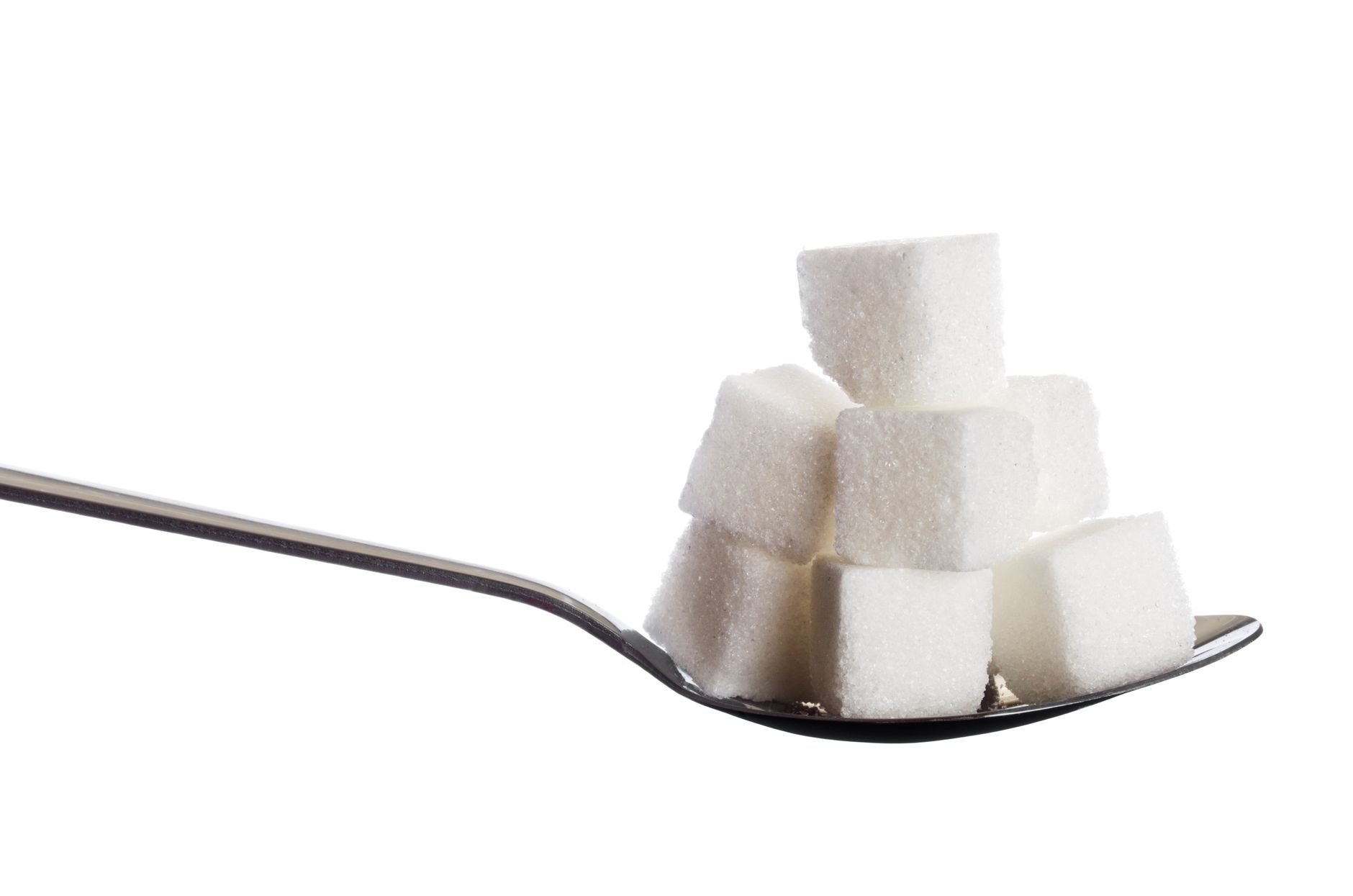
Splenda is a widely used artificial sweetener known primarily for its sugar-like taste without the calories. Many people use it as a sugar substitute in foods and beverages to help reduce calorie intake or manage blood sugar levels. Understanding what Splenda is made of, as well as its applications and potential limitations, can help you make informed choices about its use in your diet.
This article delves into the ingredients that make up Splenda, its manufacturing process, and useful tips on how to incorporate it into your cooking and baking effectively. By understanding Splenda better, you can adjust your recipes and meal plans while considering taste and dietary needs.
What Is Splenda Made Of?
Splenda is primarily comprised of sucralose, a chlorinated derivative of sucrose (table sugar). The manufacturing process of Splenda involves the selective substitution of three hydroxyl groups on the sugar molecule with chlorine atoms. The result is a sweetener that is approximately 600 times sweeter than sugar yet has minimal calories, as it passes through the body without being absorbed.
The Ingredients Breakdown
- Sucralose: The main ingredient in Splenda, providing most of its sweetness.
- Malto-Dextrin: A carbohydrate derived from corn or other starches that acts as a bulking agent. It helps to give Splenda a similar texture to sugar.
- Dextrose: A form of glucose that aids in flavor balancing and adds a slight sweetness. It is often used in combination with malto-dextrin.
How Is Splenda Made?
The production of Splenda involves several steps, mainly focusing on the transformation of sugar into sucralose:
- Chlorination: This process substitutes three hydroxyl groups of the sucrose molecule with chlorine atoms. As a result, sucralose retains the sweet taste of sugar without the caloric value.
- Purification: The resulting sucralose undergoes extensive purification to eliminate impurities and ensure safety for consumption.
- Formulation: Finally, sucralose is combined with maltodextrin and dextrose to create the Splenda product that consumers are familiar with.
Benefits of Using Splenda
Splenda brings several benefits that make it a popular choice among those looking to reduce sugar intake:
- Low Calorie: As it contains minimal calories, Splenda can help in weight management or reduction.
- Diabetic Friendly: Since it does not affect blood sugar levels, it is often suitable for individuals with diabetes.
- Versatile: Splenda can be used in both hot and cold recipes, ranging from beverages to baked goods.
Culinary Uses of Splenda
Splenda can be utilized in various culinary applications, making it a versatile sweetener in your kitchen. Here are some common ways to use Splenda:
Beverages
Splenda can sweeten your morning coffee, tea, or smoothies without adding calories. Keep in mind that it is more concentrated than sugar, so you may need less than you typically would. Start with a small amount and adjust to taste.
Baking
When baking with Splenda, it’s essential to understand that it behaves differently than sugar. It does not caramelize, so baked goods may lack the moistness and texture that sugar contributes. Consider using the following tips:
- Use Splenda for Baking: Use a half-cup of Splenda for every cup of sugar in recipes. Splenda has a baking blend specifically formulated for this purpose.
- Adjust Liquid Ingredients: Since Splenda absorbs moisture, you may need to slightly increase the amount of liquid in your recipe.
Cooking
When cooking savory dishes, Splenda can enhance flavors. It is a great addition to sauces, marinades, and dressings. You can use it in recipes like:
- Sweet and sour sauces
- Glazes for meats
- Salad dressings
Frozen Treats
With its stability when frozen, Splenda can be used to make popsicles or sorbets. It helps to create a sweet, refreshing dessert without the calories found in traditional ice creams.
Practical Serving Tips for Splenda
Here are some practical serving tips to help you get the most out of Splenda:
- Start Small: Because of its high sweetness level, start with a small quantity and gradually increase to achieve your desired sweetness level.
- Taste as You Go: Always taste your dish as you add Splenda to ensure you reach the preferred sweetness level. This is especially important in baking.
- Mix it Up: Combine Splenda with other sweeteners like honey or maple syrup to enhance flavor without relying solely on one sweetener.
Common Mistakes to Avoid with Splenda
Using Splenda in your recipes can sometimes lead to mistakes. Here are some common pitfalls and how to avoid them:
- Over-sweetening: Due to its higher sweetness concentration, be cautious not to add too much. Always err on the side of caution and add more only if needed.
- Not Adjusting for Moisture: Since Splenda does not contribute moisture like sugar, ensure you adjust liquid levels in recipes accordingly.
- Ignoring Baking Times: Some baked goods may cook faster or slower with Splenda. Monitor closely the first time using it in a new recipe.
Storage and Shelf Life of Splenda
Proper storage of Splenda is crucial to maintaining its flavor and quality. Here are some guidelines:
- Keep It Dry: Store Splenda in a cool and dry place, away from moisture and heat sources. Exposure to moisture can lead to clumping.
- Airtight Containers: To prevent contamination and maintain freshness, keep it in airtight containers after opening.
- Shelf Life: When stored correctly, Splenda has a long shelf life and can be used for several years. However, always check for any changes in flavor or smell before using.
Dietary Considerations with Splenda
While Splenda is widely recognized as safe, there are some dietary considerations to take into account:
- Artificial Sweeteners: Some people may want to limit their intake of certain artificial sweeteners due to personal or health preferences.
- Consult Your Doctor: If you have specific dietary restrictions, such as phenylketonuria (PKU), consult your healthcare provider before using Splenda.
Conclusion
Understanding what Splenda is made of, how it is used in cooking and baking, and what adjustments might be needed can help you incorporate it seamlessly into your diet. Its low-calorie and versatile nature make it an appealing sugar alternative for many.
If you are interested in exploring more about ingredient applications, check out what molasses is made from and its culinary uses, or learn about glucose syrup and its role in sweetening. Happy cooking!