
Shortening is a versatile ingredient that plays a significant role in baking and cooking, creating everything from tender pastries to moist cakes. Understanding what shortening is used for can elevate your culinary creations, helping you achieve ideal textures and flavors.
This article explores the many applications of shortening, including its benefits, common uses in various recipes, and practical serving tips. Whether you’re a beginner or a seasoned baker, you’ll discover ways to incorporate this ingredient into your kitchen routine.
What Is Shortening Used For?
Shortening is primarily used as a fat in baking and cooking, contributing to tenderness, crumb texture, and moisture in baked goods. It is made from vegetable oils that have been hydrogenated to create a solid form at room temperature. This makes it an excellent choice for recipes that require a fat that remains solid, providing structure and stability.
A Brief Overview of Shortening
Shortening differs from butter and margarine primarily in composition and texture. While butter contains water and milk solids, shortening is 100% fat, which enhances its ability to create flaky textures. It’s often used in recipes that require a high-fat content without the additional moisture found in butter.
Types of Shortening
There are several types of shortening, each suited for specific baking and cooking tasks:
- All-Vegetable Shortening: This is the most common type of shortening, made entirely from vegetable oils. It’s flavorless and works well in a wide variety of recipes.
- Butter Shortening: A blend of vegetable oils and butter, this type retains some of the buttery flavor and helps create a rich taste while still providing the structural benefits of shortening.
- Lard: Although less common today, lard is a traditional shortening made from rendered pork fat. It adds a distinct flavor and is often praised for creating exceptionally flaky pie crusts.
Common Uses of Shortening
Shortening is incredibly versatile and can be used in numerous recipes, particularly in baking. Here are some common applications:
1. Baking
Shortening is widely used in baking due to its ability to create tender and flaky textures. Here’s how it impacts key baked goods:
- Cakes: Shortening helps create a fine crumb texture and adds moisture, making cakes soft and fluffy. It’s often favored in recipes for light-textured cakes, such as angel food or pound cakes.
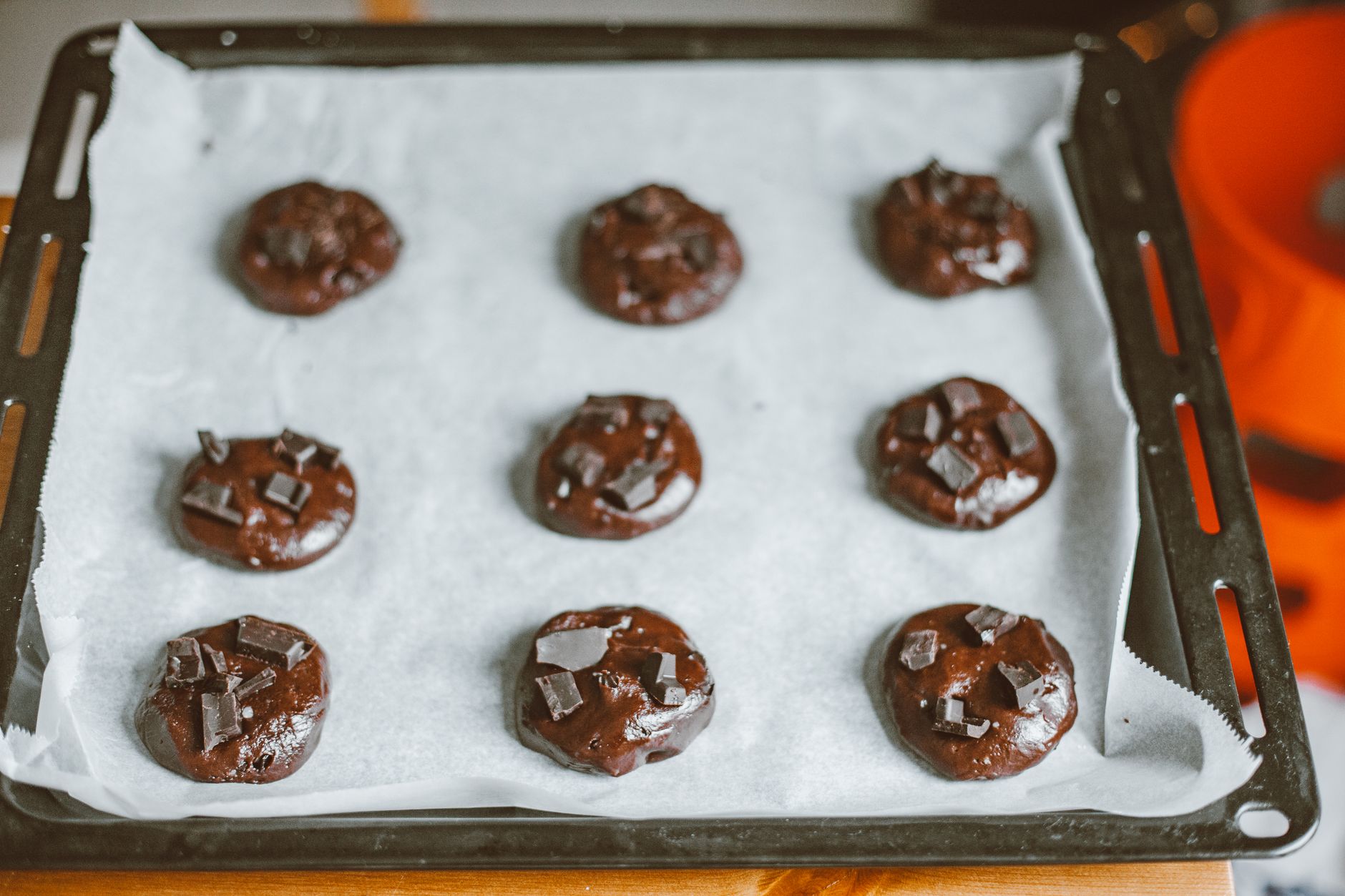
- Cookies: In cookie recipes, shortening can provide a chewy texture. Because it doesn’t spread as much as butter does, cookies made with shortening tend to be thicker.
- Pastries: For flaky pastries like pie crusts, the solid nature of shortening helps create layers by trapping air, leading to a beautifully flaky result.
- Bread: In certain bread recipes, shortening can be used to enrich dough, enhancing its flavor and extending shelf life.
2. Frying
Shortening is an excellent choice for frying due to its high smoke point, which allows for crispier fried foods without imparting flavor. It’s commonly used for frying doughnuts and fried chicken.
3. Sauces and Frostings
Shortening can be used in frostings and creamy sauces to achieve a stable structure, especially in recipes where a spreadable consistency is needed. It also helps keep frostings firm at room temperature.
4. Condiments and Spreads
Some mayonnaise and salad dressings may include shortening for added creaminess and improved emulsification, although traditional recipes may use oil or egg yolk.
Recipe Ideas Featuring Shortening
Now that we’ve established what shortening is used for, let’s explore some specific recipes that highlight its benefits:
Flaky Pie Crust
This classic pie crust recipe emphasizes the use of shortening for a tender, flaky result.
- Yield: 1 double-crust pie
- Preparation Time: 15 minutes
- Resting Time: 30 minutes
- Baking Time: Varies with filling
Ingredients
- 2 ½ cups all-purpose flour
- 1 cup all-vegetable shortening
- 1 teaspoon salt
- 6-8 tablespoons ice water
Essential Equipment
- Mixing bowl
- Pastry cutter or fork
- Rolling pin
- Pie dish
Instructions
- In a mixing bowl, combine flour and salt.
- Add shortening and mix with a pastry cutter or fork until the mixture resembles coarse crumbs.
- Gradually add ice water, one tablespoon at a time, mixing until the dough pulls together.
- Divide the dough in half, shape into discs, wrap in plastic wrap, and refrigerate for at least 30 minutes.
- Roll out each disc to fit your pie dish, fill as desired, and bake according to your pie filling instructions.
Chewy Chocolate Chip Cookies
These cookies demonstrate the chewy texture achievable with shortening.
- Yield: 24 cookies
- Preparation Time: 10 minutes
- Baking Time: 10-12 minutes
Ingredients
- 1 cup all-vegetable shortening
- 1 cup brown sugar, packed
- 1 cup granulated sugar
- 2 large eggs
- 2 teaspoons vanilla extract
- 3 cups all-purpose flour
- 1 teaspoon baking soda
- ½ teaspoon salt
- 2 cups chocolate chips
Essential Equipment
- Mixing bowl
- Electric mixer
- Baking sheets
- Parchment paper (optional)
Instructions
- Preheat your oven to 350°F (175°C).
- In a mixing bowl, cream together shortening, brown sugar, and granulated sugar until smooth.
- Add eggs and vanilla, mixing well until fully incorporated.
- In another bowl, combine flour, baking soda, and salt. Gradually add this dry mixture to the wet mixture.
- Fold in chocolate chips until evenly distributed.
- Drop tablespoons of dough onto prepared baking sheets, spacing them about 2 inches apart.
- Bake for 10-12 minutes or until golden; cool on the sheets for a few minutes before transferring to wire racks to cool completely.
Substitutions and Variations
While shortening is a key ingredient in many recipes, there are alternatives to consider based on dietary preferences or availability:
- Butter: Substituting butter for shortening will yield a slightly different flavor and texture. For most baked goods, use a 1:1 ratio, but note that butter has a higher water content.
- Margarine: A more direct alternative that maintains a similar consistency, margarine can also be used in a 1:1 ratio, although it may alter the final flavor slightly.
- Coconut Oil: While not solid at room temperature, solidified coconut oil can provide a similar fat content and is a favorite for vegan baking. Use in equal amounts, but be mindful of the coconut flavor.
Common Mistakes and Troubleshooting
When using shortening, certain pitfalls can lead to subpar results. Here are some common missteps to avoid:
- Overmixing: Particularly in baking, overworking the dough or batter can lead to dense textures. Mix only until combined for tender results.
- Not Chilling the Dough: For pastries, failing to chill the dough can result in a less flaky outcome. Always adhere to resting times.
- Using Too Much Shortening: Adjusting the amount may lead to overly greasy baked goods. Follow recipes closely for optimal results.
Storage and Reheating Guidance
When it comes to storing shortening:
- Unopened Shortening: Store in a cool, dry place. It can last for years if kept sealed properly.
- Opened Shortening: Once opened, use it within a few months for the best quality. Keep it tightly covered to prevent contamination.
- Using Leftover Baked Goods: Store baked goods made with shortening in an airtight container at room temperature for up to three days, or refrigerate for extended freshness.
Practical Serving Tips
Here are some serving ideas and tips to make the most out of your baked goods made with shortening:
- Pair flaky pie crusts with seasonal fruits or rich creams for a delightful dessert.
- Cookies made with shortening can be fun to customize by adding nuts, dried fruits, or using different flavors of chocolate.
- For cakes, consider layering with various fillings such as whipped cream, fruit preserves, or buttercream for added flavor and flair.
Shortening serves as an impressive culinary tool that significantly influences the texture and flavor of various dishes. By understanding what shortening is used for and how to incorporate it into your recipes, you can enhance your baking prowess and enjoy a variety of delightful treats.
Explore more about shortening in baking or pick up cooking tips to elevate your culinary skills.