
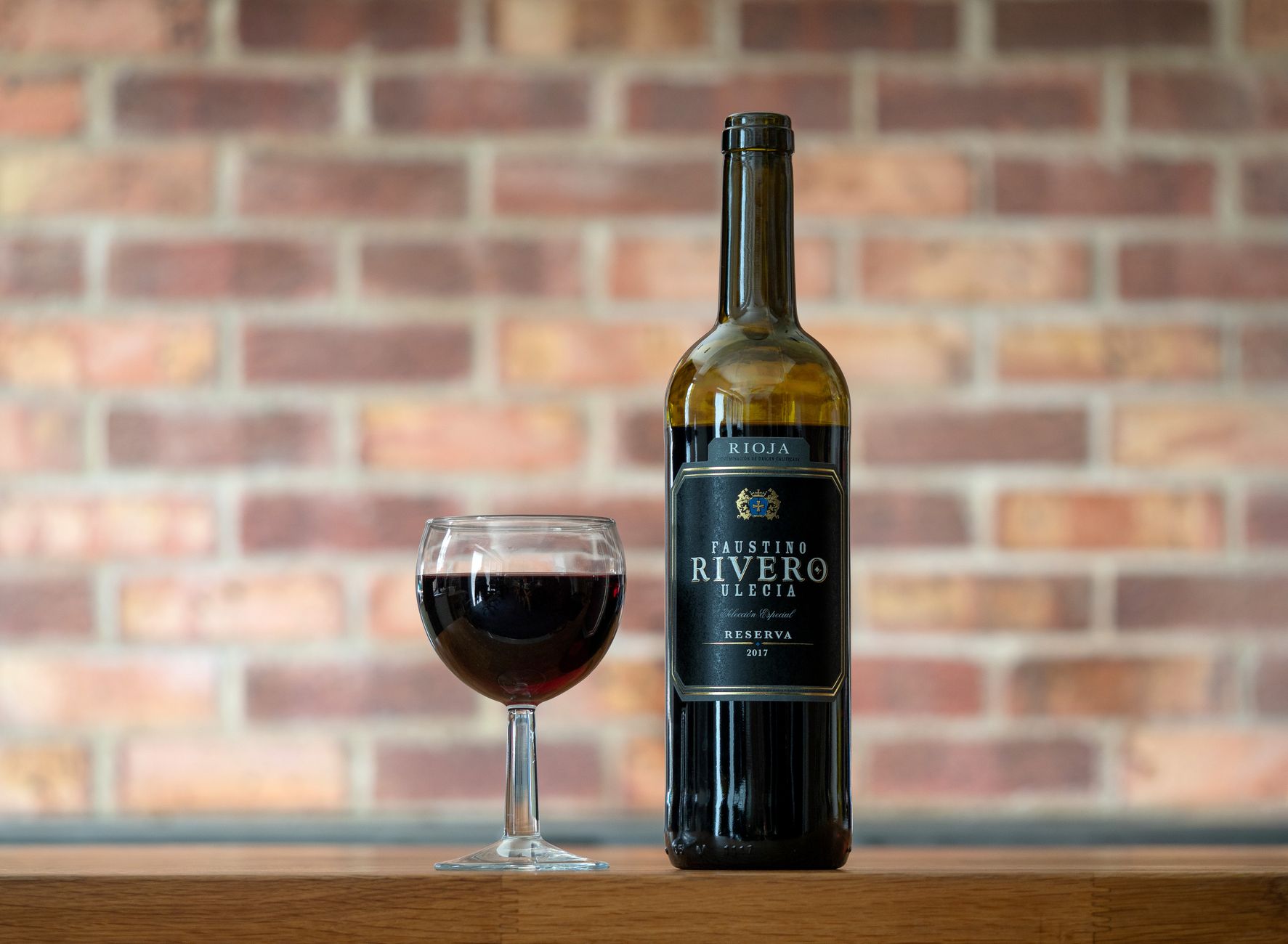
Dry red wine has become increasingly popular for its complex flavors and versatility in food pairings. Understanding what qualifies as a good dry red wine involves exploring its taste profiles, textures, and the ideal dishes that accompaniments enhance. This guidance will help you choose the right wine for any occasion.
In this article, we will delve into the key characteristics of dry red wines, discuss flavor profiles, textures, and suggest suitable food pairings. By the end, you will be better equipped to select a dry red wine that suits your palate and enhances your meal experience.
What Is a Good Dry Red Wine?
A good dry red wine is typically characterized by low residual sugar, medium to high acidity, and notable tannins. These wines can present an array of flavors, including dark fruits, spices, and earthy notes. Notable varieties include Cabernet Sauvignon, Pinot Noir, Merlot, and Syrah.
Flavor Profiles of Dry Red Wines
The flavor profile of a dry red wine can vary significantly depending on the grape variety, region, and winemaking techniques used. Here are some common varieties known for their depth of flavor:
Cabernet Sauvignon
Often regarded as the king of red wines, Cabernet Sauvignon is full-bodied with pronounced tannins. It usually contains notes of blackcurrants, cedar, and spices, making it ideal for pairings with robust meats.
Merlot
Merlot is known for its softer tannins and fruity flavors such as plum and cherry. Its velvety texture makes it a popular choice for those new to red wine and pairs well with pasta dishes and grilled meats.
Pinot Noir
This grape is sensitive to its environment, leading to a range of flavors from fruity cherry and raspberry to earthy leather and mushroom. Ideal for lighter dishes like salmon or roasted chicken, Pinot Noir is favored for its elegance.
Syrah/Shiraz
Hailing from France as Syrah and popular in Australia as Shiraz, this wine is known for its rich, spicy flavors often complemented by a hint of smokiness. It works beautifully with BBQ dishes or hearty stews.
Texture of Dry Red Wines
The texture of a dry red wine plays a crucial role in how it interacts with food. Tannins contribute to wine’s structure and mouthfeel, and variations in acidity can influence the overall impression. Here are the main textural components:
- Tannins: Found in the skins, seeds, and stems of grapes, tannins give wine a drying sensation. Wines with high tannins can be best balanced with fatty foods.
- Acidity: Acidic wines provide freshness and vibrancy. They are effective in cutting through rich, fatty dishes and can rejuvenate the palate.
- Body: Body refers to the weight or fullness of the wine on the palate. Full-bodied wines like Cabernet Sauvignon can stand up to hearty fare, whereas lighter wines like Pinot Noir may pair better with delicate dishes.
Food Pairings with Dry Red Wines
Choosing the right dry red wine depends significantly on the food you plan to serve. A good rule of thumb is to consider the weight of the wine and the dish. Below are some classic pairings for the aforementioned varieties:
Cabernet Sauvignon Pairings
- Grilled Steak: The wine’s tannins complement the rich, fatty flavors.
- BBQ Ribs: The boldness matches well with sweet and smoky barbecue sauces.
- Lamb Chops: A perfect match for the meat’s savory characteristics.
Merlot Pairings
- Roast Chicken: The wine’s fruitiness enhances the flavors of the poultry.
- Pasta with Marinara Sauce: Acidity in the wine balances the tomato sauce.
- Cheesy Dishes: Its smoothness pairs well with a variety of cheeses.
Pinot Noir Pairings
- Salmon: The light body and acidity retain the delicate flavors of the fish.
- Duck: Complements the richness without overpowering.
- Mushroom Risotto: Earthy flavors highlight the complexity in the wine.
Syrah/Shiraz Pairings
- BBQ Port: The wine’s spiciness accentuates the flavors of the meat.
- Beef Stews: Richness pairs elegantly with the deep flavors in the wine.
- Spicy Foods: Its robust character complements spiced dishes like lamb curry.
How to Choose a Good Dry Red Wine
When selecting a good dry red wine, consider the following factors to ensure you choose a wine that matches your taste and occasion:
Understand Your Preferences
Consider what flavors you already enjoy in wine. Do you gravitate towards fruity wines or those with more earthy notes? Test various types to discover your preferences.
Read Labels Carefully
Labels often provide valuable information about the wine’s grape variety, region of origin, and tasting notes. Look for descriptions that appeal to you and steer you towards your preferred flavors.
Try Different Regions
Diverse regions produce different styles of the same grape. For example, Napa Valley Cabernet Sauvignon may taste different from one sourced in Bordeaux due to climate, soil, and production techniques.
Ask for Recommendations
When in a wine store or restaurant, don’t hesitate to ask staff for recommendations based on your tastes and the meals you plan to pair. Their expertise can guide you toward excellent choices.
Common Mistakes When Selecting Dry Red Wine
Even seasoned wine lovers can make mistakes. Here are a few common pitfalls to watch for:
- Choosing Wine Based on Price: More expensive does not always mean better. Taste before you buy if possible.
- Ignoring Food Pairings: Selecting a wine without considering the meal may lead to less-than-optimal flavor combinations.
- Overlooking Vintage: Some wines need time to mature to enhance flavors, while others are best consumed while young.
Storing Dry Red Wine
Proper storage can significantly affect the quality of your wine. Consider these tips:
- Store Upright: Unlike white wines, most dry red wines are best stored upright to prevent cork damage.
- Cool Temperatures: Aim for a consistent temperature of around 55°F (13°C). Avoid areas with temperature fluctuations.
- Avoid Light Exposure: Light can degrade wine quality, so store in a dark place or use tinted bottles.
Serving Dry Red Wine
Serving temperature can influence your wine-drinking experience. Here’s how to serve dry red wine:
- Temperature: Most dry red wines are best served between 60°F and 65°F (15°C to 18°C). If too warm, refrigerate slightly for about 15-20 minutes.
- Decanting: Consider decanting fuller-bodied wines to aerate and enhance their flavors. Aim for at least 30 minutes to an hour before serving.
- Glassware: Using wide-bowled glasses allows more surface area for aromas to bloom, enhancing the overall experience.
Learning More About Dry Red Wine
To deepen your understanding of dry red wines, consider attending wine tastings or joining local wine clubs. These venues often provide guided experiences and tips from professionals. Moreover, visiting vineyards can present a unique opportunity to interact with winemakers and understand the process behind the bottle.
Conclusion
To select a good dry red wine, consider its flavor, texture, and potential pairings with food. With an understanding of various grape varieties and their characteristics, you can confidently make choices that enhance your dining experience. Be sure to taste and explore various options to discover what suits your palate best.
For further exploration, check out our recipes for a Black Manhattan or a Whiskey Sour to complement your wine journey starting right now!