
Managing high cholesterol levels often requires careful attention to diet. Knowing what foods can help improve cholesterol levels and support heart health is essential. This article covers a variety of foods that are beneficial for high cholesterol, detailing their specific components, nutritional benefits, and practical ways to incorporate them into meals.
In addition to understanding which foods to include, it’s important to consider portions, meal planning, and cooking methods that enhance their effectiveness. With this knowledge, achieving and maintaining healthy cholesterol levels can be a more manageable part of daily life.
What Food Are Good for High Cholesterol?
Foods beneficial for high cholesterol include those rich in fiber, omega-3 fatty acids, and healthy fats. These foods can help reduce LDL (bad cholesterol) and promote HDL (good cholesterol) levels. Key categories include fruits, vegetables, whole grains, legumes, nuts, seeds, and fatty fish.
Fruits and Vegetables
Fruits and vegetables are excellent choices for high cholesterol diets due to their rich fiber content, antioxidants, and vitamins. Here are some of the best options:
1. Berries
- Types: Blueberries, strawberries, blackberries, and raspberries.
- Nutritional Benefits: High in fiber and antioxidants. They help reduce cholesterol levels and improve heart health.
2. Apples
- Nutritional Benefits: Rich in soluble fiber, particularly pectin, which can lower cholesterol.
- Serving Suggestion: Enjoy them as a snack, in salads, or blended into smoothies.
3. Citrus Fruits
- Types: Oranges, grapefruits, lemons, and limes.
- Nutritional Benefits: High in vitamin C, fiber, and flavonoids that are beneficial for heart health.
4. Leafy Greens
- Types: Spinach, kale, collard greens, and Swiss chard.
- Nutritional Benefits: Packed with vitamins, minerals, and antioxidants; they may help lower cholesterol levels.
5. Avocados
- Nutritional Benefits: High in monounsaturated fats and fiber, avocados can help reduce LDL cholesterol.
- Cooking Tip: Use them in salads, spreads, or as a creamy base for smoothies.
Whole Grains
Whole grains are another important component in managing cholesterol levels. They are rich in soluble fiber, which can help lower cholesterol. Some great whole grain options include:
1. Oats
- Nutritional Benefits: Oats contain beta-glucan, a type of soluble fiber that can help reduce cholesterol levels.
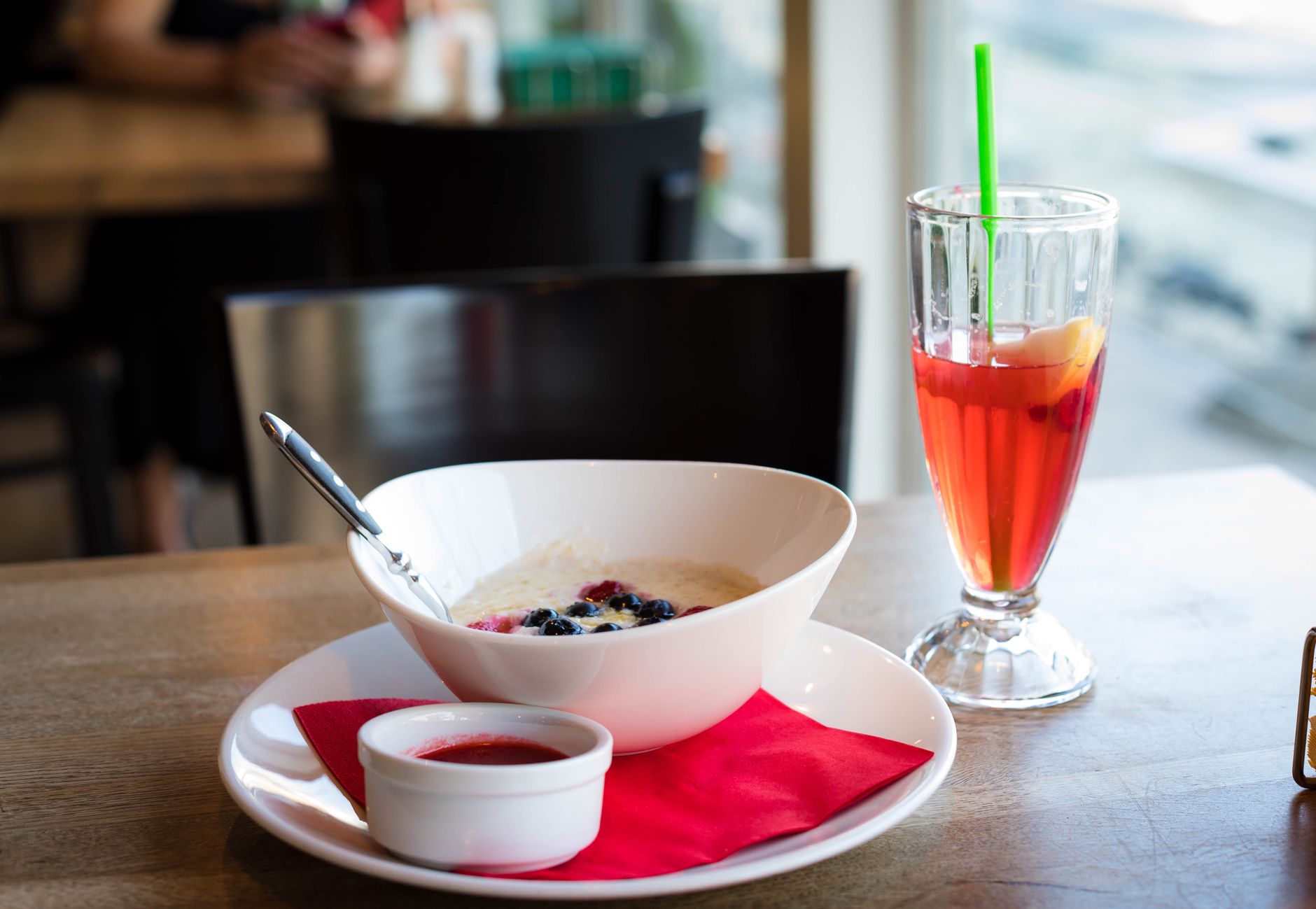
- Serving Suggestion: Start your day with a warm bowl of oatmeal topped with berries or nuts.
2. Barley
- Nutritional Benefits: High in soluble fiber and vitamins, barley can assist in lowering cholesterol levels.
- Cooking Tip: Use barley in soups, stews, or as a hearty side dish.
3. Quinoa
- Nutritional Benefits: Quinoa is protein-rich and contains fiber that helps support heart health.
- Serving Suggestion: Serve it as a base for salads or as a replace for rice or couscous.
Legumes
Legumes are a fantastic source of protein and fiber while being low in fat. Here are some legumes to consider:
1. Lentils
- Nutritional Benefits: Lentils are high in fiber, vitamins, and minerals that support heart health and are effective in lowering cholesterol.
- Cooking Tip: Include them in soups, stews, or salads for added nutrition.
2. Chickpeas
- Nutritional Benefits: Rich in soluble fiber and protein, chickpeas can help reduce LDL cholesterol.
- Serving Suggestion: Use them in hummus, salads, or roasted as a healthy snack.
3. Black Beans
- Nutritional Benefits: High in fiber and protein, black beans can contribute to lowering cholesterol levels.
- Cooking Tip: Include in burritos, salads, or chili dishes.
Nuts and Seeds
Nuts and seeds are powerful sources of healthy fats, fiber, and protein. Here are some great options:
1. Walnuts
- Nutritional Benefits: Walnuts are rich in omega-3 fatty acids, which help lower cholesterol and are good for heart health.
- Serving Suggestion: Snack on them plain or add them to salads and desserts.
2. Almonds
- Nutritional Benefits: Packed with healthy fats, fiber, and vitamin E, almonds can help improve cholesterol levels.
- Cooking Tip: Use them in granola, yogurt, or as a nut butter.
3. Chia Seeds
- Nutritional Benefits: High in fiber and omega-3 fatty acids, chia seeds support heart health and help lower cholesterol.
- Serving Suggestion: Add to smoothies, oatmeal, or make chia pudding.
Fatty Fish
Fatty fish are an excellent source of omega-3 fatty acids, known for their heart health benefits. Consider including these fish in your diet:
1. Salmon
- Nutritional Benefits: Rich in omega-3 fatty acids, which can lower triglycerides and improve heart health.
- Cooking Tip: Grill or bake for a nutritious meal; serve with vegetables or whole grains.
2. Mackerel
- Nutritional Benefits: High in omega-3s and vitamin D; supports overall cardiovascular health.
- Serving Suggestion: Enjoy smoked or grilled with a side salad.
3. Sardines
- Nutritional Benefits: Packed with omega-3 fatty acids and calcium; beneficial for heart health.
- Cooking Tip: Include in salads, pasta, or on whole grain toasts.
Healthy Fats
Incorporating healthy fats into the diet can improve cholesterol levels. Here are some options:
1. Olive Oil
- Nutritional Benefits: Rich in monounsaturated fats and antioxidants, olive oil supports heart health.
- Cooking Tip: Use as a salad dressing or for sautéing vegetables.
2. Flaxseed Oil
- Nutritional Benefits: High in omega-3 fatty acids, flaxseed oil can help lower cholesterol.
- Serving Suggestion: Drizzle on salads or blend into smoothies.
Portions and Meal Planning
Understanding portion sizes is essential for managing dietary intake while focusing on foods that promote good cholesterol levels. Below are some tips for effective meal planning:
1. Create Balanced Meals
- Combine a variety of food groups: Include lean proteins, whole grains, healthy fats, and plenty of fruits and vegetables.
2. Control Portions
- Utilize measuring tools or a food scale to ensure proper servings, especially for nuts and oils which are calorie-dense.
3. Prep Ahead of Time
- Prepare meals in batches or pre-chop vegetables to save time throughout the week. Store portions in labeled containers for easy access.
Cooking Techniques to Consider
The way food is prepared can significantly affect its health benefits. Here are optimal cooking techniques to use for high cholesterol meals:
1. Grilling
Grilling helps reduce fat as excess grease drips away. It also adds a rich flavor without needing excessive oils.
2. Baking
Baking is another healthy method that uses little to no added fats. You can bake fish and vegetables for delicious and nutritious meals.
3. Steaming
Steaming vegetables preserves nutrients and flavor while avoiding added fats. This technique is excellent for a variety of vegetables.
Common Mistakes to Avoid
While focusing on foods that promote heart health, there are common pitfalls to avoid:
- Choosing Too Many Processed Foods: Many processed foods may contain trans fats, which can raise bad cholesterol.
- Ignoring Labels: Always check food labels for hidden sugars and unhealthy fats.
- Overdoing Portions: Even healthy foods can contribute to weight gain if consumed in excess. Stick to recommended serving sizes.
Final Thoughts
Managing high cholesterol through diet involves making mindful choices about the foods we eat. Incorporating fruits, vegetables, whole grains, legumes, nuts, seeds, fatty fish, and healthy fats can promote better cholesterol levels and boost overall health. Consistent meal planning and proper portion control complete the strategy for improved heart health.
For a delicious way to add healthy ingredients to your diet, try including chia pudding made with coconut milk as a satisfying breakfast or snack. Additionally, explore fermented foods for gut health by looking into what foods have probiotics that also support overall wellness.
To enhance your meal planning, consider experimenting with various combination meals that include the recommended foods. Exploring healthy recipes will help you maintain a balanced diet while keeping cholesterol levels in check.