
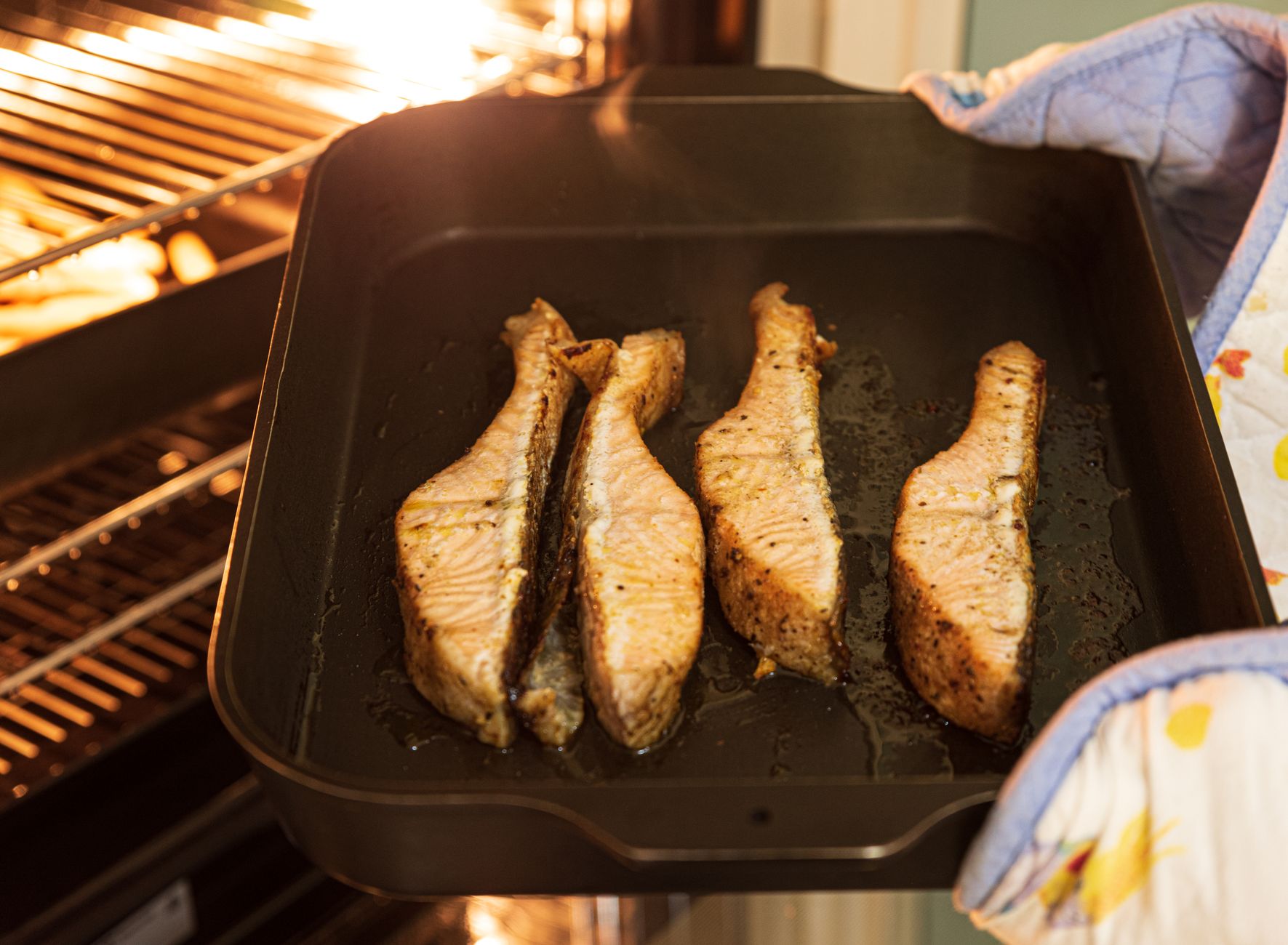
Salmon is a delicious and nutritious fish that can be prepared in countless ways, but baking it is one of the simplest and most effective methods. When baked at 450°F, salmon develops a beautiful golden crust while remaining moist and flaky inside. In this guide, we will explore the ideal cooking times and tips for successfully baking salmon at this high temperature.
Whether you are preparing a quick weeknight dinner or a special occasion meal, understanding how long to bake salmon at 450°F ensures that you’ll achieve perfect results every time. Let’s dive into the details!
How Long To Bake Salmon At 450?
To bake salmon at 450°F, the general rule of thumb is to cook it for 12 to 15 minutes. The cooking time may vary depending on the thickness of the fillet and whether it has skin. Always ensure the salmon reaches a minimum internal temperature of 145°F to ensure it is safe to eat.
Factors Influencing Baking Time
While the 12 to 15 minutes guideline is a great starting point, several factors can influence baking time, including:
- Salmon Thickness: Thicker fillets will naturally take more time to cook than thinner ones. A thicker piece could require up to 18 minutes, while a thinner fillet may only need 10 minutes.
- Fillet vs. Whole Salmon: Baking a whole salmon will obviously take longer than cooking individual fillets. Whole salmon typically requires 20 to 25 minutes at 450°F, depending on its size.
- Skin On vs. Skin Off: Cooking salmon with the skin on can slightly affect the cooking time, as the skin can act as a barrier to heat. You might add an extra minute or two if you’re cooking skin-on fillets.
- Oven Variability: Some ovens do not heat evenly, which can lead to variations in cooking time. Always keep an eye on your salmon and check for doneness a few minutes before the estimated time.
How to Prepare Salmon for Baking
To achieve the best flavor, follow these steps to prepare your salmon:
- Select Quality Salmon: Look for bright pink flesh with minimal browning. Fresh salmon should smell clean and ocean-like, not fishy.
- Thaw if Frozen: Ensure that your salmon is completely thawed before cooking. Thawing can be done overnight in the refrigerator or quickly in cold water.
- Pat Dry: Use paper towels to gently pat the salmon dry. This helps achieve a crusty exterior when baked.
- Season: Season the salmon with salt, pepper, and any additional herbs or spices of your choice. A marinade also adds flavor but consider marinating for only 30 minutes to an hour before cooking to avoid over-flavoring.
Best Baking Method
To bake salmon at 450°F while achieving optimal results, follow these steps:
- Preheat the Oven: Preheat your oven to 450°F. This high temperature is crucial for creating a nice sear and cooking the fish quickly.
- Prepare the Baking Dish: Line a baking sheet with parchment paper or lightly grease it with olive oil to prevent sticking. You can also place the salmon on a wire rack set in the baking sheet for optimal airflow.
- Arrange the Salmon: Place the salmon fillets skin-side down (if applicable) on the baking sheet. Ensure there is some space between the pieces for even cooking.
- Bake: Place the salmon in the oven. Bake for 12 to 15 minutes. Use a food thermometer to check the internal temperature; it should be 145°F when done.
- Resting Time: Remove the salmon from the oven and let it rest for about 5 minutes before serving. This allows the juices to redistribute, enhancing flavor and moisture.
Checking for Doneness
Knowing when your salmon is done is crucial for enjoying it at its best. Here are some signs to look for:
- Internal Temperature: The standard safe temperature for cooked salmon is 145°F. This can be measured with a food thermometer inserted into the thickest part of the fillet.
- Color and Texture: Cooked salmon will no longer be translucent but will appear opaque. It should flake easily with a fork yet still have a tender texture.
- Moistness: While it may seem counterintuitive, overcooking salmon can lead to dryness. A perfectly baked piece will have a slight sheen of moisture on the surface.
Flavoring Options for Baked Salmon
Salmon is a versatile fish that pairs well with a variety of flavors. Here are some popular seasoning and marinade ideas:
- Classic Lemon and Dill: Fresh lemon juice, zest, and dill enhance the fish’s natural flavors.
- Teriyaki Glaze: A sweet and savory glaze makes for a delightful Asian-inspired dish.
- Garlic and Herb Butter: A mixture of butter, minced garlic, and herbs creates a rich topping.
- Spicy Honey Mustard: Mixing honey, mustard, and a touch of spice delivers a flavorful kick.
- Citrus Marinade: Combining orange or lime juice with olive oil, garlic, and herbs allows for a bright, refreshing flavor.
Common Mistakes to Avoid
A few common pitfalls could compromise your baked salmon. Avoid these mistakes for optimal results:
- Overcooking: Salmon can quickly become dry when overcooked. Always start checking for doneness early.
- Underseasoning: While salmon has a great natural flavor, seasoning is essential for enhancing taste. Don’t shy away from salt and spices.
- Skipping the Resting Period: Let your salmon rest after baking—it makes a noticeable difference in flavor and tenderness.
- Not Using a Thermometer: Relying solely on time without measuring the internal temperature may lead to undercooked or overcooked fish.
Serving Suggestions
Baked salmon pairs well with a variety of side dishes. Some great options include:
- Roasted Vegetables: Seasonal veggies such as asparagus, Brussels sprouts, or broccoli provide a healthy contrast.
- Couscous or Quinoa: These grains make a great base, soaking up the flavors of the fish.
- Salads: A fresh green salad or a refreshing cucumber salad complements the richness of the salmon.
- Rice: Fluffy white rice or wild rice pairs nicely with salmon as well.
Storage and Reheating
If you have leftover baked salmon, it can be stored safely in the refrigerator for up to three days. To reheat:
- Cool Completely: Allow the salmon to cool before storing it in an airtight container.
- Reheat in Oven: Preheat the oven to 350°F and place the salmon on a baking sheet. Cover it loosely with aluminum foil to prevent drying. Heat for about 10-15 minutes or until warmed through.
- Microwave Option: While not preferred, you can microwave it on low for about 30 seconds to 1 minute. Be cautious, as this can dry it out.
Practical Tips for Perfect Baked Salmon
To enhance your baking experience, here are a few additional tips:
- Use Fresh Herbs: Fresh herbs provide better flavor than dried ones, making a noticeable difference in taste.
- Experiment with Toppings: Consider adding sliced tomatoes, olives, or feta cheese on top of your salmon before baking for unique flavor combinations.
- Try Different Cuts: Salmon comes in various cuts, including fillets, steaks, and even the tail end. Each has its appeal, and different cooking methods may work better for each.
- Clean Your Oven: A clean oven may cook more evenly by providing stable heat, so keep it maintained.
Conclusion
Baking salmon at 450°F is a straightforward and effective way to create a flavorful and healthy meal. By understanding the factors that influence cooking time and taking the necessary steps to prepare and season the fish, you can easily cook salmon to perfection, whether for a family dinner or a special gathering. Remember to always check for doneness and enjoy the delightful results!
For more tips on cooking different proteins, check out guides like how long to bake chicken legs at 400°F or how long to cook tilapia.