
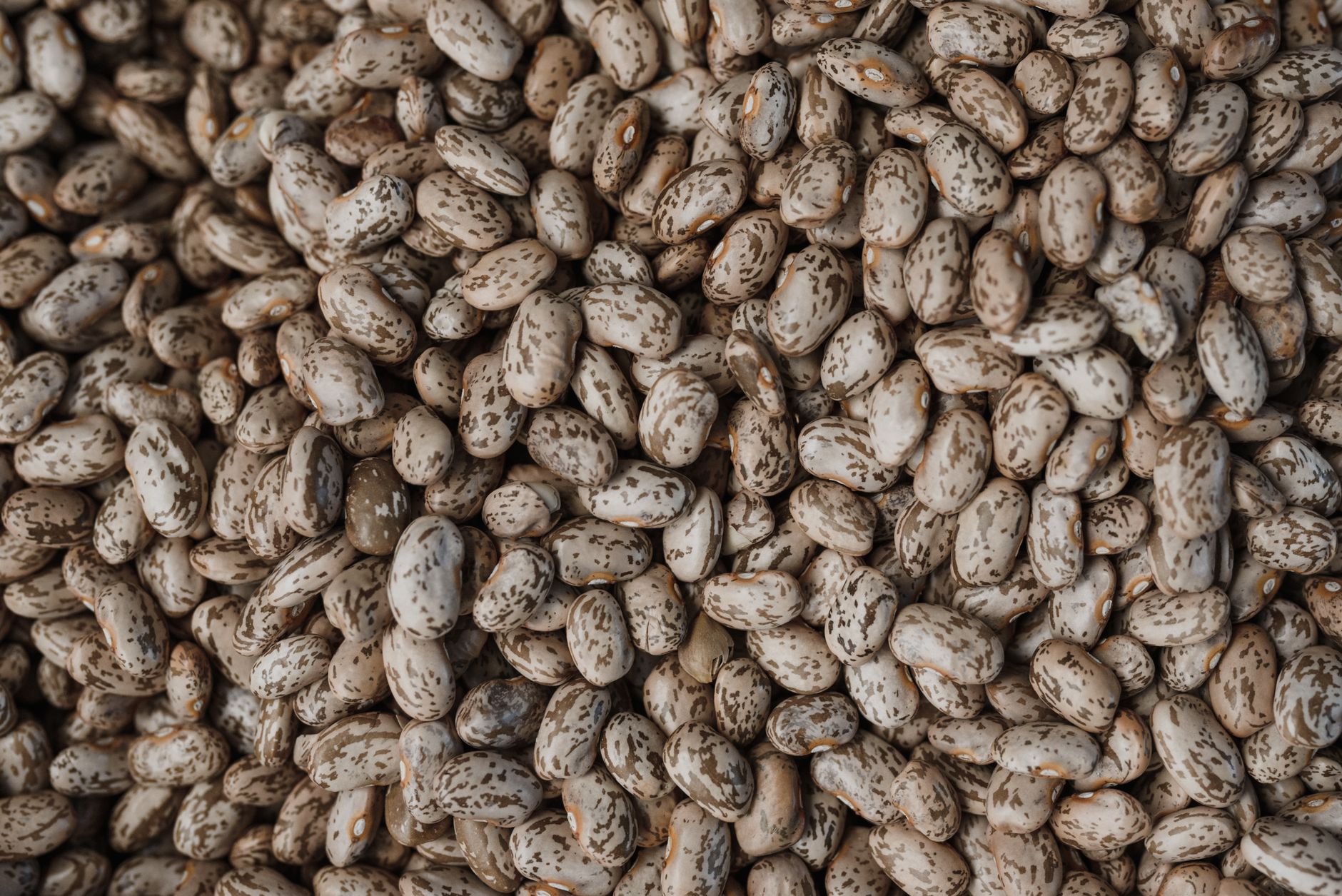
When deciding between black beans and pinto beans, many health-conscious individuals wonder which option offers superior nutritional benefits. While both types of beans are versatile and can enhance a variety of dishes, their nutritional profiles vary slightly. Understanding these differences can help you make informed choices for your diet.
This article will delve into the nutritional facts of black beans and pinto beans, comparing their fiber content, protein levels, vitamins, and minerals. We will also discuss culinary applications, preparation methods, and practical tips for incorporating these legumes into your meals.
Is Black Beans or Pinto Beans Healthier?
Black beans and pinto beans are both packed with nutrients, but black beans tend to have slightly higher fiber and antioxidant levels. Pinto beans offer more folate and magnesium. Ultimately, the choice depends on your dietary needs and taste preferences.
Nutritional Overview of Black Beans and Pinto Beans
To help you better understand the differences between black beans and pinto beans, let’s take a closer look at their nutritional content per cooked one-cup serving.
| Nutrient | Black Beans (1 cup) | Pinto Beans (1 cup) |
|---|---|---|
| Calories | 227 | 245 |
| Protein | 15.2 g | 12.3 g |
| Carbohydrates | 40.4 g | 45.3 g |
| Fiber | 15 g | 13.1 g |
| Fat | 0.9 g | 0.9 g |
| Folate | 256 mcg | 294 mcg |
| Magnesium | 60 mg | 76 mg |
| Iron | 3.6 mg | 3.6 mg |
| Potassium | 611 mg | 746 mg |
Health Benefits of Black Beans
Black beans are a powerhouse of nutrition. Their health benefits are linked to their high fiber content, which aids digestion and can contribute to weight management. Here are some notable health advantages:
- Rich in Antioxidants: Black beans contain anthocyanins, powerful antioxidants that may help reduce inflammation and combat oxidative stress.
- Heart Health: The fiber and potassium content support cardiovascular health by helping to maintain healthy cholesterol levels and blood pressure.
- Blood Sugar Control: The combination of fiber and protein can help stabilize blood sugar levels, making black beans a good option for individuals with diabetes.
Health Benefits of Pinto Beans
Pinto beans are also highly nutritious and provide several health benefits. Some of the key advantages include:
- High in Folate: Pinto beans are an excellent source of folate, essential for DNA synthesis and repair, making them important for pregnant women and individuals looking to support cellular health.
- Good Source of Magnesium: The magnesium in pinto beans aids in energy production, muscle function, and maintaining normal nerve function.
- Support Weight Management: The fiber content in pinto beans promotes satiety, helping to control appetite and manage weight.
Culinary Applications
Both black beans and pinto beans are versatile foods that can be used in a variety of dishes. Here are some popular ways to incorporate each into your cooking:
Black Beans
- Black Bean Soup: A comforting dish that combines black beans with spices and vegetables for a hearty meal.
- Black Bean Tacos: Perfect for a quick meal, topped with salsa, avocado, or fresh vegetables.
- Black Bean Salad: A refreshing option mixed with corn, bell peppers, and a light vinaigrette.
Pinto Beans
- Pinto Bean Chili: A flavorful dish that highlights pinto beans in a rich tomato sauce, often with ground meat or vegetables.
- Refried Pinto Beans: A staple in Mexican cuisine, commonly served as a side dish or spread.
- Pinto Bean Burritos: Stuffed with cheese, rice, and other fillings, making for a satisfying meal.
Preparation Methods
Preparation is essential to enhancing the flavor and texture of beans. Both black and pinto beans can be prepared from scratch or bought canned. Here’s how to prepare them from dried beans:
Cooking Dried Beans
- Sort and Rinse: Check for any debris or damaged beans, then rinse them under cool water.
- Soak the Beans: Soak overnight in a pot of water to reduce cooking time (optional but recommended). For a quicker method, you can use the quick soak method: bring beans and water to a boil, remove from heat, and let sit for one hour.
- Drain and Rinse: After soaking, drain the beans and rinse them again.
- Cook the Beans: In a large pot, combine beans with fresh water (about three cups of water for every cup of soaked beans). Bring to a boil, then reduce heat and simmer until tender, usually around 1-2 hours for black beans and slightly longer for pinto beans.
- Season: Add salt and any seasonings toward the end of cooking to avoid toughening the beans.
Both types of beans can also be cooked in a pressure cooker for a much quicker preparation time. Canned beans can be used directly from the can after rinsing to remove excess sodium.
Substitutions and Variations
While black beans and pinto beans can often be used interchangeably, here are some considerations:
- Texture: Black beans are firmer and hold their shape well, which makes them suitable for salads or veggie burgers. Pinto beans are creamier when cooked, making them ideal for refrying or pureeing.
- Flavor: Black beans have a slightly earthier flavor, while pinto beans offer a mild, nutty taste. Consider this when crafting flavor profiles for your dishes.
- Color: The distinct colors of each bean can add visual interest to your meals. Black beans can enhance the color contrast in a salad, while pinto beans can blend beautifully in chili.
Common Mistakes and Troubleshooting
When cooking beans, several common mistakes can affect the final product:
- Not Soaking Dried Beans: Skip soaking at your own risk; soaking helps reduce cooking time and can improve digestibility.
- Adding Salt Too Early: Adding salt too early can prevent beans from softening. Always salt them toward the end of the cooking process.
- Overcooking: Keep an eye on cooking times—overcooked beans can turn mushy and lose their texture.
Storage and Reheating
Proper storage can help you enjoy your beans for longer:
- Cooked Beans: Store cooked beans in an airtight container in the refrigerator for up to a week, or freeze them for 3-6 months.
- Reheating: Reheat cooked beans in a saucepan over medium heat, adding a little water to maintain moisture. Beans can also be reheated in the microwave, but be sure to cover them to avoid drying out.
Conclusion
Whether you opt for black beans or pinto beans, both are excellent choices packed with nutritional benefits. Black beans provide more fiber and antioxidants, while pinto beans offer a higher level of folate and magnesium. The best choice will depend on your taste preferences and dietary needs. Incorporating either or both into your meals can lead to delicious and nourishing dishes.
For more delicious bean recipes, consider exploring our Southern Pinto Beans recipe or the flavorful Refried Black Beans recipe.