
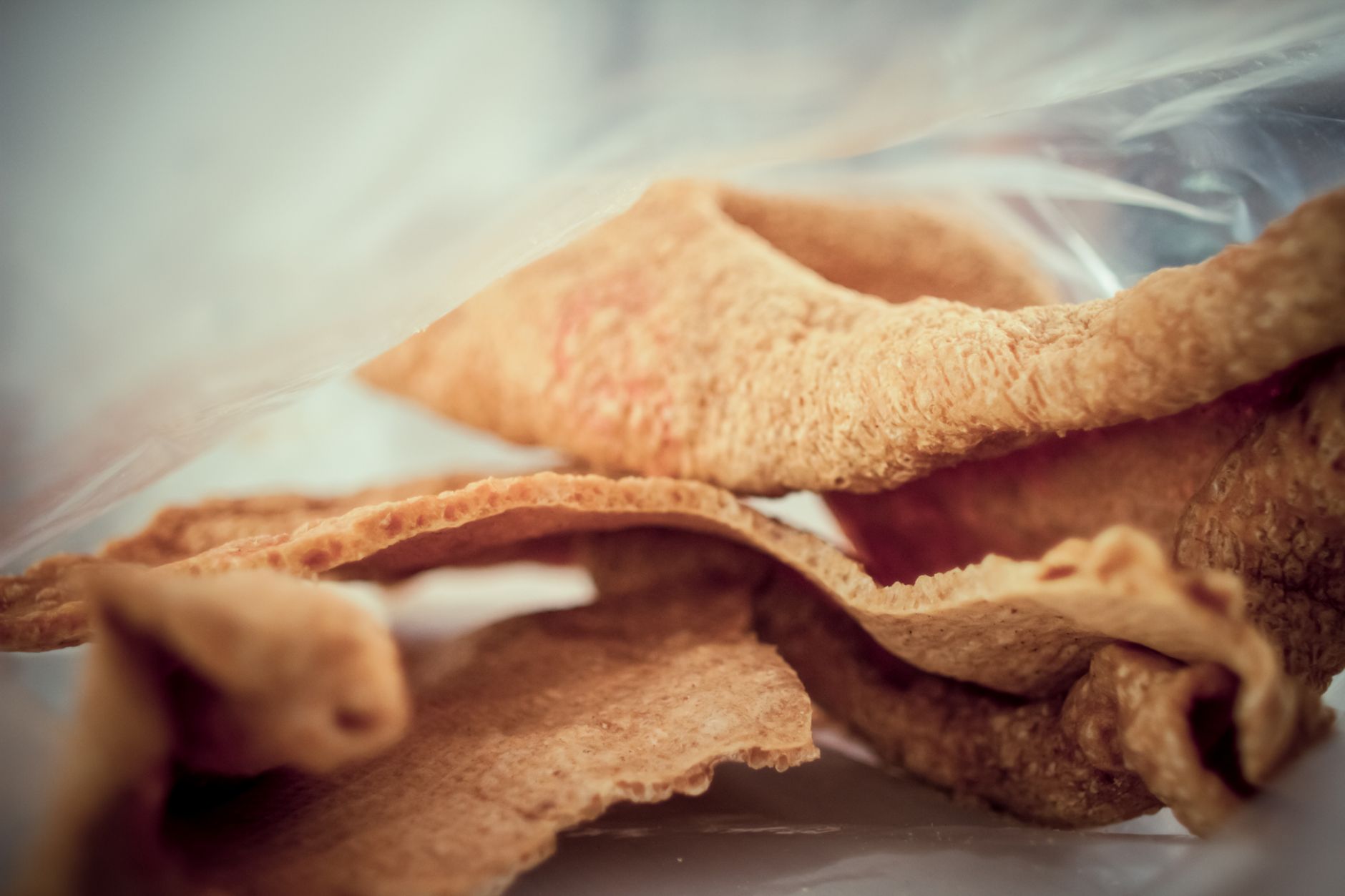
Pork rinds have gained popularity as a crispy and savory snack, but many people may wonder what they are made from. Understanding the composition of pork rinds allows consumers to appreciate this crunchy treat and explore various recipes and serving options. In this article, we will delve into the ingredients, preparation methods, and serving tips for pork rinds.
Pork rinds, also known as chicharrones, are made from the skin of pigs. They undergo a specific cooking process that transforms the raw skin into crispy, crunchy morsels. This article will cover not only what pork rinds are made from but also how they are prepared and how they can be enjoyed.
What Are Pork Rinds Made From?
Pork rinds are primarily made from the skin of pigs. The skin is a fibrous layer that contains little meat and a significant amount of collagen. When cooked properly, the collagen breaks down, and moisture is evaporated, resulting in the crunchy texture known as pork rinds. The ingredients may include:
- Pork skin
- Salt
- Seasoning (optional)
Many commercial pork rinds also include flavorings and preservatives to enhance taste and increase shelf life. The type of seasoning added can vary widely, ranging from simple salt to complex spice blends, which allows for various flavors such as barbecue, spicy, or even cheesy.
The Preparation Process
The process of making pork rinds involves several steps, whether done at home or commercially. Here’s a general overview of how pork rinds are prepared:
- Selection of Skin: Fresh pork skin is chosen, typically taken from the back of the pig. The skin should be free of excess fat for the best results.
- Cleaning: The pork skin is thoroughly cleaned to remove any impurities or hair. This step is crucial for achieving a crispy texture.
- Boiling: The cleaned skin is boiled in saltwater until tender. This step helps to break down collagen and softens the skin for easier processing.
- Cutting: Once boiled, the pork skin is cut into desired shapes and sizes. Traditional shapes include strips or squares.
- Drying: The cut pieces are spread out and dried thoroughly. This step can involve air drying or using a dehydrator. Proper drying is essential for achieving the desired crunch.
- Frying: The dried skin is then fried in hot oil until it puffs up and turns golden brown. The frying process removes any remaining moisture and gives pork rinds their signature texture.
- Seasoning: After frying, the pork rinds are often tossed with spices and seasonings to enhance their flavor before packaging or serving.
Flavor and Texture
Pork rinds are celebrated for their unique flavor and texture. The initial crunch provides a satisfying bite, while the salty, savory taste makes them an addictive snack. Their texture is light and airy due to the way they puff during frying. The flavors can vary widely depending on the seasoning used, which can range from traditional salt to gourmet flavors.
Serving Suggestions
Pork rinds can be enjoyed in various ways. They can serve as snacks on their own or be incorporated into different dishes. Here are some practical serving suggestions:
- As a Snack: Pork rinds can be enjoyed straight from the bag as a crunchy snack, making them a popular choice for those following low-carb or ketogenic diets.
- Dips and Salsas: Serve with dips such as guacamole, salsa, or cheese dip. The crunch of the rinds pairs well with creamy or flavorful dips.
- In Salads: Crushed pork rinds can be added to salads for an extra crunch, replacing croutons or adding a protein boost.
- In Recipes: Use crushed pork rinds in recipes as a breading for meats, adding crispiness and flavor without the carbs of traditional breadcrumbs.
- With Charcuterie Boards: Include pork rinds on a charcuterie board alongside cheeses, meats, and pickles for a unique addition.
Health Considerations
While pork rinds can be a tasty snack, it’s important to consider their nutritional profile. They are high in protein and fat, making them filling but also calorie-dense. Depending on the serving size and flavorings, they may also be high in sodium. Always check the nutritional label for specific items if you are watching your intake.
Common Mistakes in Making Pork Rinds
If you decide to make pork rinds at home, there are several common mistakes to avoid:
- Not Cleaning the Skin Properly: Improper cleaning can lead to an undesirable taste or texture.
- Inadequate Drying: If the skin is not dried thoroughly before frying, they may not puff properly or may become soggy.
- Using Too Low Heat: Frying at too low a temperature can lead to grease absorption instead of a crispy texture.
- Overseasoning: Adding too many spices can overwhelm the natural flavor of the pork skin. Start with a little and adjust to taste.
Storage and Shelf Life
If you have leftover pork rinds, proper storage is crucial for maintaining their crunchiness. Store them in an airtight container at room temperature. Do not refrigerate, as moisture can make them soft. When stored correctly, pork rinds can last for several weeks. However, always check for signs of staleness before consuming.
DIY Pork Rinds Recipe
If you’re intrigued by the idea of making your own pork rinds at home, here’s a straightforward DIY recipe:
Ingredients
- 1 pound pork skin (with little fat)
- 1 tablespoon salt (plus more for seasoning)
- Vegetable oil for frying
- Optional: seasonings such as paprika, garlic powder, or chili powder for flavor
Essential Equipment
- Large pot for boiling
- Sharp knife for cutting
- Dehydrator or oven for drying
- Deep fryer or heavy skillet for frying
- Airtight container for storage
Instructions
- Clean the pork skin thoroughly under cold water, removing any hair or impurities.
- Cut the skin into manageable pieces, about 3 inches square.
- In a large pot, boil the pork skin in salted water for 1-2 hours or until tender, ensuring the skin is submerged.
- Remove the skin from the pot, and place it on a drying rack to air dry. Optionally, use a dehydrator set to low for a few hours.
- Once dried, heat oil in a frying pan or deep fryer to 350°F (175°C).
- Fry the dried skin pieces in batches until they puff up and turn golden brown, usually 2-3 minutes.
- Remove from the oil and drain on paper towels. Season immediately with salt or desired spices.
- Let cool and store in an airtight container when fully cooled.
Variations of Pork Rinds
As pork rinds have gained popularity, various adaptations have emerged. Here are some interesting variations you might encounter:
- Flavored Pork Rinds: Many brands offer unique flavors like spicy jalapeño, barbecue, or even cinnamon-sugar.
- Baked Pork Rinds: A healthier alternative made by baking instead of frying. These still retain a crunchy texture but are lower in fat.
- Pork Cracklings: Similar to pork rinds but often contain more meat attached, offering a different texture and taste experience.
Conclusion
Pork rinds are a flavorful and versatile snack made primarily from pork skin. Their crispy texture and savory taste make them a delightful addition to many dishes or a satisfying standalone snack. With some knowledge of preparation methods and serving ideas, anyone can enjoy pork rinds at home or as part of a meal.
For those interested in exploring more pork recipes, consider checking out our guides on how to make delicious pork cutlets or boneless pork ribs for a full meal experience.