
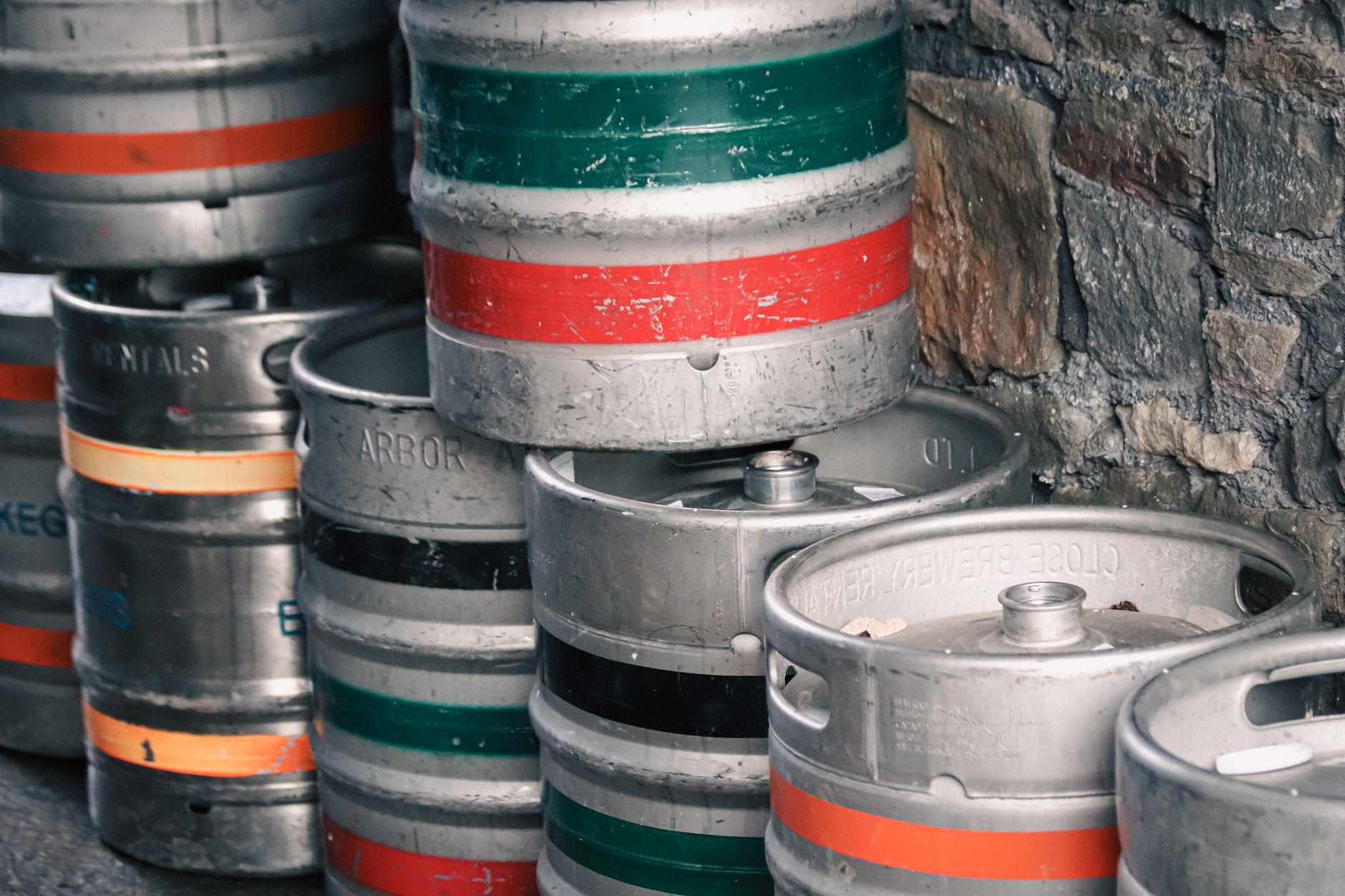
Understanding keg measurements is crucial for anyone planning a party or a gathering. A half keg is a popular choice for those serving beer at events, and knowing how many gallons it holds can help you calculate the right amount of beverages for your guests. In this guide, we’ll explore the details around half kegs, including their volume, the types of beer you might consider, and tips for serving.
Whether you’re a seasoned host or planning your first large gathering, having the right knowledge about kegs and their measurements can save you time and ensure a smooth event. Let’s dive into how many gallons are in a half keg and other important considerations.
How Many Gallons in a Half Keg?
A half keg, also known as a “full-size keg,” holds 15.5 gallons (or 58.67 liters) of beer. This measurement is standard across most breweries and is commonly used in the United States. When planning for a keg party, this amount easily serves a crowd of about 165 12-ounce beers.
The Importance of Keg Sizes
Choosing the right keg size is vital for several reasons, including budget, space, and the scale of your gathering. Understanding keg sizes helps in estimating costs and ensuring that everyone enjoys themselves without running out of their favorite beverages.
Types of Kegs
- Half Keg: 15.5 gallons (58.67 liters), about 165 servings of 12 oz beers.
- Quarter Keg: 7.75 gallons (29.33 liters), roughly 82 servings of 12 oz beers.
- Sixth Keg: 5.16 gallons (19.53 liters), approximately 55 servings of 12 oz beers.
Understanding Beer Styles and Choices
When selecting beer for a half keg, consider the different styles and types available. Each type comes with its own flavor profile and experience.
Common Beer Styles for Half Kegs
- Lager: A light, crisp option that is highly drinkable.
- Ale: Offers a range of flavors, generally more robust than lagers.
- IPA: Known for its hoppy flavors; a favorite for craft beer drinkers.
- Stout: Dark and rich, stouts provide a different taste experience.
- Wheat Beer: Light and refreshing; perfect for warm-weather gatherings.
How to Calculate the Right Amount of Beer
Determining how much beer to serve can be tricky. Here are some tips to help you calculate the right amount for your gathering.
Consider Your Guests
Think about how many people you’ll be hosting and the duration of your gathering. A typical estimation is that guests will drink about two beers for the first hour and then one beer for each additional hour. For example, if you expect 20 guests for a four-hour party, you can estimate:
- 2 beers x 20 guests (first hour) = 40 beers
- 1 beer x 20 guests (additional three hours) = 60 beers
- Total: 40 + 60 = 100 beers
With about 165 12-ounce servings in a half keg, you would easily have enough for this calculation.
Guest Preferences
Different guests may have varying preferences. Offering a selection of beer styles can help increase enjoyment and reduce waste. Consider labeling beers or having a tasting station for those who might like to sample various options.
Tips for Serving from a Keg
Serving beer from a keg requires a few essential items and some basic know-how to ensure you provide the best experience for your guests.
Essential Equipment for Keg Service
- Keg Tap: Necessary for dispensing beer from the keg.
- CO2 Tank: Helps maintain carbonation in the beer.
- Beer Lines: Connect the keg to the tap.
- Ice or Keg Cooler: Keeps the keg at the right temperature.
Setting Up Your Keg
- Place the keg in a cool area, ideally at about 38°F (3°C) for optimal beer temperature.
- Connect the CO2 tank to the keg tap and set your pressure. Generally, 10-15 psi is recommended.
- Allow the keg to cool for a few hours before the event, so the beer is at a desirable temperature.
- Once your keg is ready, open the tap slowly to avoid foam.
Common Mistakes When Serving Keg Beer
Even seasoned hosts can make missteps when serving beer from a keg. Here are some common mistakes to avoid for a smoother service.
Forgetting to Chill the Keg
Always allow ample time for the keg to chill. A warm keg can lead to excessive foam and an unpleasant drinking experience.
Improper Carbonation Levels
Check your CO2 levels before the event to ensure your beer stays bubbly. Incorrect pressures can lead to flat beer or excessive foam.
Poor Line Setup
Ensure beer lines are clean and free from obstructions, as dirty lines can affect the taste and quality of the beer.
Storage and Handling of Kegs
If you have leftover beer, knowing how to store kegs properly is essential for ensuring quality. Here’s what you need to know:
Post-Event Storage
- A tapped keg generally lasts about 24-48 hours at room temperature; however, once chilled and tapped, it should be consumed within a week for the best flavor.
- If you plan to use the keg again, store it in a refrigerator or keg cooler where it remains cold.
Conclusion
Understanding how many gallons are in a half keg and how to manage it effectively can enhance your hosting capabilities tremendously. With 15.5 gallons at your disposal, you’re well on your way to a successful gathering! Keep in mind the guest count, beer preferences, and proper serving techniques for an enjoyable event.
Look into further resources on party planning and drink selections to create a superb experience for your guests. Whether you’re looking for tips on drink pairings, budgeting for events, or food and drink harmonizations, having a solid plan will ensure a memorable occasion. Explore more about these topics to enhance your hosting skills and beverage knowledge.