
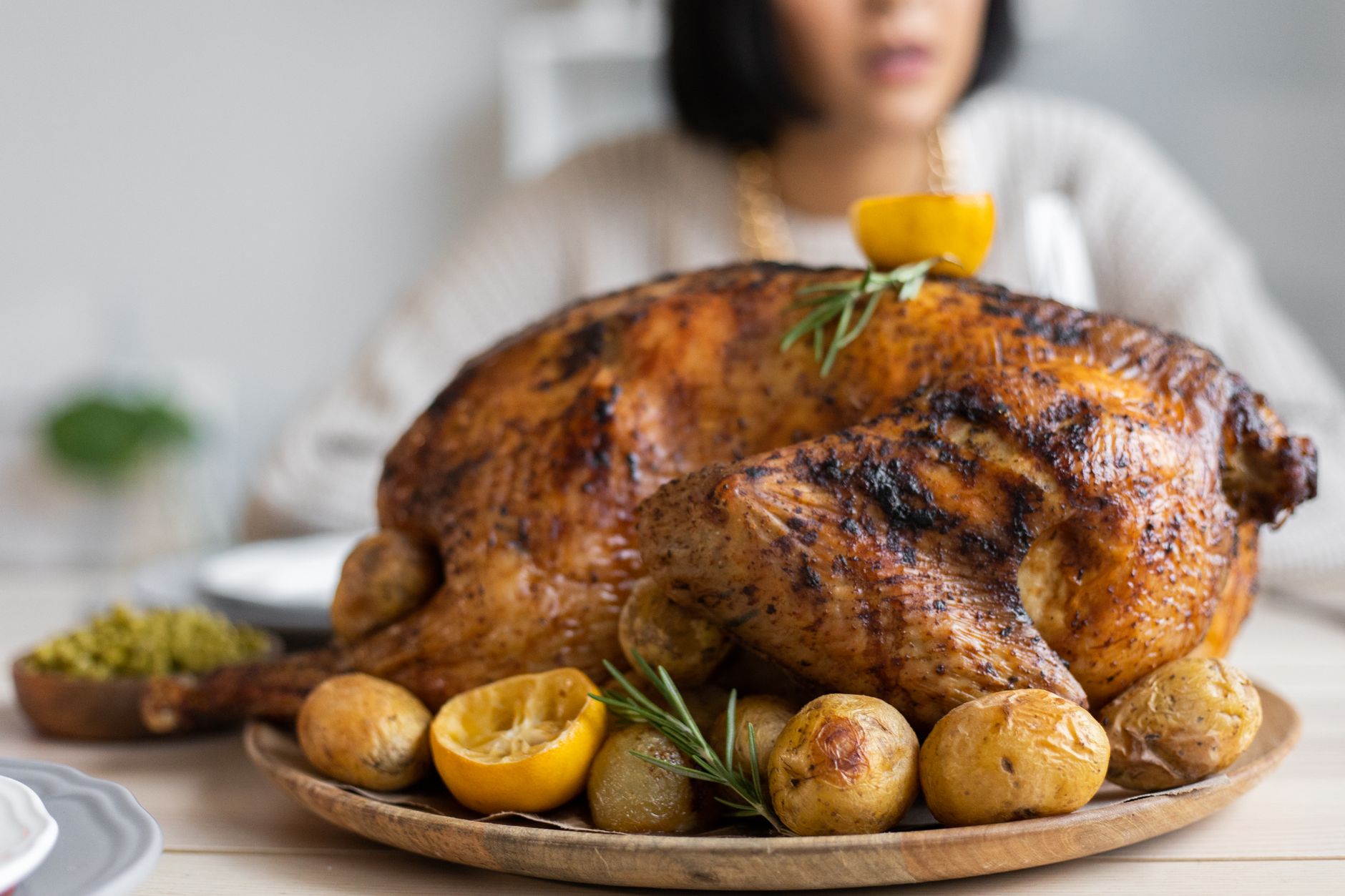
Cooking a turkey can be one of the most rewarding yet daunting culinary tasks, especially when it comes to special occasions like Thanksgiving. Knowing the right cooking time is crucial to ensure that your turkey is perfectly cooked—juicy on the inside and golden brown on the outside.
In this article, we’ll focus on how long to cook a 12 lb turkey at 325 degrees Fahrenheit, covering recommended times, methods, and tips for ensuring your turkey is done to perfection.
How Long to Cook a 12 Lb Turkey at 325?
To cook a 12 lb turkey at 325°F, you should plan on roughly 3 to 3.5 hours of cooking time if the turkey is unstuffed, and about 3.5 to 4 hours if it is stuffed. These times will vary depending on the specific oven and the turkey itself, so it’s essential to use a meat thermometer for precise cooking.
Understanding Cooking Time
When it comes to roasting a turkey, several factors come into play that can affect the cooking time:
- Oven Temperature: Consistent oven heat at 325°F is essential for even cooking.
- Turkey Weight: A general rule of thumb is to allow 13-15 minutes for every pound for unstuffed birds and 15-17 minutes for stuffed ones.
- Starting Temperature: If your turkey is frozen, it will take significantly longer to cook; ensure it is fully thawed before roasting.
- Rest Time: After cooking, let the turkey rest for at least 20 minutes to allow the juices to redistribute.
Preparation Steps for your 12 lb Turkey
Preparing your turkey properly can ensure that it cooks evenly and tastes delicious. Follow these steps for a well-prepared bird:
- Thawing: If using a frozen turkey, thaw it in the refrigerator, allowing about 24 hours of thawing time for every 4-5 pounds. For a 12 lb turkey, this means you’ll need around 2-3 days.
- Cleaning: Remove the turkey from its packaging and take out the giblets and neck from the body cavity. Rinse the turkey inside and out with cold water and pat it dry with paper towels.
- Seasoning: Season the turkey generously with salt, pepper, and any herbs or spices of your choice. Common options include rosemary, thyme, garlic powder, and onion powder. You can also consider seasoning under the skin for deeper flavor.
- Stuffing (Optional): If you’re making a stuffed turkey, make sure the stuffing is prepared just before cooking and loosely packed inside the turkey cavity. Avoid over-stuffing, as this can affect cooking time and evenness.
- Trussing: Truss the turkey legs with kitchen twine to ensure that it cooks evenly. This helps the bird retain moisture and improves the presentation.
Roasting Methods
Roasting is the most traditional method for cooking turkey, allowing for a crispy skin and juicy meat. Here’s how to do it:
Traditional Oven Roasting
Using a conventional oven is one of the most common ways to roast a turkey. Here’s how:
- Preheat the Oven: Preheat your oven to 325°F. This ensures that your turkey starts cooking immediately.
- Prepare the Pan: Place the turkey in a large roasting pan, breast-side up. A rack can be used to elevate the turkey slightly.
- Roasting: Calculate cooking time based on whether the turkey is stuffed or unstuffed. For a 12 lb unstuffed turkey, aim for approximately 3 to 3.5 hours, while for a stuffed turkey, allow about 3.5 to 4 hours.
- Check Temperature: The turkey is done when the internal temperature at the thickest part of the thigh reaches 165°F. Use a meat thermometer to check for doneness.
- Rest the Turkey: Once cooked, let the turkey rest covered loosely with aluminum foil for at least 20 minutes before carving. This step helps the juices redistribute, ensuring moist meat.
Using a Meat Thermometer
A meat thermometer is an essential tool for cooking turkey safely and effectively.
- Insert the thermometer in the thickest part of the thigh without touching the bone.
- For stuffed turkeys, check the temperature in the center of the stuffing, which should also read 165°F.
Common Mistakes to Avoid
To ensure a successful turkey dinner, avoid these common pitfalls:
- Not Thawing the Turkey: A frozen turkey can take several additional hours to cook, often leading to an undercooked bird.
- Overstuffing: Ensure your stuffing is loosely packed. This allows it to cook evenly and reach a safe temperature.
- Opening the Oven Door Too Frequently: Every time the oven door opens, the temperature drops, leading to uneven cooking. Limit how often you check on the turkey.
- Not Allowing the Turkey to Rest: Carving immediately can lead to dry meat. Always allow your turkey to rest.
Serving and Storing Leftovers
Once your turkey is perfectly cooked and rested, it’s time to carve and serve. Here are tips for serving and storing:
How to Carve a Turkey
Carving a turkey can be intimidating. Here’s a simple method:
- Using a sharp knife, begin by removing the legs and thighs first. Cut through the joint that connects them to the body.
- Next, slice the breast meat, starting at the top and working your way down on either side of the breastbone.
- Arrange the slices on a platter and serve with your favorite sides.
Storing Leftovers
To safely store leftover turkey:
- Refrigerate within 2 hours of cooking in shallow, airtight containers.
- Consume leftovers within 3-4 days, or freeze for longer storage while ensuring an airtight seal.
Common Turkey Cooking Variations
While roasting is traditional, there are several other methods you might consider:
Deep Frying
Deep frying a turkey is a popular alternative that yields a crispy skin and juicy interior. While it requires additional equipment and safety precautions, it can be a fun and flavorful way to prepare your bird. If you want to learn more about deep frying, check out our article on how long to deep fry a turkey.
Grilling or Smoking
Grilling or smoking can impart unique flavors to your turkey. While cooking times will vary, using indirect heat is the best approach for these methods, ensuring even cooking. Be prepared to monitor temperatures closely and maintain a consistent grill temperature.
Conclusion
Cooking a 12 lb turkey at 325°F typically takes 3 to 3.5 hours if unstuffed and 3.5 to 4 hours if stuffed. The key to a perfectly cooked turkey lies in careful preparation, proper timing, and, most importantly, using a meat thermometer to check for doneness.
For more insights on cooking turkey or meal planning, consider exploring our guides on how to cook turkey per pound and tips for deep frying turkey at special occasions.