
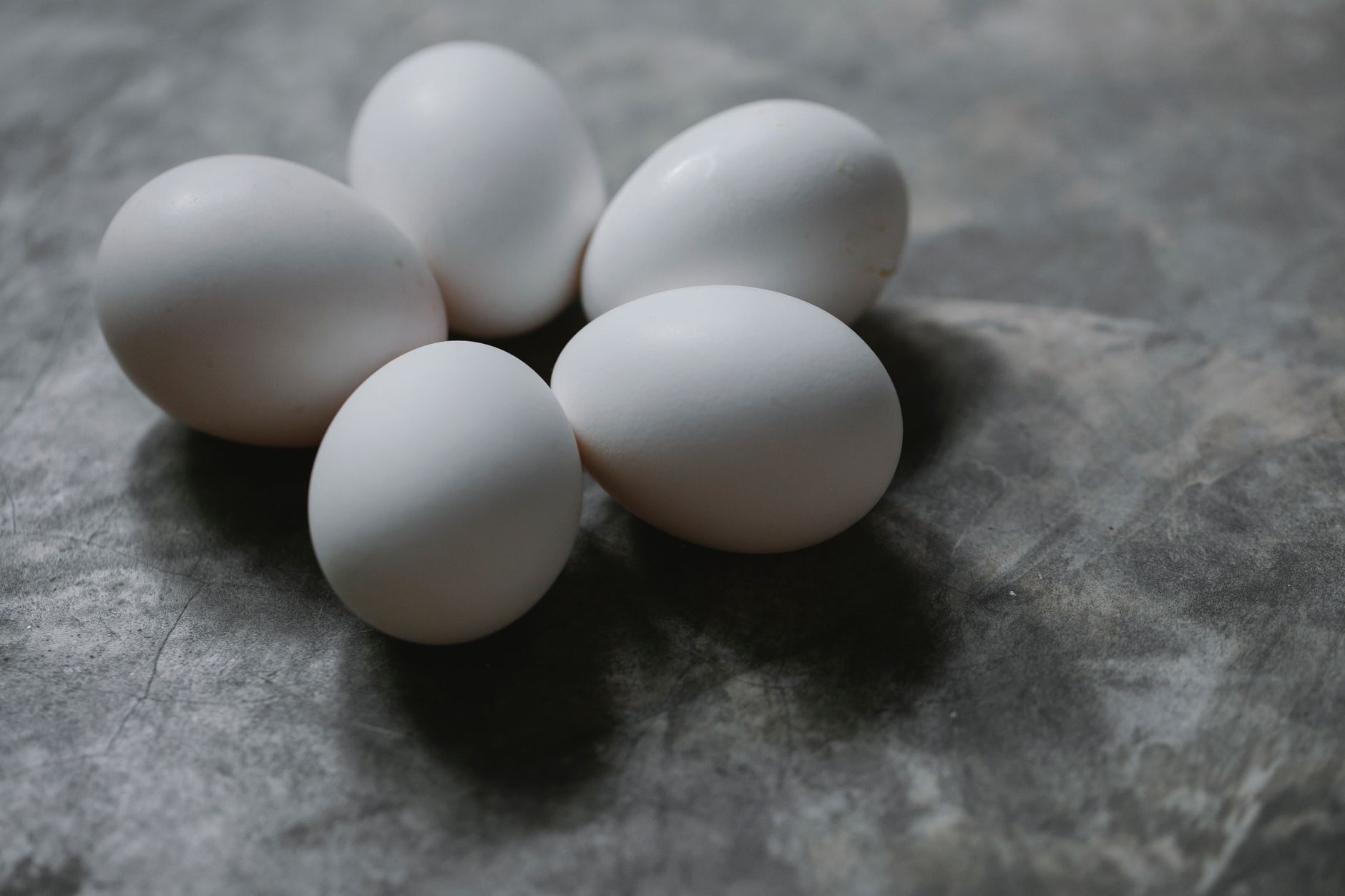
Eggs are a staple ingredient in many diets around the world, praised for their versatility, flavor, and nutritional profile. However, concerns regarding cholesterol and dietary habits spark a question: Is eating five eggs a day bad? This article explores the health implications, culinary uses, and practical considerations of including this number of eggs in your daily meals.
To understand the impact of consuming five eggs daily, we must look at the nutritional value of eggs, analyze scientific perspectives on cholesterol, and explore how they fit into a balanced diet. Additionally, we will provide practical kitchen uses for eggs, ensuring that if you choose to enjoy them frequently, you can do so in a variety of ways.
Is Eating 5 Eggs a Day Bad?
Eating five eggs a day is generally considered excessive for most people, especially those concerned about cholesterol levels. However, for healthy individuals, moderate egg consumption can fit into a balanced diet. It’s crucial to consider individual health, dietary patterns, and medical advice when determining the right amount of eggs for your diet.
The Nutritional Profile of Eggs
Eggs are often lauded as a nutrition powerhouse. Here’s a breakdown of their components:
- Protein: Each egg contains about 6 grams of high-quality protein, providing a complete amino acid profile.
- Fats: Eggs have roughly 5 grams of fat, including both saturated and unsaturated fats. The fat content contributes to satiety and hormone production.
- Cholesterol: A single large egg contains about 186 mg of cholesterol, primarily found in the yolk.
- Vitamins: Eggs are rich in several vitamins, including B12, riboflavin, and folate, and contain important minerals like selenium and phosphorus.
- Antioxidants: They are a source of lutein and zeaxanthin, which are beneficial for eye health.
Understanding Cholesterol and Heart Health
Cholesterol has long been a controversial topic in nutrition. While eggs are high in dietary cholesterol, recent studies suggest that for most healthy individuals, dietary cholesterol has little impact on blood cholesterol levels. The body regulates cholesterol production based on intake.
However, certain populations, such as those with specific metabolic conditions or a family history of heart disease, may be recommended to limit their intake of dietary cholesterol. It’s essential to consult a healthcare provider for advice tailored to your health status.
Benefits of Including Eggs in Your Diet
Including eggs in moderation can offer numerous health benefits:
- High-Quality Protein: Eggs contain all nine essential amino acids, making them an excellent protein source for muscle repair and overall health.
- Weight Management: They are satisfying and may help regulate appetite, aiding in weight management efforts.
- Heart Health: Some research indicates that consuming eggs may actually improve heart health in certain individuals by supporting good HDL cholesterol levels.
- Nutrient Density: Eggs offer a wide range of essential nutrients in a compact form, making them a nutrient-dense food choice.
How to Include Eggs in a Balanced Diet
When considering whether to include five eggs in your daily diet, think about balance and variety. Here are some practical tips:
- Mix with Other Protein Sources: Pair eggs with lean meats, legumes, or dairy to enhance protein intake without relying solely on eggs.
- Add Vegetables: Incorporate vegetables in egg dishes for added fiber and nutrients. Think about a vegetable omelet or scrambled eggs with spinach and tomatoes.
- Mind Cooking Methods: Opt for healthier cooking methods like poaching or scrambling with minimal fat instead of frying.
- Consider Whole Grains: Serve eggs alongside whole grains like toast or quinoa for a balanced meal that includes carbohydrates.
Culinary Uses for Eggs
Eggs are incredibly versatile in the kitchen and can be used in various dishes. Here are some popular ways to incorporate them:
Breakfast Ideas
- Classic Scrambled Eggs: Whisk eggs with milk or cream, season with salt and pepper, and cook over medium-low heat until soft curds form.
- Eggs Benedict: Poached eggs atop English muffins with Canadian bacon and drizzled with hollandaise sauce combine for a luxurious breakfast.
- Shakshuka: Eggs poached in a spicy tomato sauce with bell peppers and onions; perfect for brunch.
Lunch and Dinner Options
- Frittata: A baked egg dish filled with vegetables, cheese, or meat, served warm or at room temperature.
- Egg Salad: Hard-boiled eggs chopped and mixed with mayonnaise, mustard, and seasonings, ideal for sandwiches or as a dip.
- Quiche: A savory pie filled with eggs, cream, cheese, and assorted fillings like spinach, mushrooms, and ham.
Snack Time
- Deviled Eggs: Hard-boiled eggs cut in half, yolks mixed with mayonnaise and mustard, then piped back into the whites for a delightful snack.
- Egg Muffins: Whisk eggs and pour into muffin tins with fillings of your choice. Bake until set for portable snacks.
Baking with Eggs
Eggs also play a crucial role in baking:
- Binding Agent: They help combine ingredients in baked goods, providing structure and stability.
- Leavening Agent: Eggs can aerate batters, giving cakes a light texture. Whisking egg whites can create meringues and soufflés.
- Flavor and Color: They can enhance the taste and appearance of baked goods, adding richness to pastries and bread.
Common Mistakes When Cooking with Eggs
Cooking eggs may seem simple, but a few common mistakes can lead to unsatisfactory results:
- Overcooking: Eggs can become tough when overcooked. For scrambled eggs, cook slowly over low heat to maintain creaminess.
- Ignoring Freshness: Always check the freshness of eggs before cooking. A simple float test can determine if an egg is good or bad; fresh eggs sink in water.
- Rushing Temperature Changes: Bringing eggs to room temperature before cooking can ensure even cooking, especially in baking.
Storage and Safety of Eggs
Proper handling and storage of eggs are crucial for safety:
- Refrigeration: Store eggs in their original carton in the refrigerator to prevent absorbing odors and to maintain freshness.
- Expiration Dates: Always check the expiration date and use them within a few weeks of purchase for the best quality.
- Cooking Temperatures: Cook eggs to an internal temperature of 160°F (71°C) to ensure that any potential bacteria are killed.
Alternatives and Substitutions for Eggs
For those who cannot or choose not to consume eggs, there are suitable alternatives available:
- Flaxseed Meal: Mix 1 tablespoon of flaxseed meal with 2.5 tablespoons of water and let it sit for 5 minutes to thicken, great for binding in baking.
- Chia Seeds: Similar to flaxseeds, use 1 tablespoon of chia seeds with 2.5 tablespoons of water as a substitute.
- Applesauce: Use ¼ cup of unsweetened applesauce to replace one egg in baked goods for moisture.
- Commercial Egg Replacers: Products like Ener-G offer specific instructions for replacing eggs in recipes.
Personalizing Your Egg Consumption
Ultimately, the decision to eat five eggs a day, or any quantity, should consider personal health, dietary preferences, and lifestyle. Some may thrive on this level of egg consumption, while others with different health backgrounds may need to limit their intake. Listening to your body, monitoring how you feel, and staying informed can guide your dietary choices effectively.
Final Thoughts
Eggs can be a nutritious and versatile addition to your diet. While eating five eggs a day might raise some health concerns, they can still fit into an overall balanced diet for many individuals. It’s essential to tailor your egg intake to your personal health needs and enjoy them in delicious, varied recipes. Whether scrambling, poaching, or baking, eggs provide a wonderful source of nutrition and culinary creativity.
If you’re looking for versatile ways to incorporate eggs in your meals, explore related recipes and cooking tips such as how many calories in 2 scrambled eggs or how long does it take to bake a sweet potato.