
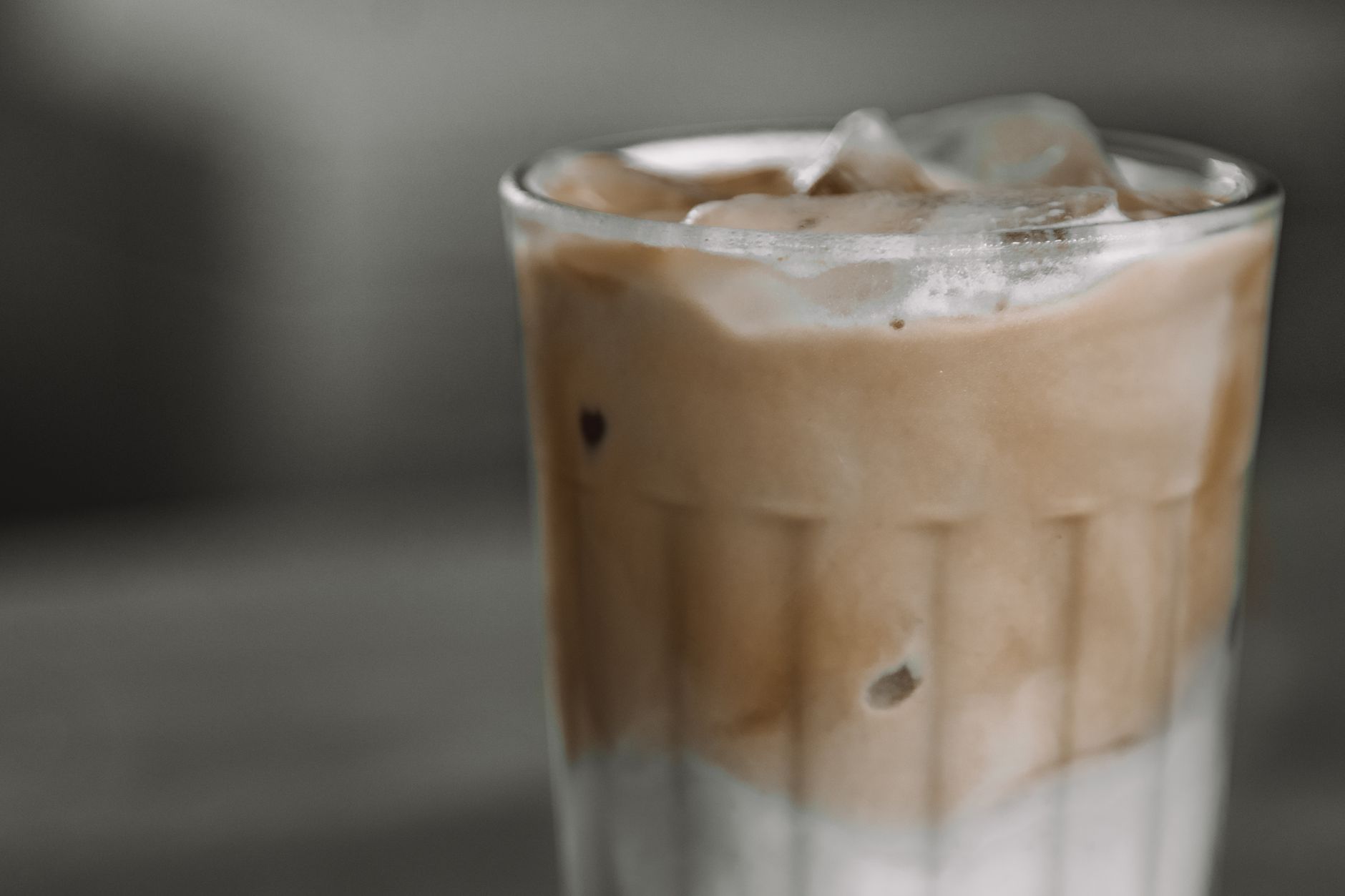
Pregnancy is a time of many changes, and for many, part of those routine changes involves assessing dietary habits, especially when it comes to caffeine consumption. One common question that soon-to-be parents may ask is, “Can I drink iced coffee while pregnant?” Understanding the implications of caffeine intake during pregnancy will not only help you make informed decisions but also ease any concerns surrounding this favorite beverage.
This article will thoroughly examine iced coffee consumption during pregnancy, including safe serving sizes, potential effects of caffeine, and alternatives to satisfy your cravings without overstepping safety guidelines.
Can I Drink Iced Coffee While Pregnant?
Yes, you can generally drink iced coffee while pregnant, but moderation is key. The American College of Obstetricians and Gynecologists (ACOG) recommends that pregnant individuals limit caffeine intake to under 200 milligrams per day to minimize potential risks. This amount roughly equates to one 12-ounce cup of coffee, which includes iced coffee variants.
Understanding Caffeine and Its Effects
Caffeine is a central nervous system stimulant found in coffee, tea, chocolate, and some medications. Pregnant individuals metabolize caffeine more slowly, meaning it stays in the body longer, potentially impacting fetal development. Research indicates that high levels of caffeine can increase the risk of miscarriage, preterm labor, and low birth weight. Therefore, understanding your caffeine intake is vital during pregnancy.
Sources of Caffeine
While iced coffee is a popular source, caffeine can be found in various beverages and foods:
- Regular coffee (hot or iced)
- Espresso drinks
- Tea (including green and iced tea)
- Soda and energy drinks
- Chocolate products
- Some over-the-counter medications
Caffeine Content in Iced Coffee
The caffeine content in iced coffee can vary depending on the coffee type and serving size. On average, an 8-ounce cup of brewed coffee contains about 95 milligrams of caffeine. Therefore, if you opt for a larger portion or additional shots of espresso, your total intake could surpass the recommended limit.
Here are some typical caffeine values to consider:
| Beverage | Caffeine Content (in mg) |
|---|---|
| 8 oz brewed coffee | 95 |
| 12 oz iced coffee | 150 |
| Espresso (1 oz) | 63 |
| Green tea (8 oz) | 35 |
| Soda (12 oz) | 30-40 |
Given the variations, keep track of your caffeine intake from all sources throughout the day. Staying within the recommended limits will help safeguard your health and your baby’s development.
Portion Control and Serving Sizes
When indulging in iced coffee while pregnant, being mindful of portion control is essential. Here are some practical tips to help you remain within the recommended caffeine limits:
- Opt for smaller serving sizes. Instead of a venti or large iced coffee, choose a small or medium size.
- Consider sharing larger drinks if you want to enjoy a treat with someone else.
- Be cautious with additional caffeine sources like espresso shots or flavored syrups that may have hidden caffeine.
- Choose decaffeinated options when available for a safer alternative.
Safe Iced Coffee Variations
If you find that your iced coffee cravings are hard to resist, consider these variations that can help minimize caffeine consumption:
Decaf Iced Coffee
Decaffeinated iced coffee allows you to enjoy the flavor without the caffeine kick. Brewing coffee using decaffeinated ground beans or purchasing pre-made decaf iced coffee can satisfy your cravings while staying safe for pregnancy.
Iced Coffee with Milk Alternatives
Adding milk or cream can ease the consumption of caffeine by extending the volume of your drink. Consider experimenting with milk alternatives such as almond milk, oat milk, or coconut milk for a creamier texture without too much caffeine.
Herbal Iced Teas
If you enjoy iced beverages, consider switching to herbal tea, which is naturally caffeine-free. You can brew your favorite herbal tea, chill it, and serve it over ice. Look for caffeine-free options like chamomile, peppermint, or rooibos tea. However, ensure that any herbal tea is safe for pregnancy, as some herbs can have adverse effects.
Common Mistakes to Avoid
When consuming iced coffee during pregnancy, it’s important to avoid certain pitfalls that could inadvertently increase your caffeine intake:
- Neglecting to count caffeine from all sources, including chocolate and soft drinks.
- Ordering drinks from cafes without understanding their caffeine content.
- Adding additional espresso shots or high-caffeine syrups without awareness of their contribution to your total intake.
Potential Health Risks
Consuming excessive caffeine during pregnancy has been linked to various risks. These include:
- Miscarriage: Some studies suggest high caffeine intake may increase the risk of miscarriage.
- Low Birth Weight: Infants with low birth weights may face additional health challenges post-delivery.
- Preterm Birth: Excessive caffeine has been linked to an increased chance of preterm delivery.
Keep these risks in mind as you decide how to approach iced coffee during your pregnancy. Prioritizing your health and your baby’s well-being will guide your choices.
Adjusting to Flavor Preferences
Pregnancy often brings unique flavor cravings and aversions. If you find that your taste buds have changed, here are some alternate ways to enjoy your iced coffee:
Consider Flavorful Add-ins
Add natural flavors to your iced coffee, such as:
- Vanilla extract
- Cinnamon powder
- Nutmeg
- Cocoa powder (in moderation)
Choose Cold Brew Versions
Cold brew coffee, brewed over a longer period with cold water, typically has a smoother taste with less perceived acidity. This could be more enjoyable if you’ve developed a sensitivity to the acidity in standard iced coffee during pregnancy.
Hydration is Key
Staying hydrated is crucial during pregnancy. Keep in mind that caffeine can act as a diuretic, increasing the need for additional water intake. It’s essential to balance your caffeine consumption with plenty of water. Prioritize hydration by drinking water alongside your iced coffee to ensure you’re meeting your daily fluid needs.
Consulting Your Healthcare Provider
When it comes to dietary choices during pregnancy, it’s always advisable to discuss any concerns with a healthcare provider. They can provide tailored recommendations based on your specific situation, helping you make the best choices for both you and your baby.
Conclusion
In summary, drinking iced coffee during pregnancy can be part of your diet if done in moderation. Staying mindful about caffeine sources and being aware of serving sizes will ensure you enjoy your favorite treat safely. By keeping track of your intake and exploring alternatives, you can enjoy coffee without compromising your health or your baby’s well-being.
If you’re looking for creative coffee alternatives, consider these recipes: a scrumptious Pistachio Latte Recipe or a delightful Caramel Ribbon Crunch Frappuccino Recipe. Happy sipping!