
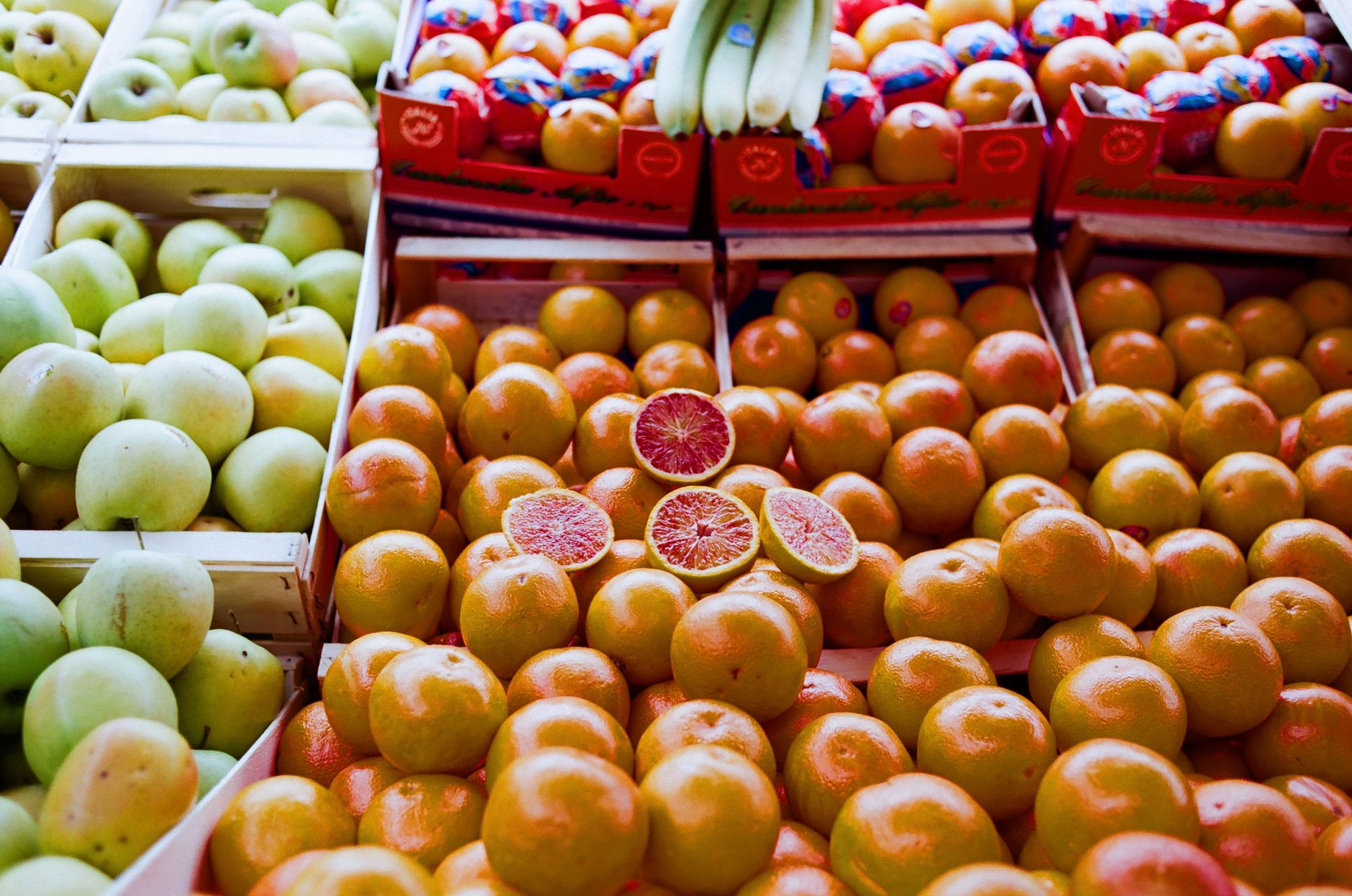
Grapefruit is often celebrated for its fresh flavor and bright acidity, but it also garners attention for its potential health benefits, including effects on blood pressure. Many people wonder if incorporating grapefruit into their diet could help in managing blood pressure levels.
This article explores the relationship between grapefruit and blood pressure, examines the dietary aspects, and provides practical guidance on how to include this fruit in your meals effectively.
Can Grapefruit Lower Blood Pressure?
Research has suggested that grapefruit may help lower blood pressure due to its high content of vitamins, minerals, and antioxidants, particularly vitamin C and potassium. However, individual results may vary, and it is essential to consider overall dietary patterns.
The Nutritional Profile of Grapefruit
Before diving into how grapefruit can affect blood pressure, it’s helpful to understand its nutritional makeup:
- Calories: Approximately 42 per 100 grams
- Vitamin C: 31% of the Daily Value (DV)
- Potassium: 5% of the DV
- Fiber: 1.4 grams per 100 grams
- Antioxidants: Contains flavonoids like naringin and hesperidin
The vitamins and nutrients in grapefruit play significant roles in overall health and may contribute to cardiovascular health and regulation of blood pressure.
How Grapefruit Affects Blood Pressure
Grapefruit may contribute to lower blood pressure through several mechanisms:
1. High Potassium Content
Potassium helps balance sodium levels in the body, which can reduce tension in the blood vessel walls, potentially leading to lower blood pressure.
2. Antioxidants and Flavonoids
Antioxidants like flavonoids may improve the health of blood vessels and reduce inflammation, factors that contribute to hypertension.
3. Weight Management
Including grapefruit in a balanced diet may assist in weight control, which is essential for maintaining healthy blood pressure levels.
Incorporating Grapefruit into Your Diet
Here are some practical ways to add grapefruit to your meal plan:
Fresh Grapefruit
Enjoy grapefruit segments as a refreshing snack. You can sprinkle a little salt or sugar to enhance the flavor based on your preference. Pair it with yogurt or cottage cheese for a nutritious breakfast.
Grapefruit Juice
Freshly squeezed grapefruit juice is an excellent addition to smoothies. However, be cautious of store-bought juices that may contain added sugars.
- **Tip:** Choose 100% pure grapefruit juice with no additives for a healthier option.
Salads
Adding grapefruit segments to a salad introduces a vibrant flavor. Combine it with leafy greens, avocado, nuts, and a citrus vinaigrette for a refreshing dish.
Salsas
Mix diced grapefruit with jalapeños, onions, and cilantro for a zesty salsa to accompany grilled fish or chicken.
Cooking with Grapefruit
Grapefruit can even enhance the flavor profile in cooking. Use grapefruit juice as a marinade for meats or add it to sauces for an extra tang. Here’s a simple recipe for a grapefruit marinade:
Grapefruit Marinade for Chicken
This marinade will infuse your chicken with bright citrus flavors while providing health benefits.
Yield: 4 servings
Preparation Time: 10 minutes
Cooking Time: 30 minutes
Ingredients
- 1 large grapefruit (juiced)
- 2 tablespoons olive oil
- 2 tablespoons honey (optional)
- 2 garlic cloves (minced)
- Salt and pepper to taste
- 4 chicken breasts
Essential Equipment
- Mixing bowl
- Whisk
- Measuring cups and spoons
- Grill or oven
Method
- In a mixing bowl, whisk together grapefruit juice, olive oil, honey, minced garlic, salt, and pepper to create the marinade.
- Place the chicken breasts in a resealable bag or shallow dish and pour the marinade over them, ensuring they are well-coated.
- Marinate in the refrigerator for at least 30 minutes or up to 4 hours for more flavor.
- Preheat the grill or oven to 375°F (190°C).
- Remove the chicken from the marinade, discarding any excess marinade.
- Grill the chicken for about 6-7 minutes per side, or cook in the oven for 25-30 minutes, until the internal temperature reaches 165°F (74°C).
This flavorful chicken pairs well with roasted vegetables or a simple green salad.
Practical Considerations and Portion Size
When incorporating grapefruit into your diet for blood pressure management, portion size is essential:
Recommended Portion
- 1/2 to 1 whole grapefruit per serving
- 1/2 cup of grapefruit juice (without sugar)
Moderation is key, as excessive grapefruit can lead to interactions with medications, especially certain statins and blood pressure medications.
Grapefruit and Medication Interactions
Grapefruit can interfere with the metabolism of various medications, leading to increased blood levels and potential side effects. If you are on medication, consult your healthcare provider before making grapefruit a regular part of your diet.
Common Mistakes to Avoid
Here are a few common pitfalls when incorporating grapefruit into your diet:
- **Avoid overconsumption:** Too much grapefruit can lead to digestive issues and may affect the absorption of certain medications.
- **Sugar varieties:** Steer clear of grapefruit products with added sugars, as they diminish health benefits.
- **Rely solely on grapefruit:** While beneficial, do not use grapefruit as a sole dietary change for blood pressure management. Balance with a variety of fruits, vegetables, lean proteins, and whole grains.
Conclusion
Grapefruit can be a helpful addition to a balanced diet aimed at managing blood pressure. With its nutrient-rich profile and refreshing flavor, this fruit can enhance meals and potentially contribute to overall cardiovascular health. Remember to consult with a healthcare provider regarding any medications and maintain a balanced diet for optimal results.
Explore ways to incorporate other healthy ingredients into your diet, like chia seeds, by checking out their benefits and delicious recipes such as What Are the Benefits of Chia Seeds? and Chia Pudding Recipe with Coconut Milk.