
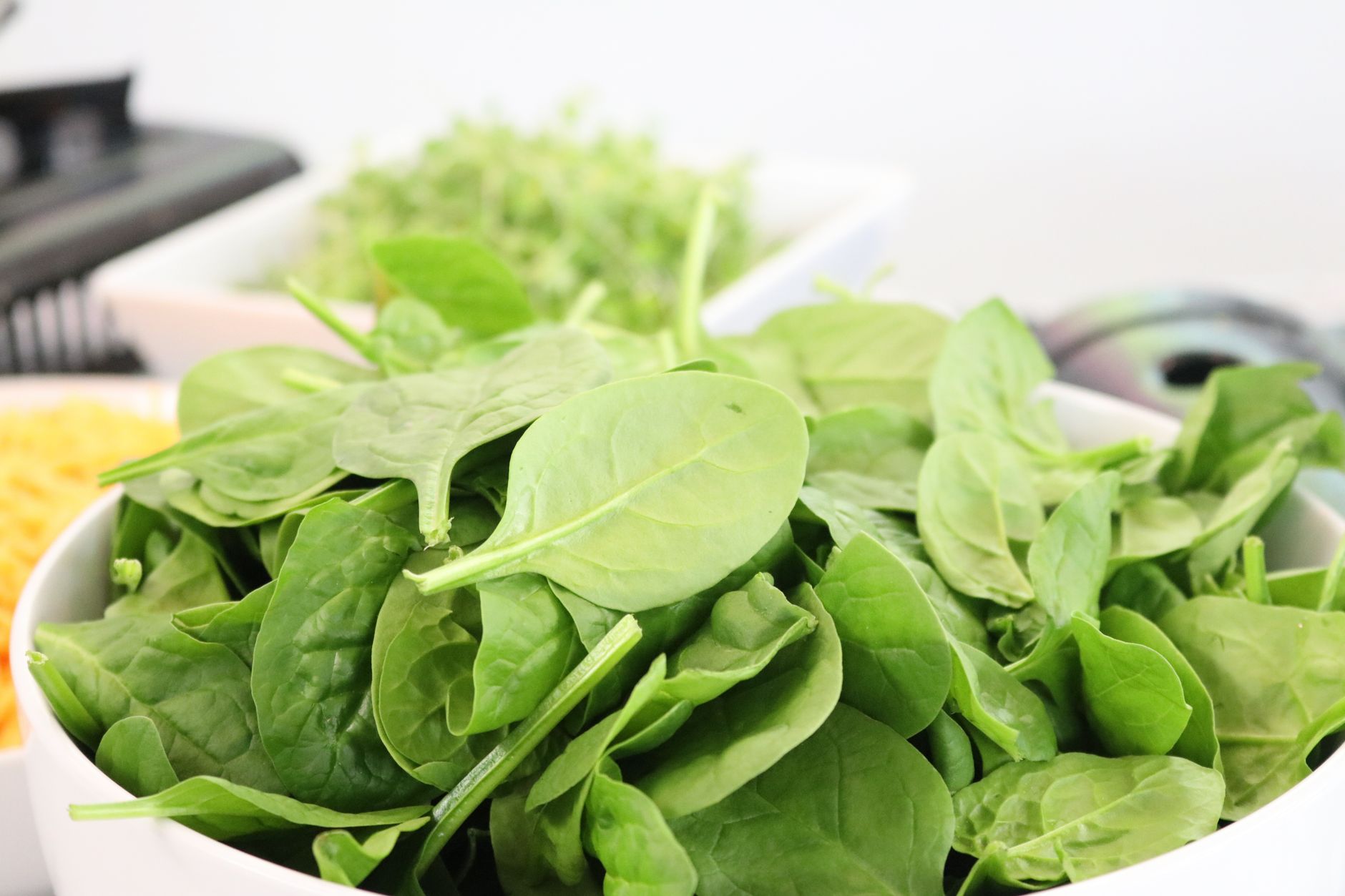
Spinach is a leafy green vegetable renowned for its versatility and nutritional benefits. However, many wonder how much spinach is too much to consume in a single day. This article explores appropriate serving sizes, the nutritional profile of spinach, and the potential effects of excessive intake.
With its vibrant color and mild flavor, spinach is used in salads, smoothies, and a variety of cooked dishes. Understanding the right amount to include in your diet can help maximize its benefits without overpowering your nutritional balance.
How Much Spinach Is Too Much?
Generally, a good serving size of spinach for an adult is about one to two cups of raw spinach or half a cup when cooked. Consuming significantly more than this on a regular basis can lead to health issues due to the presence of certain compounds found in spinach.
Nutritional Profile of Spinach
Spinach is low in calories yet packed with vitamins and minerals. Here’s a breakdown of its nutritional composition per one cup (about 30 grams) of raw spinach:
- Calories: 7
- Protein: 0.9 grams
- Fat: 0.1 grams
- Carbohydrates: 1.1 grams
- Fiber: 0.7 grams
- Vitamins and minerals: Rich in Vitamin A, Vitamin C, Vitamin K, folate, iron, and calcium
The antioxidants and phytonutrients in spinach contribute to its health benefits, which may include improved eye health, heart health, and reduced oxidative stress.
The Benefits of Adding Spinach to Your Diet
Adding spinach to your meals provides various health benefits:
- Rich in Antioxidants: Spinach contains powerful antioxidants like lutein and zeaxanthin, which are beneficial for eye health.
- Supports Bone Health: The high vitamin K content in spinach is crucial for bone metabolism and helps in calcium absorption.
- Boosts Immune Function: The vitamins and minerals in spinach support overall immune function, enhancing your body’s ability to fight off infections.
What Happens When You Eat Too Much Spinach?
While spinach is nutritious, consuming it in excess can create some health issues due to specific compounds contained in the leaves. Here are a few concerns regarding excessive spinach consumption:
1. Oxalates and Kidney Stones
Spinach is high in oxalates, which can form calcium oxalate crystals, a primary contributor to certain types of kidney stones. Consuming very high amounts of spinach could increase the likelihood of developing these stones, especially in individuals predisposed to them. If you’re prone to kidney stones, it’s advisable to limit your intake of high-oxalate foods, including spinach.
2. Nutrient Absorption Issues
The high oxalate content can also inhibit the absorption of essential minerals, such as calcium and iron. When consumed in moderation, the impact is minimal, but excessive intake may lead to deficiencies over time. Balancing spinach with other vegetables that are low in oxalates can help maintain healthy absorption rates for these critical minerals.
3. Gastrointestinal Issues
Spinach is high in fiber, which is beneficial for digestion; however, eating large amounts may lead to gastrointestinal discomfort, bloating, or cramping. A gradual increase in fiber intake is advisable to help the digestive system adjust, especially if you are not accustomed to a high-fiber diet.
Recommended Serving Sizes
Knowing how much spinach to enjoy daily can help you benefit from its nutrients without overdoing it. Here’s a guideline on portion sizes:
- Raw Spinach: 1 to 2 cups is recommended for salads or smoothies. This allows you to benefit from the nutrients without risking overconsumption of oxalates.
- Cooked Spinach: Approximately ½ cup of cooked spinach is considered a standard serving size. Cooking spinach reduces its oxalate content, making it easier for your body to absorb nutrients.
How to Incorporate Spinach into Your Meals
Incorporating spinach into your diet can be both delicious and nutritious. Here are some practical ideas:
1. Smoothies
Add a handful of raw spinach to your morning smoothie. Combine it with fruits like bananas or berries for a nutrient-dense breakfast.
2. Salads
Spinach makes a great base for salads. Pair it with nuts, seeds, and fruits for added texture and flavor.
3. Cooking
Sauté spinach with garlic and olive oil as a side dish or incorporate it into pasta, casseroles, or omelets.
Common Mistakes When Consuming Spinach
Here are a few common pitfalls to avoid when adding spinach to your diet:
1. Overcooking
Cooking spinach for too long can cause it to lose valuable nutrients. Aim for quick cooking methods like steaming or sautéing for a short duration to retain its nutritional profile.
2. Rinsing Inadequately
It is crucial to wash spinach thoroughly before consumption, as it can be contaminated with soil or bacteria. Rinse under cold running water and, if necessary, soak it briefly, then rinse again.
3. Ignoring Variety
While spinach is nutritious, it’s essential to consume a variety of vegetables. Different vegetables provide different nutrients, meaning a diverse diet will contribute to overall health.
Practical Tips for Storing Spinach
Proper storage of spinach helps maintain its flavor and nutritional quality. Here are some tips:
- Refrigeration: Keep spinach wrapped in a damp paper towel and store it in a breathable plastic bag in the refrigerator. This can help keep it fresh for up to a week.
- Freezing: If you want to preserve spinach for an extended period, blanch it briefly in boiling water, cool it quickly, and store it in freezer-safe bags.
Conclusion
Spinach is a highly nutritious vegetable that can be a great addition to a balanced diet. However, moderation is key. A serving size of one to two cups of raw spinach or about ½ cup of cooked spinach is generally recommended. Excessive consumption can lead to health issues due to oxalates and other factors. By enjoying spinach in moderation and incorporating various vegetables into your diet, you can reap the benefits while minimizing any risks.
To enhance your understanding of spinach and its nutritional profile, consider exploring related topics such as the protein content in spinach or trying out a spinach dip recipe. You can read more about the protein content through this link: how much protein in spinach or learn how to make a savory dip by visiting this spinach dip recipe.