
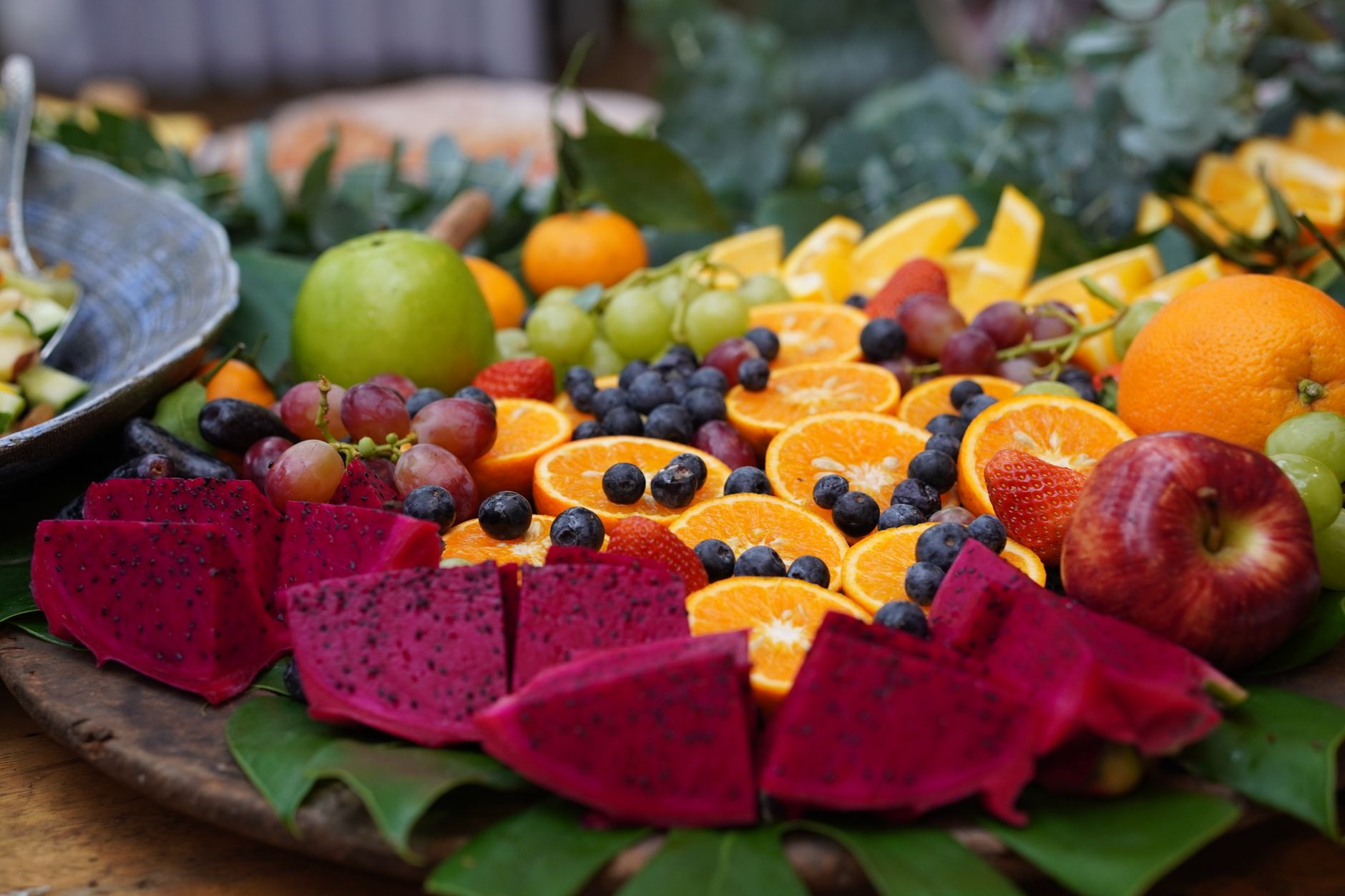
Fruits are nature’s candy, combining sweetness with vital nutrients and fiber. But what types of sugars are found in fruits? Understanding the kinds of sugars that fruit contains can help you make informed choices as part of your diet, whether you’re watching your sugar intake or just trying to eat healthier.
In this comprehensive guide, we will delve into the various sugars present in fruit, their nutritional benefits, and practical applications. From the sweet taste of ripe mangoes to the tartness of fresh berries, we’ll explore how these sugars contribute to flavor and health.
What Sugar Is in Fruit?
Fruit contains several types of natural sugars, primarily fructose, glucose, and sucrose. Fructose is the sweetest of these sugars, followed by sucrose, which is composed of glucose and fructose, while glucose is a key energy source for the body. Each type of sugar acts differently in the body and contributes to the fruit’s overall taste and nutritional profile.
The Primary Sugars in Fruit
To better understand the sugars present in fruit, it’s essential to know their roles and characteristics:
Fructose
Fructose, often referred to as fruit sugar, is the primary sugar found in most fruits. It is absorbed directly into the bloodstream during digestion and is sweeter than glucose. This natural sweetness contributes to the appealing flavor profile of fruits and makes them a popular choice for those looking for a healthy sweet snack.
Glucose
Glucose is another vital sugar found in fruits, albeit in smaller amounts compared to fructose. It serves as an immediate source of energy. Unlike fructose, glucose increases insulin levels in the blood, making it crucial for energy regulation in the body.
Sucrose
Sucrose is a disaccharide made up of one glucose molecule and one fructose molecule. It occurs naturally in many fruits and contributes to their overall sweetness. When you consume sucrose, it gets broken down into glucose and fructose during digestion.
Diversity of Fruit Sugars
Different fruits have varying levels of sugars. Here’s a breakdown of a selection of popular fruits and their sugar content:
| Fruit | Fructose (g) | Glucose (g) | Sucrose (g) | Total Sugars (g) |
|---|---|---|---|---|
| Apple (medium) | 10.4 | 9.8 | 4.6 | 24.8 |
| Banana (medium) | 7.0 | 6.3 | 12.2 | 25.5 |
| Strawberries (1 cup) | 6.5 | 2.3 | 0.7 | 9.5 |
| Grapes (1 cup) | 7.6 | 9.6 | 5.9 | 23.0 |
| Oranges (medium) | 6.1 | 7.5 | 9.4 | 23.0 |
Nutritional Benefits of Sugar in Fruits
The sugars found in fruit come with a package of nutrients and benefits:
- Energy Source: The sugars provide a quick source of energy, making fruits a great snack for athletes and those needing an energy boost.
- Fiber Content: Fruits also contain dietary fiber, which aids in digestion and helps control blood sugar levels.
- Vitamins and Minerals: Fruits are rich in essential vitamins (like vitamin C) and minerals (such as potassium), making them a nutritious choice.
- Antioxidants: Many fruits are loaded with antioxidants, which help combat oxidative stress and reduce inflammation in the body.
Common Misconceptions about Fruit Sugar
Many people associate all sugar with negative health effects, but fruit sugars have distinct advantages:
Natural vs. Added Sugars
Unlike added sugars found in candy and sodas, the sugars in fruit are naturally occurring and come with various health benefits. The fiber in fruit slows down the digestion of sugar, preventing spikes in blood sugar levels.
Moderation Is Key
Even though fruit is healthy, moderation is essential. If consumed in large amounts, fructose can still impact blood sugar and insulin levels negatively. It is advisable to enjoy a variety of fruits as part of a balanced diet.
Serving Ideas for Incorporating Fruit into Your Diet
Fruits can be enjoyed in countless ways, making them versatile for meals and snacks. Here are some practical serving suggestions:
Breakfast
- Add sliced bananas or berries to your morning oatmeal or cereal for a natural sweetness.
- Make a fruit smoothie by blending your favorite fruits with yogurt or almond milk for a quick breakfast.
Snacks
- Opt for whole fruits like apples, pears, or oranges for a satisfying on-the-go snack.
- Pair fruit with nut butter or cheese for a more balanced snack that keeps you fuller longer.
Desserts
- Use fruits as toppings for yogurt, ice cream, or desserts to add natural sweetness.
- Make a fruit salad using a mix of seasonal fruits for a refreshing treat.
Salads and Savory Dishes
- Incorporate fruits like strawberries, apples, or oranges into green salads for a burst of flavor.
- Try adding diced mango or pineapple to salsa for a unique twist.
Storage Tips for Fresh Fruit
Proper storage will help keep your fruit fresh and flavorful:
- Store fruits in the refrigerator when possible, especially berries and stone fruits like peaches.
- Keep apples separate from other fruits to avoid ethylene gas emissions, which can cause premature ripening.
- Check for any spoiled pieces in a batch of fruit as they can affect the others.
- Wash fruit just before eating to maintain their freshness and avoid mold growth.
How to Use Frozen and Dried Fruits
Frozen and dried fruits can be beneficial additions to your pantry. Both options preserve the sugars and nutritional profiles of fresh fruits:
Frozen Fruits
Frozen fruits are convenient and can easily be added to smoothies, baked goods, or cereals. They retain most of their vitamins and sugars, making them a healthy option.
Dried Fruits
Dried fruits are energy-dense and have a longer shelf life. While they can serve as a quick snack, be cautious of the sugar concentration, as removing the water content increases sugar density.
Common Fruit Sugar Substitutions
In some recipes or dishes, you may find yourself needing to substitute different types of sugars or adjusting the type of fruit. Here are some useful swaps:
- For a lower sugar option in recipes, consider using applesauce in place of sugar, thanks to its natural sweetness and moisture.
- Honey or maple syrup can be used instead of granulated sugar, though be mindful that they are still added sugars with distinct flavors.
- If you’re looking to maintain a specific texture in baked goods, ripe bananas can provide moisture and sweetness similar to sugar without additional sweeteners.
Final Thoughts on Fruit Sugars
Understanding the kinds of sugars present in fruits helps demystify their role in your diet. With a variety of fructose, glucose, and sucrose, fruits can be a nutritious, energy-filled food option when enjoyed in moderation.
As you plan your meals or snacks, consider how you can incorporate the rich, natural sweetness of fruit to enhance both flavor and nutrition. Pay attention to the types of fruits you choose and how their sugars fit into your overall dietary needs.
Explore more cooking tips and food guides to truly understand how to make the most out of your meals. Check out how to know if chicken is bad and how long do blueberries last for more helpful insights.