
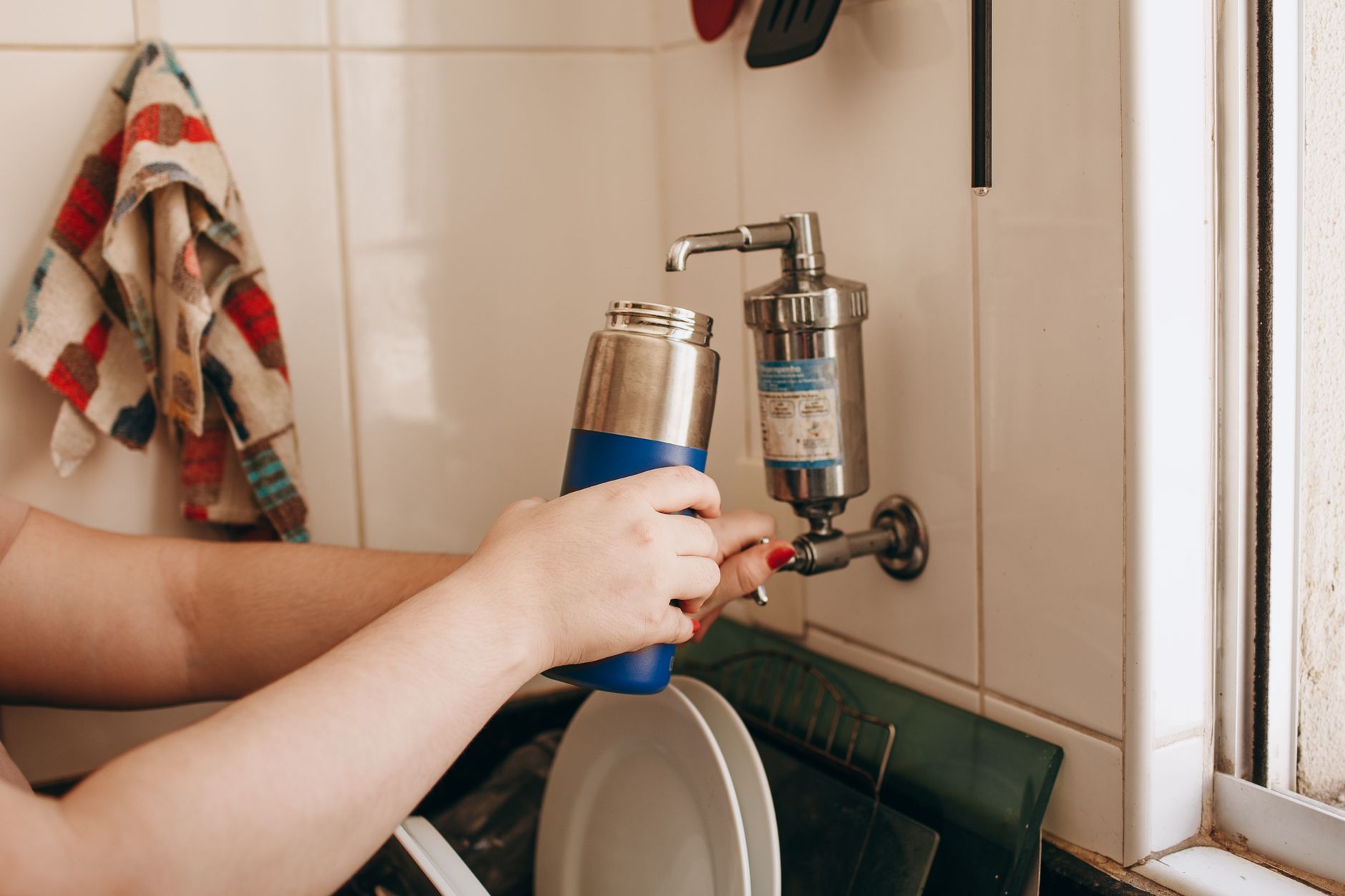
In a world of endless beverage options, purified water remains a staple choice for hydration. Many individuals may wonder about its effectiveness in keeping the body hydrated. Purified water is water that has been treated to remove impurities and contaminants, making it a healthy choice for quenching your thirst and promoting overall well-being.
This article explores the hydration capabilities of purified water, its potential benefits, and how it stands out from other beverage options. Additionally, we’ll cover practical tips and uses for purified water in cooking and meal planning.
Does Purified Water Hydrate You?
Yes, purified water does hydrate you effectively. Hydration occurs when water is absorbed by the body’s cells, supporting vital functions. Purified water is free from contaminants, making it safe and healthy for drinking, which contributes to proper hydration and overall health.
Understanding Purified Water
Purified water undergoes various processes to eliminate impurities, making it distinctly different from tap or spring water. The typical processes include:
- Reverse Osmosis: This method uses a semi-permeable membrane to filter out contaminants.
- Distillation: Water is boiled and cooled, allowing impurities to separate as they do not vaporize.
- Carbon Filtration: Activated carbon is used to remove chlorine, odors, and other chemicals.
Each of these techniques effectively purifies water. As a result, purified water is often devoid of harmful substances, making it safe and beneficial for human consumption.
How Hydration Works
Hydration is essential for sustaining life and involves maintaining the body’s fluid balance. Water is vital for various bodily functions, including:
- Regulating body temperature
- Transporting nutrients and oxygen
- Supporting digestion and waste elimination
- Lubricating joints and tissues
When you consume purified water, it quickly enters your bloodstream and begins to replenish lost fluids, ensuring that these functions continue efficiently.
The Role of Purified Water in Diet
Incorporating purified water into your diet can have a significant impact on your overall health. It serves as a low-calorie beverage choice that can replace sugary drinks, helping to reduce calorie intake and promote a healthier lifestyle.
Furthermore, adequate hydration aids in:
- Weight Management: Drinking water before meals can help control appetite and may lead to lower calorie consumption.
- Improved Digestion: Drinking enough water helps facilitate digestion and nutrient absorption, preventing constipation.
- Enhanced Skin Health: Staying hydrated can improve skin elasticity and reduce the appearance of dryness.
Purified Water versus Other Beverages
While many beverages offer hydration, not all are created equal. Here’s how purified water compares with some common alternatives:
Spring Water
Spring water is sourced from natural springs and may still contain minerals and microorganisms, which could be beneficial or harmful. Purified water, by contrast, is devoid of these uncertainties due to its rigorous purification processes.
Flavored Water
Flavored waters may contain added sugars, artificial sweeteners, or other chemicals that can lead to health issues if consumed in excess. Purified water, being free of additives, is the healthiest choice for hydration.
Sports Drinks
While sports drinks can help replenish electrolytes and energy during intense physical activity, they often contain high levels of sugar and calories. Purified water is the best option for everyday hydration without unnecessary calories.
Using Purified Water in the Kitchen
Purified water is versatile beyond quenching thirst; it can be utilized in various cooking and baking processes. Here are some practical applications:
Cooking
When preparing meals, using purified water can enhance the flavor and safety of your dishes. Consider these uses:
- Boiling pasta or rice: Purified water can help achieve a better texture as it doesn’t have any added minerals or flavors that might alter the outcome.
- Making stocks or soups: Using purified water helps you create cleaner, more controlled flavor profiles.
- Vegetable steaming: Steaming vegetables in purified water can prevent any lingering tastes from tap water, allowing the ingredients’ true flavors to come forward.
Baking
When it comes to baking, the quality of water can affect baked goods. Here’s why you might opt for purified water:
- Yeast Activation: Using purified water helps control the activation of yeast without any impurities that could hinder the process.
- Dough Consistency: Precise moisture levels can be crucial; purified water ensures consistency when measuring.
- Flavor Integrity: Avoiding unwanted flavors from tap water will make your baked goods taste better.
Purified Water in Meal Planning
Staying hydrated should be part of your meal planning strategy. Here are some practical tips:
- Designate Water Times: Set specific times during the day to drink purified water, such as with meals or between snacks. This habit ensures you’re consistently hydrating.
- Use Reusable Containers: Invest in high-quality, BPA-free water bottles to keep purified water accessible while on the move.
- Infuse Your Water: For added flavor without sugars or artificial sweeteners, consider infusions. Ingredients like cucumber, mint, or citrus can enhance the taste.
Common Hydration Myths
As you navigate hydration, it’s important to be aware of some common myths surrounding water consumption:
- Myth: You only need to drink water when you’re thirsty. Thirst is a late indicator of dehydration; aim to drink consistently throughout the day.
- Myth: All liquids hydrate you equally. While beverages like herbal teas and broths can contribute to hydration, purified water is the most effective.
Recognizing Dehydration
Understanding the signs of dehydration can help you maintain adequate hydration. Look out for:
- Dark yellow urine
- Constant fatigue or drowsiness
- Dizziness or confusion
- Dry mouth and skin
If you notice these symptoms, increase your intake of purified water to help restore your fluid balance.
Storage and Safety of Purified Water
Proper storage of purified water is crucial to maintaining its quality. Follow these guidelines for safe storage:
- Keep it cool and dark: Store water away from sunlight and heat sources to prevent degradation of quality.
- Use food-grade containers: Ensure that the containers used for storage are safe for food purposes to avoid leaching chemicals into the water.
- Seal tightly: Ensure that containers are tightly sealed to prevent contamination from dust or insects.
Conclusion
Incorporating purified water into your daily routine can significantly improve hydration, supporting overall health and well-being. It serves as an essential building block for hydration, making it the best choice for displacing sugary and high-calorie beverages.
Make an effort to prioritize purified water in your cooking, meal planning, and everyday drinking habits to reap its many benefits. As you strive for optimal hydration, explore the best bottled water to drink and enhance your culinary adventures with this chia pudding recipe with coconut milk.