
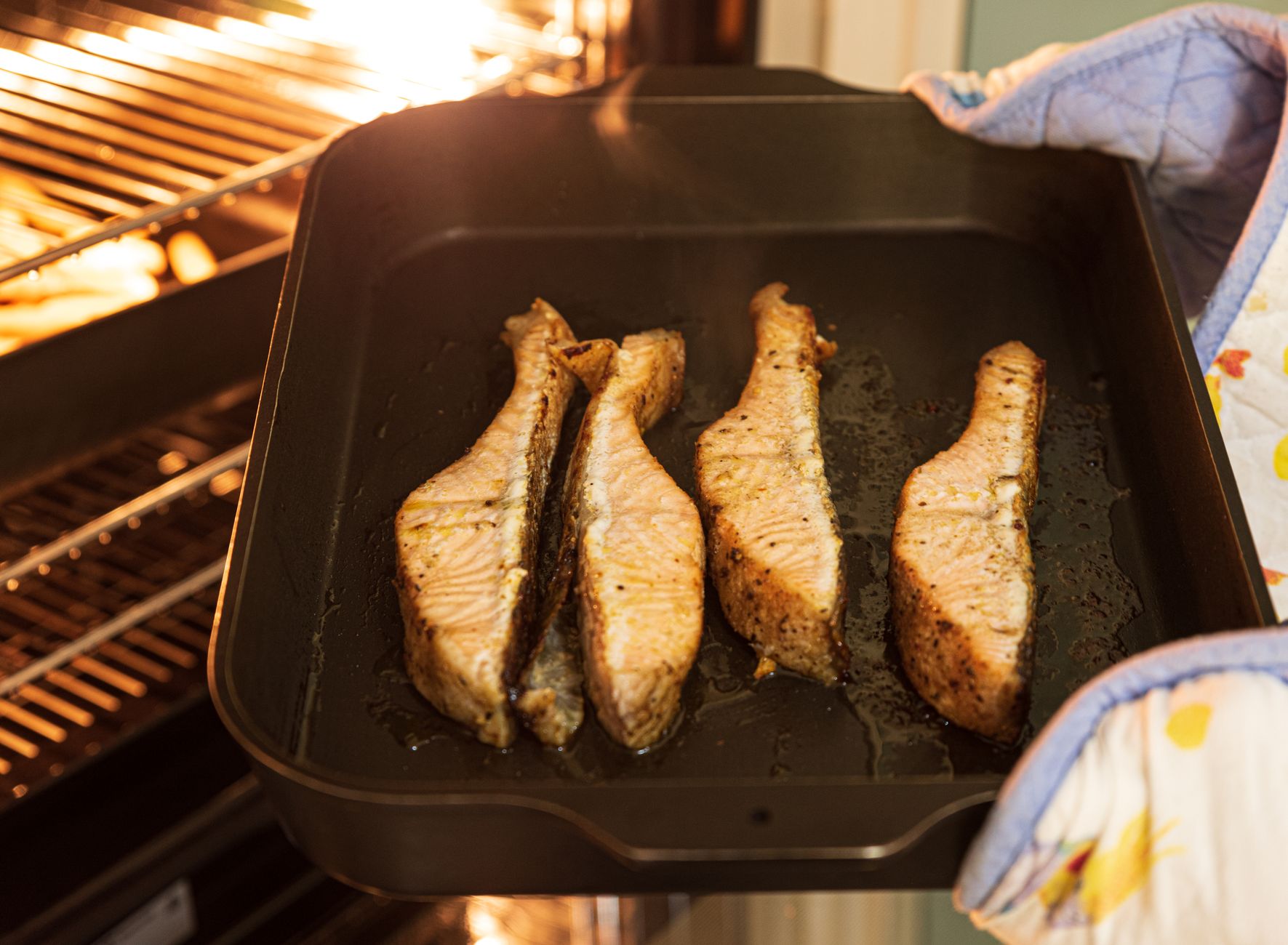
Salmon is a versatile and flavorful fish that can be enjoyed in various dishes. Baking is one of the most straightforward and healthiest cooking methods for salmon, preserving its natural flavor and ensuring it remains moist. Knowing exactly how long to bake salmon is essential for achieving that perfect texture and taste.
In this guide, we will explore the optimal bake times for salmon, including factors that affect cooking duration, ideal temperatures, and helpful tips to ensure delicious results every time.
How Long Does Salmon Bake For?
The baking time for salmon typically ranges from 12 to 20 minutes, depending on the thickness of the fillet and the baking temperature. A common rule of thumb is to bake salmon at 350°F (175°C) for about 15 minutes per inch of thickness.
This means a 1-inch thick fillet would usually take around 15 minutes, while a thicker 2-inch fillet may take up to 25 minutes. However, it’s essential to check for doneness using an instant-read thermometer to achieve the best results.
Factors That Affect Baking Time
Several factors can influence how long salmon should bake. Understanding these factors will help you adjust your cooking times accordingly:
- Thickness of the Fish: Thicker fillets will require more time to cook through than thinner ones.
- Oven Temperature: Cooking salmon at a higher temperature (such as 400°F or 425°F) will reduce baking time, while a lower temperature will increase it.
- Type of Salmon: Different species of salmon, such as sockeye, coho, or farmed Atlantic salmon, can have varying moisture content and fat levels, impacting cooking times.
- Added Ingredients: Marinating or adding toppings (like herbs or cheese) may slightly alter cooking times as they can affect the overall moisture content around the fish.
Baking Salmon: Temperature Guide
The cooking temperature plays a crucial role in how long to bake salmon. Here’s a breakdown of the ideal temperatures and the corresponding bake times based on thickness:
| Oven Temperature | Cook Time for 1-inch Fillet | Cook Time for 2-inch Fillet |
|---|---|---|
| 350°F (175°C) | 15-20 minutes | 25-30 minutes |
| 375°F (190°C) | 12-15 minutes | 20-25 minutes |
| 400°F (200°C) | 10-12 minutes | 15-20 minutes |
| 425°F (220°C) | 8-10 minutes | 12-15 minutes |
How to Bake Salmon: Step-by-Step Guide
Baking salmon is simple. Follow these steps to achieve perfectly baked salmon:
- Preheat the Oven: Preheat your oven to the desired temperature based on the thickness of your salmon fillet.
- Prepare the Baking Dish: Grease a baking dish with olive oil or line it with parchment paper to prevent sticking.
- Season the Salmon: Pat the salmon fillet dry with paper towels. Season with salt, pepper, and any other desired herbs or spices.
- Place Salmon in the Dish: Lay the salmon fillet skin-side down in the prepared baking dish.
- Bake: Place the dish in the oven and set a timer according to the thickness of the fillet and your chosen temperature.
- Check for Doneness: Use an instant-read thermometer to check the internal temperature of the salmon. It should reach 145°F (63°C).
- Rest and Serve: Once finished, remove the salmon from the oven and let it rest for a few minutes before serving.
Visual Cues for Perfectly Baked Salmon
Knowing when your salmon is done can sometimes be tricky. Here are some visual cues to look for:
- The salmon should transition from a translucent reddish color to opaque pink.
- The flesh should flake easily when gently pressed with a fork.
- There should be white albumin that may seep out, indicating cooking but should not be excessive.
Common Mistakes When Baking Salmon
Even seasoned cooks can make mistakes when baking salmon. Here are a few common pitfalls to avoid:
- Overcooking: Keep a close eye on the cooking time, as salmon can become dry if overbaked.
- Not Checking Temperature: Relying solely on cooking time can lead to undercooked or overcooked salmon. Use a thermometer for accuracy.
- Skipping the Drying Step: Not patting the salmon dry can cause it to steam instead of bake, affecting texture.
- Ignoring Skin-On Fillets: If using skin-on salmon, make sure it’s facing down to achieve a crispy texture.
Flavor Variations and Preparation Tips
Salmon is a versatile ingredient, so don’t hesitate to experiment with flavors and preparation methods. Here are some delicious variations:
Herb and Lemon Salmon
Combine fresh herbs (like dill or parsley) with lemon slices for a refreshing flavor. Place herbs and lemon slices on top of the fillet before baking.
Maple Glazed Salmon
Brush the salmon with maple syrup and sprinkle with crushed garlic before placing it in the oven for a sweet and savory flavor.
Pesto Salmon
Spread basil or spinach pesto over the salmon fillet for a vibrant flavor. Bake as usual for a Mediterranean twist.
Storing and Reheating Baked Salmon
If you have leftover baked salmon, proper storage and reheating are essential to preserve its quality:
Storage
- Store leftover salmon in an airtight container in the refrigerator for up to 3 days.
- For longer storage, you can freeze the baked salmon. Wrap it tightly in plastic wrap and then in aluminum foil for extra protection. Frozen salmon can keep for up to 3 months.
Reheating
- To reheat salmon, preheat your oven to 300°F (150°C) and place the salmon in an oven-safe dish. Cover with foil to retain moisture and heat for about 10-15 minutes until warmed through.
- Alternatively, heat in the microwave on low power for 1-2 minutes, checking regularly to avoid overcooking.
Final Thoughts
Baking salmon is a simple yet rewarding method that yields delicious results. By understanding baking times, temperatures, and the factors that affect them, you can enjoy perfectly cooked salmon every time. Remember to check for doneness with a thermometer and explore various flavor adaptations to suit your palate.
For more great cooking tips, consider exploring our articles on how long to cook tilapia or how long it takes to bake a sweet potato. Happy cooking!