
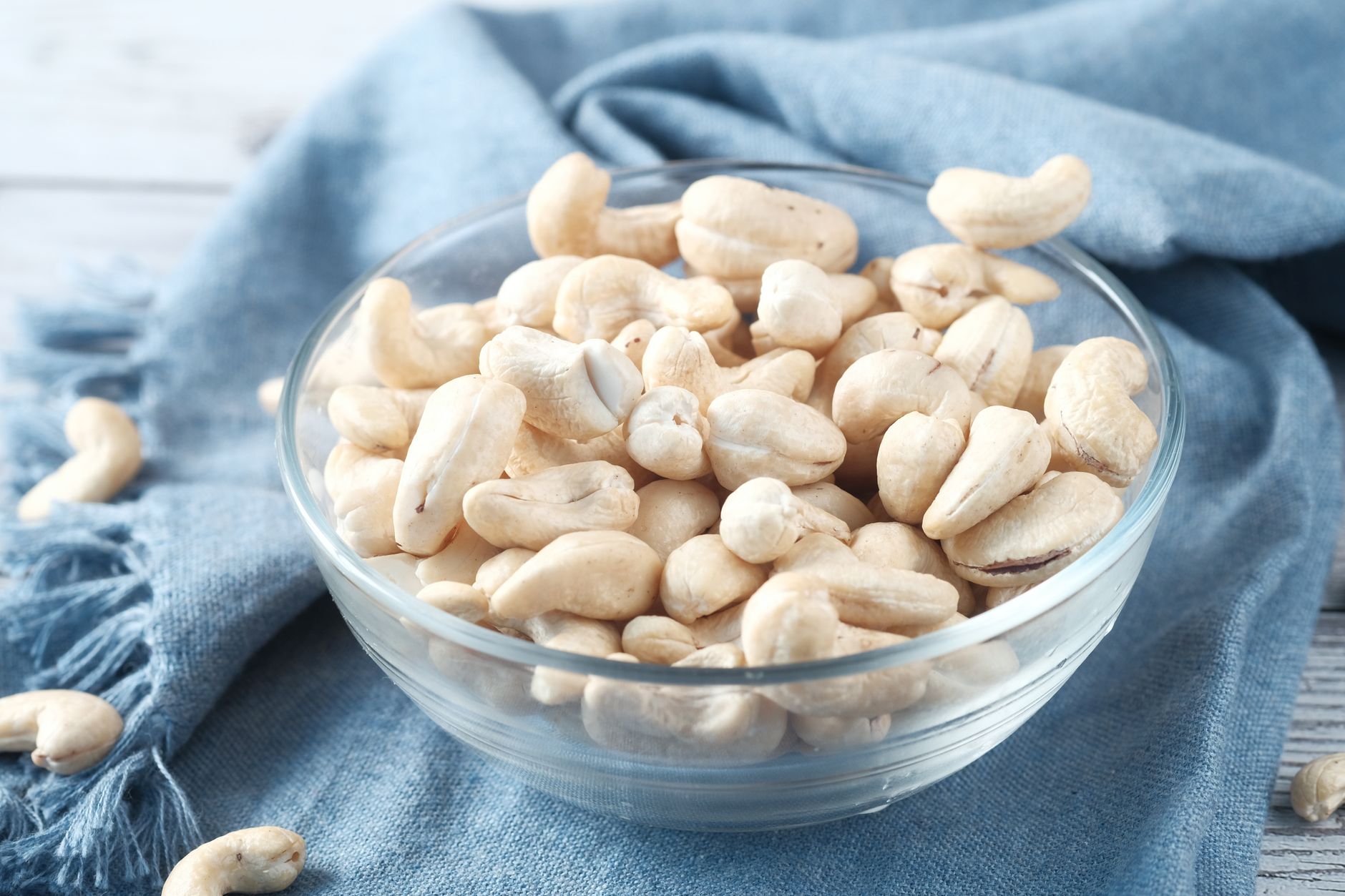
Cashews are not just a tasty snack; they’re also packed with nutrition and health benefits. These distinctively shaped nuts come from the cashew tree, native to Brazil but now grown in many tropical regions worldwide. Known for their creamy flavor and versatility, cashews can enhance both sweet and savory dishes.
In this article, we’ll explore why cashews are beneficial for your health, present their nutritional content, discuss portions, and provide guidance on incorporating them into your meals.
Why Are Cashews Good for You?
Cashews are a great source of essential nutrients, including healthy fats, vitamins, and minerals. They can support heart health, weight management, and overall wellness when consumed in moderation. Additionally, their unique flavor and texture make them a delightful addition to many recipes.
Nutritional Profile of Cashews
To understand why cashews are good for you, it’s important to look at their nutritional content. Here’s a breakdown of what one ounce (28 grams) of raw cashews typically contains:
- Calories: 157
- Total Fat: 12.4 grams
- Carbohydrates: 8.6 grams
- Fiber: 0.9 grams
- Protein: 5.2 grams
- Vitamin K: 9.4 micrograms
- Vitamin E: 0.9 milligrams
- Magnesium: 82 milligrams
- Zinc: 1.6 milligrams
- Copper: 0.6 milligrams
- Iron: 1.9 milligrams
Health Benefits of Cashews
1. Heart Health
Cashews contain monounsaturated fats, which are beneficial for heart health. These healthy fats can help lower bad cholesterol levels and reduce the risk of heart disease. Additionally, the presence of antioxidants such as vitamin E further supports heart health by preventing oxidative stress.
2. Rich in Essential Minerals
Cashews are loaded with essential minerals, including magnesium, copper, and zinc. Magnesium plays a key role in heart and bone health, while copper aids in iron metabolism and supports the immune system. Zinc is vital for immune function and cell growth.
3. Supports Healthy Weight Management
Including cashews in your diet can help with weight management. Their healthy fat content can promote a feeling of fullness and satisfaction, making it less likely that you will overeat. Furthermore, being nutrient-dense means that cashews can provide ample nutrition with relatively few calories.
4. Good for Bone Health
Thanks to their magnesium and calcium content, cashews are beneficial for maintaining strong bones. Magnesium is essential for bone structure, while calcium is a crucial mineral that helps in forming bone density. Together, these minerals can help prevent osteoporosis.
5. Boosts Immune System
The zinc content in cashews also contributes to a stronger immune system. Zinc is necessary for developing immune cells, and adequate intake of this mineral can help fight off infections and maintain overall health.
Portion Sizes and How to Enjoy Cashews
While cashews offer numerous health benefits, it’s essential to enjoy them in moderation. A standard serving size is about one ounce (28 grams), which is roughly equivalent to a handful. Eating cashews in moderation helps to enjoy their health benefits without excessive calorie intake.
Different Ways to Incorporate Cashews Into Your Diet
Cashews can be enjoyed in various ways, whether as a snack or as part of a recipe. Here are some popular methods to include cashews in your meals:
- Snacking: Enjoy raw, roasted, or salted cashews as a quick, nutritious snack.
- Cooking: Add cashews to stir-fries or curries for added texture and flavor.
- Baking: Use ground cashews in cookies or cakes for a nutty flavor.
- Salads: Toss cashews into salads to provide a crunchy element.
- Nut Butter: Make cashew butter by blending roasted cashews until smooth for spreading on toast or using in smoothies.
- Dairy Alternatives: Blend soaked cashews with water to make creamy sauces or dressings suitable for various dishes.
Practical Tips for Buying and Storing Cashews
When selecting cashews, consider the following tips to ensure you’re getting the best quality:
- Freshness: Look for cashews that are whole, unbroken, and have a light golden hue. Avoid any that appear dull or discolored.
- Storage: Store cashews in an airtight container in a cool, dry place to maintain their freshness. For extended shelf life, consider refrigerating them.
Common Mistakes When Using Cashews
When incorporating cashews into your diet, here are some common pitfalls to avoid:
- Overconsumption: While cashews are healthy, they are calorie-dense. Be mindful of portion sizes.
- Neglecting to Soak: If using cashews for cooking or making nut milk, soaking them can improve texture and aid in digestion.
- Ignoring Allergies: Some individuals are allergic to tree nuts; if you are unsure, always consult with a healthcare provider.
Frequently Asked Questions (FAQs)
1. Are cashews nuts?
Cashews are technically seeds and are part of the cashew apple. However, they are commonly referred to as nuts in culinary contexts.
2. Are raw or roasted cashews healthier?
Raw cashews retain their natural nutrients, while roasted cashews can have some added flavor. However, roasted varieties often contain added oils or salts that may not be as healthy. Choose unsalted and oil-free options when possible for maximum benefits.
3. Can cashews help with weight loss?
Cashews can support weight loss efforts when consumed in moderation as part of a balanced diet. Their healthy fats, protein, and fiber content can promote satiety and reduce overall calorie intake.
Creative Cashew Recipes to Try
Incorporating cashews into your diet isn’t limited to snacking or adding them to salads. Here are a couple of recipes to inspire your culinary creativity:
Cashew Cream Sauce
This creamy cashew sauce is a versatile ingredient that can be combined with pasta, drizzled over veggies, or used as a salad dressing.
- 1 cup raw cashews, soaked for 4 hours
- 1 cup water
- 2 tablespoons lemon juice
- 1 teaspoon garlic powder
- Salt to taste
- Drain and rinse the soaked cashews.
- In a blender, combine soaked cashews, water, lemon juice, garlic powder, and salt.
- Blend until smooth and creamy, adjusting seasoning as needed.
Cashew Chocolate Energy Bites
These no-bake energy bites make for a quick snack or a delicious dessert.
- 1 cup dates, pitted
- 1/2 cup cashews
- 1/4 cup cocoa powder
- 1 tablespoon maple syrup
- Pinch of salt
- In a food processor, combine dates, cashews, cocoa powder, maple syrup, and salt.
- Pulse until the mixture comes together.
- Roll into small balls and refrigerate for at least 30 minutes before enjoying.
Conclusion
Cashews are a nutritious and delightful addition to your diet, offering health benefits that contribute to overall wellness. Whether enjoyed as a snack or used as an ingredient in various dishes, they can enhance flavors while providing essential nutrients. Remember to keep portion sizes in check and enjoy their creamy texture in various recipes.
For more information on cashews and other related topics, consider exploring these recipes on our site: learn if cashews are nuts and check out the delightful chia pudding recipe with coconut milk for a nutritious dessert option.