
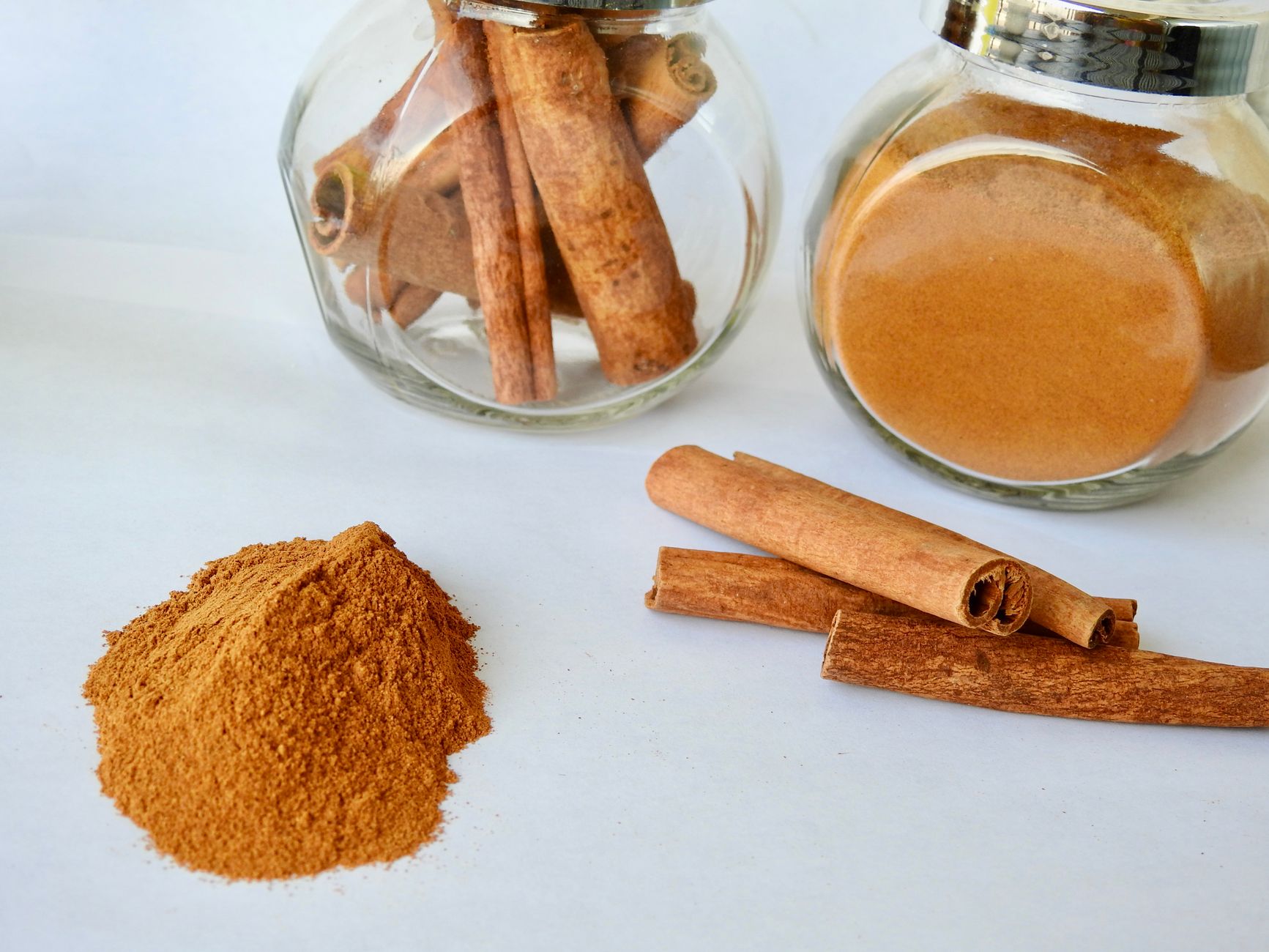
Cinnamon, a beloved spice known for its warm, sweet flavor, is often used in various dishes, from baked goods to savory meals. For individuals following a Low FODMAP diet, understanding what ingredients are suitable is crucial. This article explores whether cinnamon is low FODMAP, examines appropriate portion sizes, and offers meal ideas for incorporating this fragrant spice into your diet.
Low FODMAP diets are designed to help manage symptoms related to irritable bowel syndrome (IBS) and other digestive disorders. By understanding how cinnamon fits into this dietary framework, you can enhance your meals while keeping your health in mind.
Is Cinnamon Low FODMAP?
Yes, cinnamon is considered low FODMAP and can be safely consumed in moderation. Both ground cinnamon and cinnamon sticks can add flavor to your dishes without risking FODMAP-related symptoms for most individuals.
Understanding FODMAPs
The term FODMAP stands for fermentable oligosaccharides, disaccharides, monosaccharides, and polyols. These are short-chain carbohydrates that some people find difficult to digest. There are specific food categories within FODMAPs that can trigger symptoms, including:
- Oligosaccharides: Found in foods like wheat, onions, and garlic.
- Disaccharides: Primarily lactose, found in dairy products.
- Monosaccharides: Fructose, found in certain fruits and sweeteners.
- Polyols: Sugar alcohols found in some fruits and artificial sweeteners.
Cinnamon does not fall into any of these categories, making it a suitable spice for those following a low FODMAP diet.
Portion Sizes for Cinnamon
While cinnamon is low FODMAP, it’s important to be mindful of portion sizes. Here are some general guidelines:
- Ground Cinnamon: Up to 1 tablespoon (approximately 8 grams) is considered low FODMAP.
- Cinnamon Sticks: One cinnamon stick can be used to infuse flavor into dishes without exceeding FODMAP limits.
Exceeding these amounts, particularly in dry spice form, could lead to digestive discomfort for some. As with any ingredient, moderation is key.
Flavor Profile and Uses of Cinnamon
Cinnamon has a warm, sweet, and slightly spicy flavor that can enhance both sweet and savory dishes. Here are some culinary uses:
- Baking: Cinnamon is a popular addition to baked goods like cookies, breads, and muffins.
- Breakfast: Sprinkle it on oatmeal, yogurt, or pancakes for added flavor.
- Savory Dishes: Use in stews, curries, or to season meats to add depth of flavor.
This versatility makes cinnamon a staple in many kitchens, especially for those who appreciate its unique flavor.
Meal Ideas Incorporating Cinnamon
Incorporating cinnamon into your meals can be both enjoyable and nutritious. Here are some simple meal ideas where cinnamon can shine:
Breakfast
- Cinnamon Oatmeal: Cook rolled oats with water or almond milk and top with a sprinkle of cinnamon, sliced bananas, and walnuts.
- Overnight Chia Pudding: Combine chia seeds with low FODMAP almond milk, a dash of cinnamon, and maple syrup. Let it sit overnight in the fridge.
- Cinnamon Apple Smoothie: Blend unsweetened almond milk, spinach, frozen apple slices, and a pinch of cinnamon for a nutritious breakfast smoothie.
Lunch
- Cinnamon-Infused Quinoa Salad: Toss cooked quinoa with diced cucumbers, cherry tomatoes, a drizzle of olive oil, and a pinch of cinnamon for a refreshing salad.
- Spiced Carrot Soup: Cook carrots and onions, blend until smooth, and stir in ground cinnamon along with your choice of herbs and spices.
- Cilantro Cinnamon Chicken Stir-Fry: Season chicken breast pieces with cinnamon, garlic, and cilantro, and stir-fry with vegetables.
Dinner
- Moroccan Lamb Tagine: Use cinnamon as a key spice in a tagine with lamb, apricots, and chickpeas for a flavorful dish.
- Roasted Vegetables: Toss root vegetables with olive oil, salt, and a sprinkle of cinnamon before roasting for a fragrant side dish.
- Spicy Cinnamon Chicken Tacos: Marinate chicken in a combination of cinnamon, chili powder, and lime juice before grilling and serving in corn tortillas.
Desserts
- Baked Cinnamon Apples: Core apples and fill them with a mixture of cinnamon, oats, and honey, then bake until tender.
- Chocolate-Cinnamon Mousse: Whisk dark chocolate with cream and a pinch of cinnamon for a decadent dessert.
- Chocolate Chip Cinnamon Cookies: Add cinnamon to a classic chocolate chip cookie recipe for a comforting twist.
Tips for Using Cinnamon in Cooking
To make the most of cinnamon in your cooking, consider these tips:
- Quality Matters: Use high-quality cinnamon, specifically Ceylon cinnamon (often labeled as “true cinnamon”) for better flavor and fragrance.
- Storage: Store ground cinnamon in a cool, dark place in an airtight container to maintain its potency.
- Toasting Whole Sticks: Toasting cinnamon sticks lightly in a dry pan before use can enhance their flavor.
- Pairing Flavors: Cinnamon pairs well with ingredients like vanilla, chocolate, apples, and nuts, expanding your culinary possibilities.
Common Mistakes to Avoid
While cooking with cinnamon, here are some pitfalls to watch out for:
- Overuse: Adding too much cinnamon can overpower a dish. Start with smaller amounts and adjust according to taste.
- Cooking Duration: Cinnamon can lose its potency if cooked too long; add it later in the cooking process to preserve flavor.
- Substituting for Sugar: While cinnamon adds flavor, it cannot replace the sweetness of sugar. Use it as a complement, not a substitute.
Storage and Shelf Life of Cinnamon
The shelf life of cinnamon, whether in ground form or as sticks, can be relatively long if stored correctly. Here’s how to ensure its longevity:
- Ground Cinnamon: Typically lasts about 1-2 years if kept in a cool, dry place.
- Cinnamon Sticks: Can last up to 3-4 years when stored properly.
To extend the shelf life, avoid exposure to moisture, extreme temperatures, and direct sunlight.
Exploring Different Types of Cinnamon
There are several varieties of cinnamon, each with distinct flavor profiles:
- Ceylon Cinnamon: Known as true cinnamon, it has a sweeter flavor and is highly aromatic.
- Saigon Cinnamon: This is stronger and is often considered sweet with a slightly spicy flavor. It’s excellent for baking.
- Vietnamese Cinnamon: Known for its robust flavor, it’s similar to Saigon cinnamon and great in savory dishes.
- Casia Cinnamon: Commonly found in grocery stores, it has a more pungent flavor compared to Ceylon cinnamon.
Choosing the right type of cinnamon can enhance your culinary creations significantly.
Conclusion
Cinnamon is a versatile spice that adds flavor to a variety of dishes without compromising a low FODMAP diet. With appropriate portion sizes and mindful culinary practices, you can enjoy its unique taste in numerous meals. Experiment with the different types of cinnamon and incorporate them into your recipes for delightful results.
For more food inspiration, explore our Dollywood Cinnamon Bread Recipe or try our Cinnamon Roll Recipe with Heavy Cream for a delicious treat featuring this wonderful spice.