
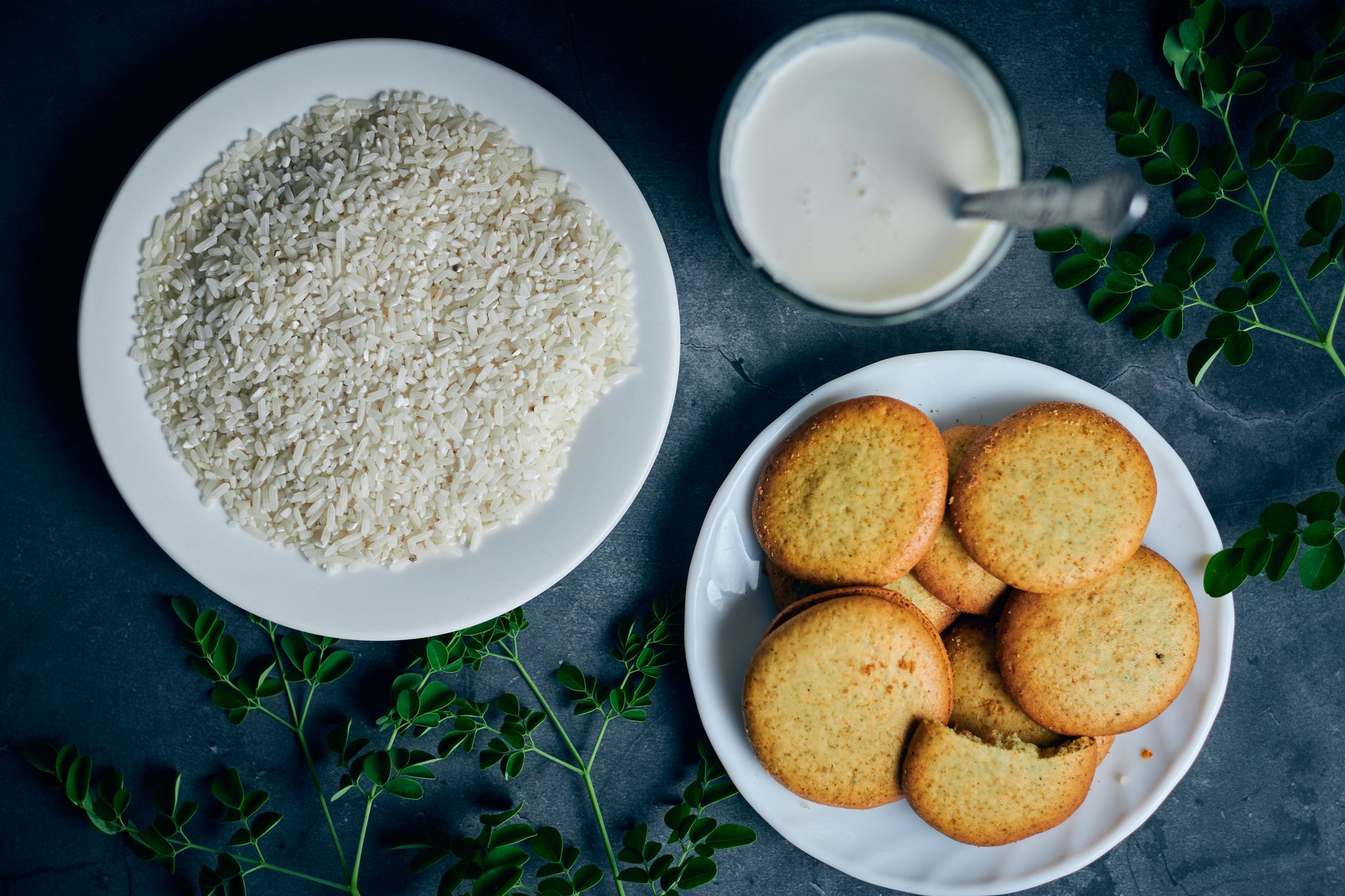
Moringa has gained attention as a superfood, often touted for its nutritional benefits, including its potential to support lactation in breastfeeding mothers. Understanding how moringa contributes to milk supply is essential for nursing mothers seeking natural ways to enhance their lactation.
This article explores the relationship between moringa and milk production, looking closely at its nutritional profile, traditional uses, and how to incorporate it into your diet for optimal benefits.
Does Moringa Help with Milk Supply?
Yes, moringa may help enhance milk supply due to its rich nutrient profile and traditional use as a galactagogue, a substance believed to promote lactation. Moringa leaves are packed with vitamins, minerals, and antioxidants that can support overall health, which is vital for breastfeeding mothers.
What is Moringa?
Moringa, often referred to as the drumstick tree or miracle tree, is native to parts of Africa and Asia. Its leaves, pods, seeds, and roots are used in culinary practices and traditional medicine. Moringa leaves are particularly valued for their dense nutrient content and ease of incorporation into various dishes.
Nutritional Profile of Moringa
The nutritional composition of moringa is remarkable, making it a potentially beneficial addition to the diets of breastfeeding mothers. Here are some key nutrients found in moringa leaves:
- Vitamins: Moringa is high in vitamins A, C, and E, all of which play essential roles in maintaining health.
- Minerals: Rich in calcium, magnesium, potassium, and iron, moringa can help in the recovery process postpartum.
- Protein: Moringa leaves are composed of about 25% protein, providing essential amino acids needed for milk production.
- Antioxidants: The presence of quercetin, chlorogenic acid, and other antioxidants in moringa can improve maternal health and support lactation.
Moringa as a Galactagogue
A galactagogue is any substance that promotes milk production. Moringa has been traditionally used in many cultures for this purpose. A few studies have highlighted its potential as a natural lactation booster. Specifically, it is thought that the high nutrient content of moringa may support the physical demands of breastfeeding.
Historical Uses
In various cultures, including South Asia and Africa, moringa has been prescribed to nursing mothers due to its perceived ability to increase breast milk quality and quantity. The leaves can be consumed fresh, dried, or in powder form. It’s important to note that traditional uses do not always have scientific backing, and more research is needed to confirm these benefits definitively.
Research on Moringa and Lactation
Few studies directly examine moringa’s effects on breast milk supply. However, some initial research has indicated positive outcomes, including increased milk volume and improved nutritional quality in lactating mothers. As with any supplement, it’s advisable to consult healthcare professionals regarding its use during breastfeeding.
How to Incorporate Moringa into Your Diet
Integrating moringa into daily meals can be easy and delicious. Here are several methods for incorporating this superfood into your diet:
Moringa Powder
Moringa powder is a versatile ingredient that can be added to smoothies, soups, and baked goods.
- Smoothies: Add a teaspoon of moringa powder to your morning smoothie for an energizing boost.
- Soups: Stir in moringa powder to soups towards the end of cooking to retain its nutrients.
- Baked Goods: Substitute 1-2 tablespoons of moringa powder in bread, muffins, or pancake recipes.
Fresh Moringa Leaves
When available, fresh moringa leaves can be used much like spinach or other leafy greens.
- Salads: Use fresh leaves as a base for salads, adding cherry tomatoes, cucumbers, and a light vinaigrette.
- Curries: Include fresh moringa leaves in curries or stir-fries for a nutritious boost.
Moringa Tea
Brewing moringa tea can be a soothing way to enjoy its benefits. To make moringa tea:
- Boil water and add 1-2 teaspoons of moringa leaves or powder.
- Allow it to steep for about 5-10 minutes.
- If desired, sweeten with honey or lemon, and enjoy!
Practical Tips for Using Moringa
Here are some tips to maximize the benefits of moringa:
- Start Slow: If you’re new to moringa, begin with small amounts to see how your body responds.
- Stay Hydrated: Proper hydration is crucial for milk production, so ensure you’re drinking enough water alongside your moringa intake.
- Consult a Professional: As with any dietary supplement, it’s best to consult with a healthcare provider, especially while breastfeeding.
Potential Side Effects and Considerations
Although moringa is considered safe for most people when consumed in moderation, a few side effects and considerations should be noted:
- Digestive Issues: Some individuals may experience stomach upset or diarrhea, especially with higher doses of moringa.
- Blood Sugar Effects: Moringa may lower blood sugar levels; those with hypoglycemia should use caution.
- Allergic Reactions: Though rare, allergic reactions can occur. Discontinue use if any adverse symptoms arise.
FAQs About Moringa and Milk Supply
Can moringa increase my breast milk supply immediately?
While some mothers report increased milk supply after consuming moringa, the effects can vary greatly among individuals. It is not typically an instant solution and should be combined with other factors that support lactation, such as proper breastfeeding technique and adequate nutrition.
How often should I consume moringa for it to help with milk supply?
There is no established guideline for moringa intake. Many mothers find success with 1-2 teaspoons of moringa powder or a handful of fresh leaves daily, but it’s essential to listen to your body and adjust accordingly.
Is moringa safe to use while breastfeeding?
Research on the safety of moringa for breastfeeding mothers is limited but generally indicates that it’s safe when consumed in moderate amounts. Always consult with a healthcare provider for personalized advice.
Conclusion
Moringa’s potential benefits for milk supply make it a noteworthy addition to the diet of nursing mothers. With its rich nutrient profile, moringa could support lactation alongside a balanced diet and healthy lifestyle. As always, approach dietary changes mindfully and in consultation with healthcare professionals.
For additional information, check out our article on the benefits of moringa or try making chia pudding with coconut milk for a nutritious snack option. Explore different recipes and cooking tips to enhance your dietary journey!