
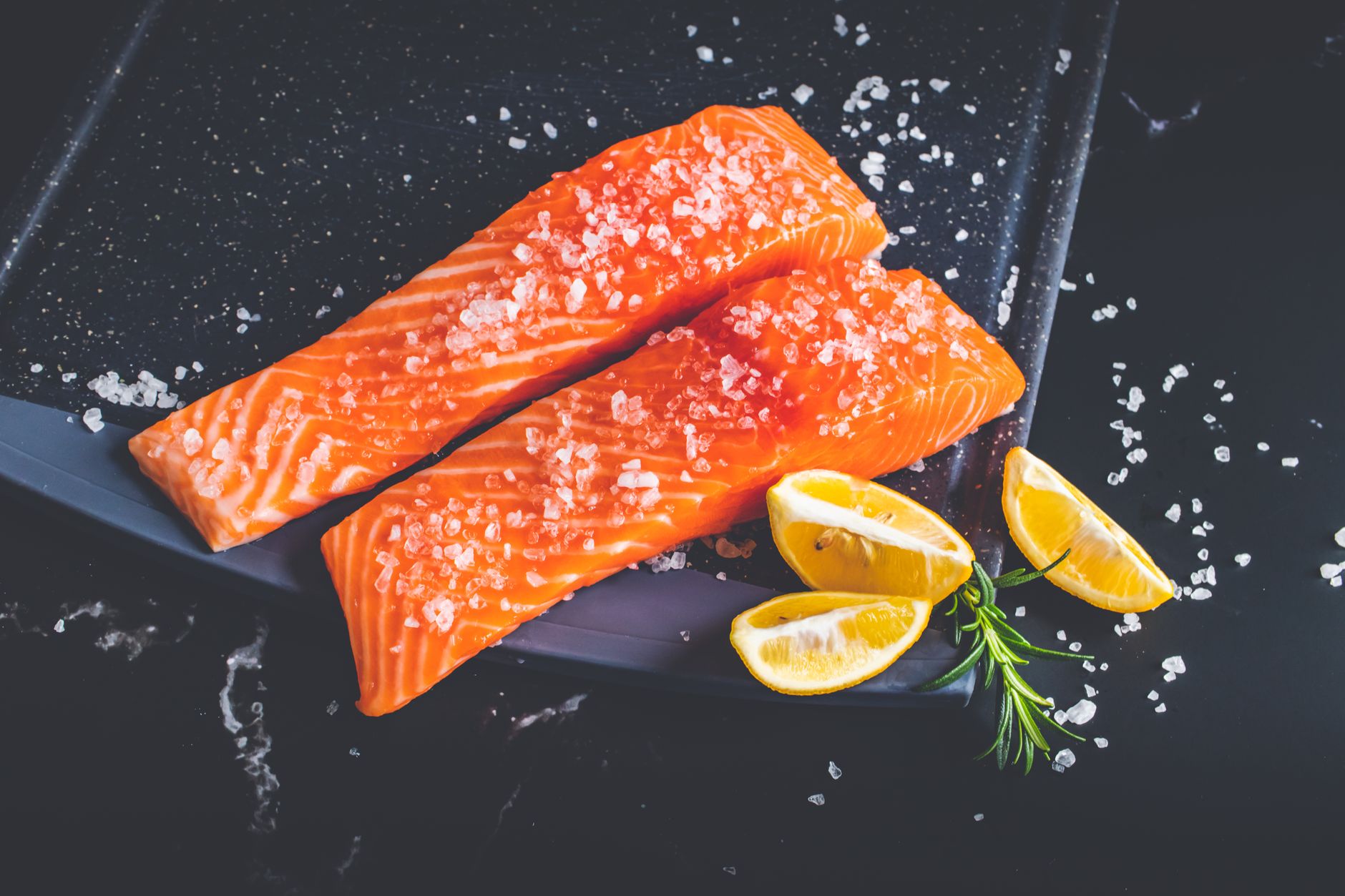
Defrosting salmon properly is crucial to maintain its freshness, flavor, and texture. The fridge is one of the safest methods to defrost salmon, as it keeps the fish at a constant and safe temperature. With proper planning, you can ensure your salmon is ready to cook without losing its quality.
Understanding how long it takes to defrost salmon in the fridge will help you manage your meal planning effectively. This comprehensive guide will cover everything you need to know, from timing to storage tips.
How Long to Defrost Salmon in Fridge?
Defrosting salmon in the refrigerator typically takes between 12 to 24 hours, depending on the thickness of the fillet or the size of the whole fish. Fish should be placed in a sealed container or on a plate to catch any liquid that may drip. This slow defrosting method ensures a safe temperature is maintained.
The Importance of Proper Defrosting
Defrosting salmon properly is vital for preserving its texture and flavor. When salmon thaws unevenly or too quickly, it can lead to the development of harmful bacteria, spoilage, and compromised taste. Additionally, properly thawed salmon maintains its natural moisture, reducing the risk of drying out during cooking.
Factors Affecting Thawing Time
Several factors can influence how long it takes to defrost salmon in the fridge:
- Thickness of the Fillet: Thicker cuts of salmon will require more time to thaw.
- Type of Salmon: Different species (like sockeye or Atlantic) may vary slightly in their density and water content, affecting thaw time.
- Temperature of the Fridge: A colder fridge will slow down the thawing process, while a warmer fridge may expedite it slightly.
- Packaging: Salmon wrapped tightly in plastic or vacuum-sealed will retain more cold and require longer to defrost than loose packaging.
Best Practices for Defrosting Salmon in the Fridge
Adhering to best practices can enhance the effectiveness of your defrosting process:
- Plan Ahead: Always plan to defrost salmon a day before cooking. If you need it thawed on the same day, consider alternative methods (like cold-water thawing).
- Keep It Sealed: Store salmon in its original packaging or place it in a tightly sealed container to prevent cross-contamination.
- Use a Plate: Place salmon on a plate to catch any liquid that may accumulate, reducing the risk of mess and bacteria spread.
How to Defrost Salmon in the Fridge: Step-by-Step Guide
Defrosting salmon in the fridge is a simple process:
- Place the salmon in its original packaging or transfer it to a sealed container.
- Put the salmon on a plate to capture any liquid.
- Store it on the bottom shelf of the refrigerator. This prevents any potential drips from contaminating other foods.
- Allow 12 to 24 hours for defrosting, checking it if you are thawing thinner fillets.
- Once thawed, cook the salmon within 1-2 days for optimal freshness.
Quick Reference on Thawing Times Based on Salmon Type
| Type of Salmon | Thawing Time (12-24 hours) |
|---|---|
| Salmon Fillet (1 inch thick) | 12-18 hours |
| Thicker Salmon Fillet (1.5-2 inches thick) | 18-24 hours |
| Whole Salmon (4-6 pounds) | 24-36 hours |
Alternative Thawing Methods
If you’re short on time and can’t wait a day for your salmon to defrost, consider these alternative methods:
Cold Water Method
This method is faster than refrigerator thawing, taking 1-2 hours depending on thickness:
- Seal the salmon in a leak-proof plastic bag.
- Submerge it in a bowl of cold water, changing the water every 30 minutes.
- Cook immediately after thawing.
Microwave Method
Though not recommended due to the risk of uneven thawing, if time is of the essence:
- Place the salmon in a microwave-safe dish.
- Use the defrost setting based on the weight.
- Cook immediately after thawing, as some areas may begin to cook in the microwave.
Common Mistakes and How to Avoid Them
A few common mistakes can hinder the thawing process or affect the quality of your salmon:
- Thawing at Room Temperature: Never leave salmon out at room temperature, as this increases the risk of bacterial growth.
- Refreezing Thawed Salmon: If salmon has been thawed, it should be cooked before refreezing. Refreezing can diminish quality and safety.
- Not Planning Ahead: Always allow enough time for the salmon to thaw safely. Don’t rush it with unsafe methods.
What to Do If You Forgot to Thaw Your Salmon?
If you find yourself in a bind without a thawed salmon, don’t panic. There are options:
- Use the cold water method for quick thawing.
- Choose a cooking method that works from frozen, such as baking or grilling. Cooking from frozen will take about 50% longer than usual but can still yield flavorful results.
Cooking Thawed Salmon
Once your salmon is thawed, you have numerous cooking options available to you. Here are some popular methods:
- Baking: Preheat the oven to 375°F (190°C) and bake salmon for about 15-20 minutes.
- Pan-Seared: Heat a non-stick skillet and sear salmon for 4-5 minutes on each side.
- Grilling: Grill on medium heat for about 4-6 minutes per side depending on thickness.
Storage Tips for Leftover Salmon
If you have leftover cooked salmon, proper storage is essential for maintaining quality:
- Store cooked salmon in an airtight container in the refrigerator.
- Consume within 3-4 days for the best quality.
- For longer storage, freeze cooked salmon which can last up to three months.
Conclusion
Defrosting salmon in the fridge is a simple yet essential process that helps you maintain the fish’s quality and flavor. With an estimated thawing time of 12 to 24 hours, planning ahead is key. Whether you’re preparing for a weeknight dinner or a special occasion, knowing how to properly defrost salmon will enhance your culinary experience.
You can explore related recipes and cooking tips such as how to thaw meat quickly or how to cook fresh salmon for further inspiration in your culinary adventures.