
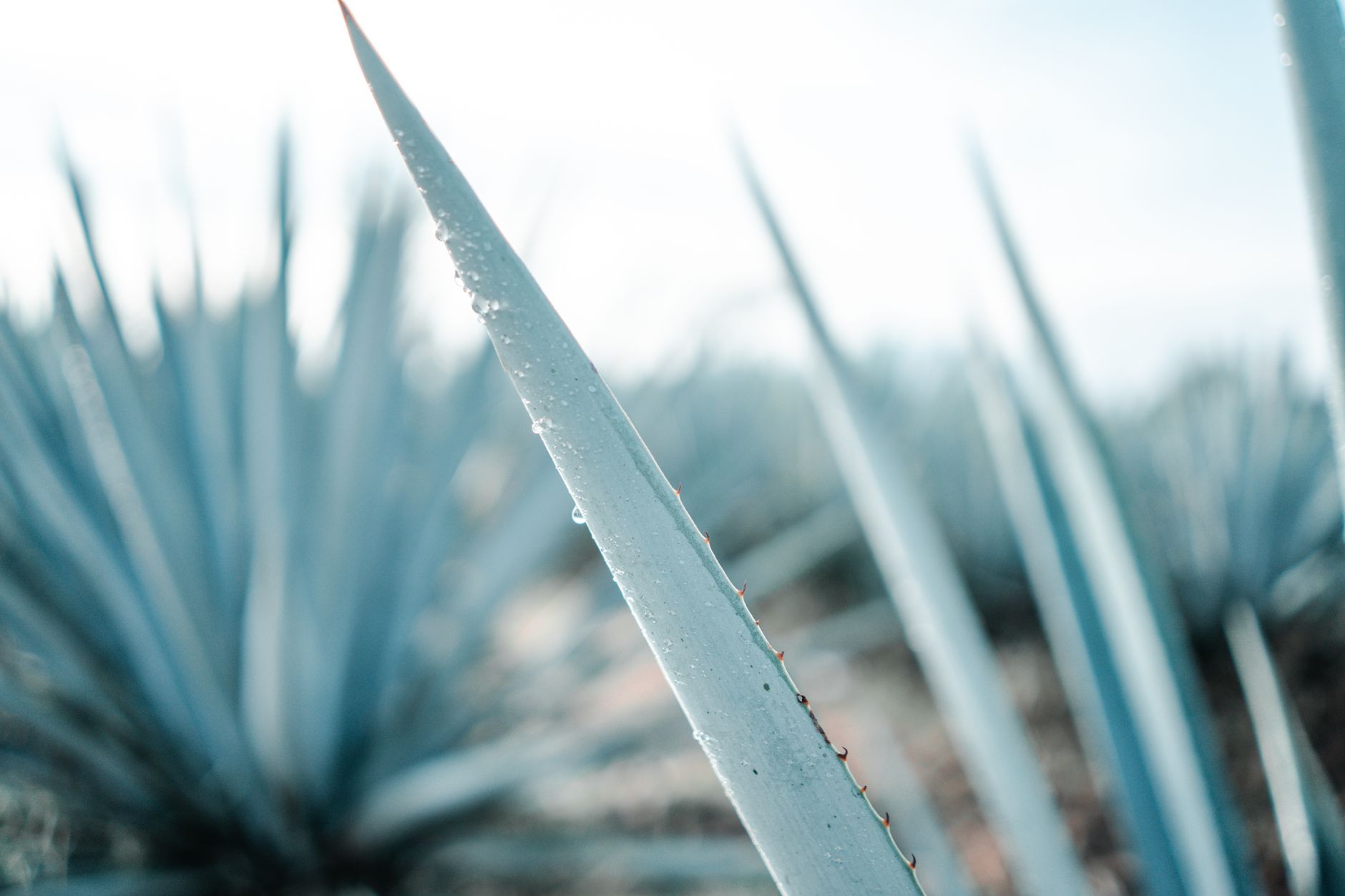
Tequila, a beloved spirit with deep ties to Mexican heritage, raises a common question among enthusiasts: what plant is tequila made from? The answer is the blue agave plant, known scientifically as Agave tequilana. This article will explore blue agave, its importance in tequila production, how it affects the spirit’s flavor profile, and relevant food labels that showcase this unique ingredient.
The blue agave plant is crucial for producing authentic tequila, giving it a distinctive taste and culinary identity. Understanding the characteristics of blue agave and its role in creating tequila can enhance your appreciation for this spirit and guide your purchasing choices.
What Plant Is Tequila Made From?
Tequila is made exclusively from the blue agave plant, primarily grown in the region surrounding the town of Tequila in Mexico. The plant matures for about 7 to 10 years before harvest, during which it develops its natural sugars, necessary for fermentation and distillation.
The Blue Agave Plant: A Deeper Look
The blue agave, or Agave tequilana, is a succulent that typically reaches heights between 5 and 7 feet, characterized by its long, spiny leaves and a thick, central core called the piña. This piña is the heart of the agave plant, and it is harvested for tequila production. The harvesting process, known as “jimado,” involves skilled laborers, called “jimadores,” who expertly cut away the leaves to expose the piña.
Characteristics of Blue Agave
- High Sugar Content: The plant has a high concentration of fructans, particularly inulin, which converts to sugar during the fermentation process.
- Distinct Flavor Profile: It imparts unique flavor notes to tequila, including earthy and herbal undertones, often with hints of citrus and caramel.
- Environmental Adaptability: Blue agave thrives in the region’s specific climate and soil conditions, making it a localized commodity.
From Plant to Spirit: The Tequila Production Process
Understanding the production process will give you insight into how the blue agave is transformed into tequila. The entire process is steeped in tradition and careful craftsmanship.
Step 1: Harvesting the Agave
The process begins with carefully harvesting the blue agave piñas. Using a specialized tool called a coa, the jimador strips away the sharp leaves, leaving behind the heart of the plant, which can weigh between 100 to 200 pounds.
Step 2: Cooking the Piñas
Once harvested, the piñas undergo a cooking process to convert the complex sugars into fermentable sugars. This is commonly done using stone ovens or modern autoclaves. Cooking typically lasts 24 to 48 hours and is crucial for developing the tequila’s flavor.
Step 3: Fermentation
After cooking, the piñas are crushed to extract the juices, known as “aguamiel.” This sugary liquid is then allowed to ferment, typically using natural yeast. Fermentation can take from several days to two weeks, depending on the desired characteristics.
Step 4: Distillation
The fermented liquid is distilled to separate alcohol from water and impurities. The first distillation increases the alcohol content, while the second distillation refines the flavor. Most tequilas undergo double distillation, resulting in a spirit with a clean taste.
Step 5: Aging
Tequila can be aged in wooden barrels for various durations, which significantly influences its final flavor. There are four primary classifications based on aging:
- Blanco (Silver): Unaged or aged for less than two months, showcasing the pure agave flavor.
- Reposado: Aged 2 to 12 months in oak barrels, adding depth and complexity.
- Añejo: Aged 1 to 3 years, resulting in a smoother, richer texture.
- Extra Añejo: Aged for over 3 years, offering intense flavors and aromas.
Flavors and Aromas Derived from Blue Agave
The unique characteristics of blue agave greatly influence the overall flavor profile of tequila. Factors affecting taste include soil quality, climate, and the specific region where the agave is grown.
Tasting Notes
- Earthy: A foundational flavor, highlighting the terroir of the agave plant.
- Citrus: Notable in many Blanco tequilas, adding freshness and brightness.
- Herbal: Complex layers of herbs that add depth to aged varieties.
- Caramel and Vanilla: Often found in Reposado and Añejo tequilas due to barrel aging.
Understanding Food Labels: Looking for Authenticity
When purchasing tequila, it’s important to understand the labels and what they signify about authenticity and production methods. Authentic tequila must meet specific regulations set by the Mexican government.
Key Terms to Recognize
- 100% Agave: This label indicates that the tequila is made entirely from blue agave sugars, ensuring a high-quality spirit.
- Mixto: A blend containing a minimum of 51% agave sugar. The remainder may include other sugars, often leading to lower quality.
- D.O. (Denomination of Origin): Tequila production is regulated by its geographical designation, requiring it to be produced in specific Mexican states such as Jalisco.
- Aged Statements: Look for indicators of aging, such as “Reposado,” “Añejo,” or “Extra Añejo,” to understand the potential flavor profile.
Common Mistakes When Choosing Tequila
When selecting tequila, several common pitfalls can impact your experience:
Choosing Mixto Over 100% Agave
Opting for Mixto tequilas can result in a less desirable flavor profile. Always select bottles labeled as 100% agave for a higher-quality experience.
Ignoring the Alcohol Content
Tequila typically has an alcohol content of around 40% ABV. Pay attention to this when mixing drinks, as stronger spirits may require adjustments in mixers.
Disregarding Aging Claims
Understanding aging claims can guide you towards the flavor profile you prefer. For example, a Blanco may be great for cocktails, while an Añejo may be ideal for sipping.
Tequila Cocktails: Recipe Ideas
Tequila is not just for sipping; it serves as the base for many delightful cocktails. Here are a couple of popular recipes that highlight the versatility of tequila.
Tequila Sour
This refreshing cocktail combines the sharpness of tequila with citrus, making it a perfect balance of flavors.
Ingredients:
- 2 oz 100% agave tequila
- 1 oz fresh lemon juice
- 3/4 oz simple syrup
- Ice
- Lemon twist or cherry for garnish
- In a cocktail shaker, combine tequila, lemon juice, and simple syrup.
- Add ice and shake vigorously for about 15 seconds.
- Strain into a chilled glass and garnish with a lemon twist or cherry.
Mezcalita
A smoky twist on the classic margarita, this cocktail uses both tequila and mezcal.
Ingredients:
- 1.5 oz tequila
- 0.5 oz mezcal
- 1 oz lime juice
- 1 oz agave nectar
- Salt for rimming the glass (optional)
- Lime wheel for garnish
- If desired, rim your glass with salt. Shake tequila, mezcal, lime juice, and agave nectar with ice.
- Strain into the prepared glass filled with ice.
- Garnish with a lime wheel.
Storing and Enjoying Tequila
Proper storage and serving can enhance your tequila experience. Here are some tips:
Storage
Tequila should be stored upright in a cool, dark place. While it doesn’t spoil, exposure to light and heat can alter its flavor. Once opened, it is best consumed within 1 to 2 years to ensure the best taste.
Tasting Tips
To appreciate tequila fully, consider tasting it neat. Use a tulip-shaped glass to capture the aromas, and take small sips to savor its complexity. For cocktails, use quality mixers that complement the agave flavor without overpowering it.
Conclusion
The blue agave plant is not merely a botanical curiosity; it is the heart and soul of tequila, creating a spirit that is renowned worldwide. Understanding its qualities, the production process, and how to choose authentic tequila can make you a more informed consumer and enhance your enjoyment of this iconic Mexican beverage. With engaging cocktails and careful serving, tequila can be a flavorful addition to any gathering.
Explore related recipes and food guides to elevate your culinary skills, such as the Tequila Sour Recipe or the Mezcalita Recipe.