
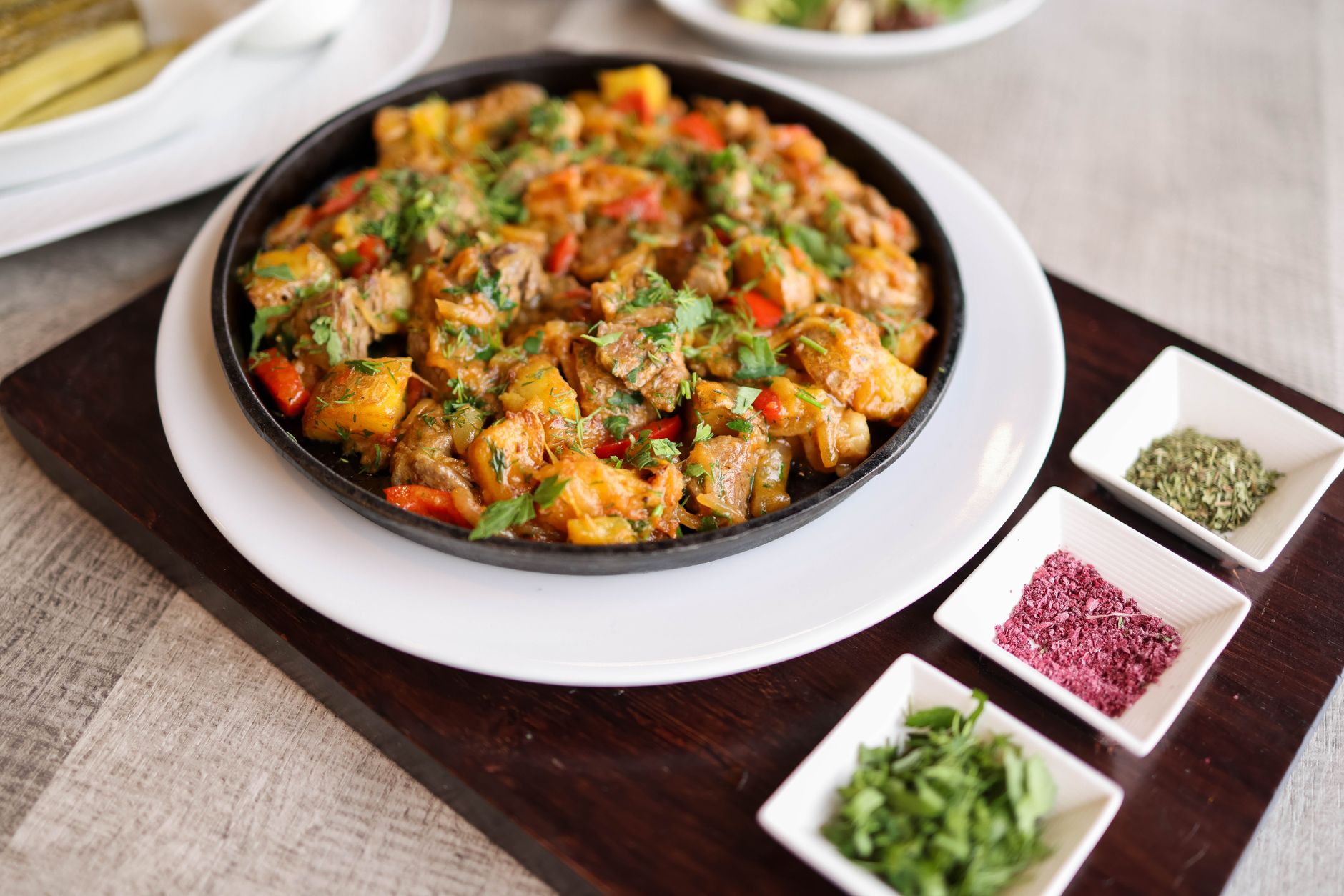
Aleppo food represents a rich culinary tradition that hails from the ancient city of Aleppo in northern Syria. Known for its unique flavors, vibrant spices, and diverse ingredients, Aleppo cuisine showcases the multicultural influences that have shaped the region over centuries.
This article will delve into the essential components, flavors, and serving suggestions of Aleppo food, offering you an insightful guide to this flavorful cuisine.
What Is Aleppo Food?
Aleppo food encompasses a range of dishes from Aleppo, Syria, characterized by unique ingredients, especially spices, and cooking techniques that create bold and complex flavors. It is often regarded as one of the most distinctive and flavorful cuisines in the Middle East.
Key Ingredients in Aleppo Cuisine
The foundation of Aleppo food lies in its diverse ingredients. Here are some key components that define the flavors of this cuisine:
- Aleppo Pepper: A moderate chili pepper variety that contributes heat and fruity flavors, often used in spice blends.
- Spices: Common spices include cumin, coriander, cinnamon, and sumac, each adding layers of flavor to dishes.
- Fresh Herbs: Parsley, mint, cilantro, and dill are frequently used to enhance dishes with freshness.
- Grains: Bulgur, rice, and freekeh (roasted green wheat) are staple grains often utilized in various dishes.
- Legumes: Chickpeas and lentils are commonly featured in soups and salads.
- Meats: Lamb, chicken, and beef are popular proteins, often grilled or cooked in stews.
- Dairy: Yogurt is a significant element, served as a condiment or base for sauces.
- Nuts and Dried Fruits: Nuts like pistachios, almonds, and dried fruits, especially apricots and raisins, are often included in both savory and sweet dishes.
Flavor Profile of Aleppo Food
The flavor profile of Aleppo food is characterized by a balance of heat, sweetness, and acidity. Here’s what makes it unique:
- Heat: Aleppo pepper offers a mild to moderate warmth without overwhelming the palate, making it accessible to various tastes.
- Sweetness: Ingredients like cinnamon and the natural sweetness of roasted meats contribute to a harmonious balance with the heat.
- Bitterness: The use of sumac introduces a tangy, slightly bitter note that brightens dishes.
- Freshness: Herbs and lemon juice provide a zesty, refreshing element that complements richer flavors.
Traditional Dishes in Aleppo Cuisine
Aleppo cuisine is rich with traditional dishes, many of which reflect the region’s agricultural diversity. Here are some exemplary dishes:
Kebabs
Kebabs in Aleppo often include a variety of meats, usually seasoned with Aleppo pepper, herbs, and spices. They are typically grilled over an open flame, imparting a smoky flavor. Variants include:
- Kebab Hindi: Marinated minced meat shaped into patties, skewered, and grilled.
- Kebab Shish: Chunks of marinated meat threaded onto skewers and grilled, served with fresh herbs and bread.
Fattoush
This vibrant salad combines mixed greens, fresh herbs, and toasted or fried pieces of pita bread. It’s dressed with a zesty lemon and sumac vinaigrette, making it a refreshing accompaniment to meals.
Tabbouleh
Another popular salad is tabbouleh, made primarily with finely chopped parsley, tomatoes, mint, onion, and bulgur, all seasoned with olive oil and lemon juice. This dish is celebrated for its freshness and herbaceous flavors.
Freekeh Pilaf
Freekeh, a roasted green wheat grain, is often cooked as a pilaf with spices and vegetables, sometimes accompanied by lamb or chicken. Its nutty flavor and chewy texture make it a satisfying dish.
Hummus
This classic dish is made from blended chickpeas, tahini, garlic, lemon juice, and olive oil. Variations may include the addition of Aleppo pepper for extra heat and flavor.
Baklava
Aleppo’s version of this famous dessert often includes a mix of nuts, such as pistachios, layered with thin sheets of pastry and soaked in syrup flavored with rose water or orange blossom.
Cooking Techniques in Aleppo Cuisine
Traditional Aleppo cooking employs techniques to enhance flavors. Here are some methods commonly used:
Grilling
Grilling is popular for preparing meats like kebabs. This technique allows for the development of a flavorful char while sealing in juices.
Sautéing
Many dishes start with sautéing onions and garlic in olive oil to create a fragrant base for stews or sauces.
Slow Cooking
Dishes such as stews benefit from slow cooking, which allows flavors to meld together and results in tender meats.
Fermentation
The use of fermented ingredients, such as yogurt, enriches dishes with tanginess and depth.
How to Serve Aleppo Food
Aleppo dishes are often served family-style, allowing diners to share and experience a variety of flavors. Here are some serving suggestions:
Platter Style
Arrange kebabs, pilafs, and salads on a large platter to allow everyone to help themselves. This encourages communal dining, a hallmark of Middle Eastern hospitality.
Accompaniments
Serve dishes with fresh flatbreads, such as pita or lavash, which can be used to scoop up dips and salads. Additionally, complementary sides like pickled vegetables or yogurt enhance the dining experience.
Garnishes
Fresh herbs, nuts, or a drizzle of olive oil can be added just before serving to elevate the presentation and flavor.
Making Aleppo Food at Home
Creating dishes inspired by Aleppo cuisine is achievable. Here are some practical tips for cooking these dishes in your kitchen:
Essential Equipment
- Grill or Grill Pan: For kebabs and meats.
- Food Processor: Useful for making dips like hummus.
- Mixing Bowls: For prepping salads and marinades.
- Measuring Cups and Spoons: For accurate ingredient measurements, especially with spices.
Ingredient Sourcing
Some ingredients may require special sourcing:
- Aleppo Pepper: Look for it in Middle Eastern markets or specialty spice shops.
- Freekeh: Available in health food stores or online.
- Fresh Herbs: Opt for high-quality, fresh herbs for the best flavor.
Recipe Ideas
To get started, consider trying the following simple recipes:
- Aleppo-Style Kebabs: Use ground meat mixed with Aleppo pepper and spices. Shape onto skewers and grill.
- Classic Hummus: Blend chickpeas with tahini, lemon, and garlic, then sprinkle Aleppo pepper on top before serving.
- Freekeh Salad: Cook freekeh and mix with chopped vegetables, herbs, and a lemony dressing for a nutritious side dish.
Common Mistakes and Troubleshooting
Here are some common pitfalls while cooking Aleppo-style dishes and how to avoid them:
Overcooking Meats
Be cautious not to overcook kebabs, which can lead to dryness. Use a meat thermometer to check for doneness, aiming for medium to medium-well.
Incorrect Spice Measurements
Spices are crucial in Aleppo cooking. Always measure spices carefully, as too much heat can overpower a dish.
Inadequate Flavor Development
Allow time for flavors to develop in dishes like stews. Giving them enough cook time can enhance the depth and richness of the final product.
Storage and Reheating
Knowing how to store Aleppo food can help maintain its freshness for later enjoyment:
Storing Leftovers
Store leftover dishes in airtight containers in the refrigerator. Most cooked meats, stews, and grains can last for three to four days in the fridge.
Reheating
Reheat leftovers gently on the stove or in the microwave. Heat until thoroughly warmed, ensuring that meats reach a safe internal temperature of 165°F (75°C).
Conclusion
Aleppo food is not just about cooking; it’s about tradition, community, and the celebration of flavors. By exploring its diverse ingredients and techniques, anyone can create delicious meals that pay homage to Aleppo’s rich culinary heritage. Whether you want to try your hand at grilling kebabs or experimenting with vibrant salads, Aleppo cuisine offers something for every palate.
Explore more recipes and cooking tips to enhance your culinary adventures in the fascinating world of world cuisines.