
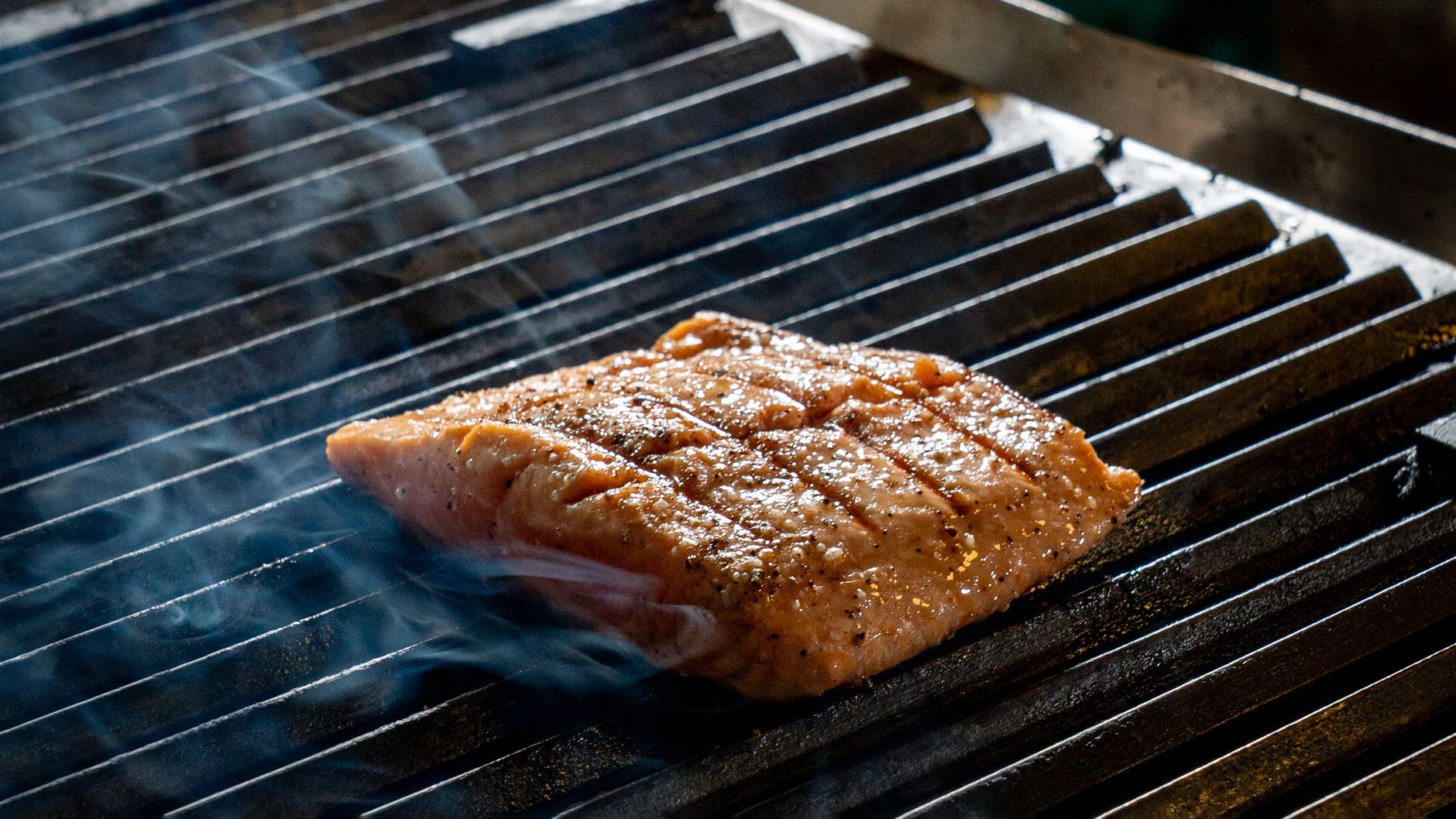
Cooking salmon to perfection is essential for both flavor and safety. To ensure your salmon is fully cooked, you’ll need to know the signs of doneness. There are various methods to determine if salmon is cooked, and understanding them will help you achieve a delicious dish every time.
This article will explore the key indicators of cooked salmon, provide techniques for cooking it perfectly, and offer tips on storage and handling. Whether you’re grilling, baking, or pan-searing, these insights will make your salmon dish a success.
How Do You Know If Salmon Is Cooked?
The best way to determine if salmon is cooked is to check its internal temperature and observe its appearance. Salmon is fully cooked when it reaches an internal temperature of 145°F (63°C) and appears opaque and flaky. Use a food thermometer for accuracy to avoid undercooking or overcooking.
Understanding Salmon: Types and Cooking Techniques
Before diving into cooking methods, it’s important to understand the different types of salmon available. Each type may require slight adjustments in cooking times and techniques.
Types of Salmon
- Atlantic Salmon: This is the most commonly farmed salmon, known for its rich flavor and high-fat content.
- Coho Salmon: Often referred to as silver salmon, coho has a medium-fat content and a delicate flavor, ideal for grilling.
- Sockeye Salmon: Recognizable by its deep red color, sockeye has a robust flavor and is high in omega-3 fatty acids.
- Chinook Salmon: Also known as king salmon, Chinook is prized for its high fat content and buttery texture.
- Pink Salmon: Typically smaller and lower in fat, pink salmon is often canned but can also be grilled or baked.
Common Cooking Techniques for Salmon
- Baking: A straightforward method that involves cooking salmon in an oven at temperatures ranging from 350°F to 425°F (175°C to 220°C).
- Grilling: This technique gives salmon a smoky flavor. Cook salmon fillets over medium-high heat for quicker results.
- Pan-searing: Offers a crispy exterior while keeping the inside moist. Use a hot skillet with oil to achieve the desired texture.
- Poaching: Cooking salmon gently in water or broth keeps it moist and flavorful.
- Smoking: Imparts a distinct flavor and can be done using an electric smoker or stovetop method.
Indicators of Doneness for Cooking Salmon
It’s important to know the signs of doneness when cooking salmon. Skipping on checking these can lead to disappointment. Here are the key indicators:
Visual Cues
- Color: Salmon starts as a translucent pink and turns opaque as it cooks. The flesh should have a consistent color throughout.
- Flakiness: When done, salmon should easily flake when pressed with a fork.
- Opacity: Cooked salmon is no longer shiny and should appear dull in color.
Internal Temperature
The most reliable way to determine if salmon is cooked is by checking its internal temperature. A food thermometer should be inserted into the thickest part of the salmon, avoiding the bone. Salmon is considered safe to eat when it reaches:
- 145°F (63°C): This is the FDA recommended safe minimum internal temperature for fish.
Texture
Another important indicator is the texture of the salmon. Properly cooked salmon should feel slightly firm, but still give a little when pressed. If the fish feels mushy, it may be undercooked, and if it flakes apart too easily, it may be overcooked.
Tips for Cooking Salmon Perfectly
Achieving the perfect cook on salmon involves attention to detail. Here are several tips:
- Marinating: A marinade can enhance flavor and moisture. Keep marination time minimal, about 30 minutes to 1 hour, to avoid overwhelming the fish.
- Resting: Allow your cooked salmon to rest for a few minutes after removing it from the heat. This helps the juices redistribute throughout the fish.
- Avoiding Overcooking: Salmon cooks quickly and can transition from perfectly cooked to overdone in a matter of minutes. Monitor cooking times closely.
- Cutting Thickness: Thicker salmon fillets will require longer cooking times. A standard fillet is around 1 inch thick, which cooks in about 10 minutes per inch.
Common Mistakes to Avoid When Cooking Salmon
To ensure your salmon dish doesn’t fall flat, here are some common mistakes to avoid:
- Skipping the Thermometer: Relying only on visual cues can lead to uncertainty. Always use a food thermometer for accurate readings.
- Cooking from Refrigerated Temperatures: Cold salmon from the fridge can lead to uneven cooking. Allow it to come to room temperature before cooking.
- Cooking Skin Side Up: If your salmon has skin, place it skin side down when cooking. This helps retain moisture and keeps the fish from sticking.
- Too Much Flipping: Overturning your salmon during cooking can break the delicate flesh. Let it cook undisturbed for the best results.
Storage and Reheating Salmon
Proper storage and reheating techniques are important to maintain the flavor and quality of cooked salmon.
Storage Guidelines
- Store cooked salmon in an airtight container in the refrigerator.
- Use cooked salmon within 3 to 4 days to ensure freshness.
- For longer storage, freeze cooked salmon in airtight wrappers or containers for up to 3 months.
Reheating Method
Reheating salmon can be tricky; you want to avoid drying it out. Here’s a safe way to reheat:
- Thaw: If frozen, thaw salmon overnight in the refrigerator.
- Oven Reheat: Preheat your oven to 325°F (160°C). Place the salmon on a baking sheet and cover with foil to retain moisture. Heat for about 10-15 minutes.
Cooking Variations and Recipe Ideas
To enjoy salmon in a variety of ways, consider these methods and recipe ideas:
Grilled Salmon with Herb Marinade
- Ingredients:
- 4 salmon fillets
- 1/4 cup olive oil
- 2 tablespoons lemon juice
- 1 tablespoon fresh parsley, chopped
- 1 tablespoon fresh dill, chopped
- 1 garlic clove, minced
- Salt and pepper to taste
- In a bowl, combine the olive oil, lemon juice, parsley, dill, garlic, salt, and pepper.
- Marinate the salmon fillets in this mixture for 30 minutes.
- Preheat the grill to medium-high heat.
- Grill the salmon for 4-5 minutes per side, or until it flakes easily with a fork.
Oven-Baked Salmon with Lemon and Capers
- Ingredients:
- 4 salmon fillets
- 2 tablespoons butter, melted
- 1 lemon, sliced
- 2 tablespoons capers
- Salt and pepper to taste
- Preheat your oven to 375°F (190°C).
- Place the salmon in a baking dish and pour melted butter over the fillets.
- Top with lemon slices and capers; season with salt and pepper.
- Bake for 15-20 minutes, or until the internal temperature reaches 145°F (63°C).
Exploring Other Related Topics
Understanding salmon also involves knowing how to store it properly and recognizing bad salmon. For more on this, visit How to Tell If Salmon Is Bad.
Additionally, if you’re interested in recipe variations, check out our Salmon Loaf Recipe for an alternative take on this versatile fish.
With the right techniques and knowledge, you’ll be able to prepare delicious, perfectly cooked salmon every time. Experiment with different recipes and cooking methods to find your favorites, and enjoy this nutritious and flavorful fish!