
Constipation is an issue that affects many people at different stages of life. Among various solutions, incorporating fruits into your diet can be a natural and effective way to promote bowel regularity. In this guide, we will explore which fruits make you poop, their fiber content, and how they aid digestion.
Understanding fiber’s role and the specific properties of fruits can empower you to make informed dietary choices that help alleviate constipation. We’ll look at the types of fiber in these fruits, recommended portions for effectiveness, and practical tips on incorporating them into your meals.
What Fruits Make You Poop?
Many fruits can help stimulate bowel movements thanks to their high fiber content, natural sugars, and sorbitol, which can enhance hydration in the intestines. Here are some of the most effective fruits to consider:
- Prunes: Known for their laxative effects, prunes are high in fiber and sorbitol.
- Apples: Containing both soluble and insoluble fiber, apples are helpful for digestion.
- Pears: Pears are rich in fiber and high in fructose and sorbitol.
- Berries: Raspberries and blackberries are particularly high in fiber.
- Kiwi: This fruit contains actinidin, an enzyme that can aid digestion.
- Figs: Figs are excellent sources of fiber and can soften stool.
- Bananas: While moderately effective, bananas can help regulate bowel movements, especially when ripe.
Understanding Fiber and Its Role in Digestion
Fiber comes in two types: soluble and insoluble. Soluble fiber dissolves in water and forms a gel-like substance, while insoluble fiber adds bulk to the stool. Both types are important for digestive health and contribute to regular bowel movements.
Soluble Fiber
Soluble fiber slows digestion, which can help control blood sugar levels and lower cholesterol. Fruits high in soluble fiber include:
- Apples
- Pears
- Prunes
- Kiwi
Insoluble Fiber
Insoluble fiber, on the other hand, moves through the digestive tract intact and adds bulk to the stool. Fruits rich in insoluble fiber include:
- Figs
- Raspberries
- Blackberries
- Pears
Serving Sizes and Practical Tips for Consumption
To effectively use fruits to aid digestion, it’s essential to know the recommended serving sizes. Here are some suggestions:
- Prunes: 4-5 prunes daily.
- Apples: 1 medium-sized apple with skin.
- Pears: 1 medium-sized pear with skin.
- Berries: 1 cup of mixed berries.
- Kiwi: 1-2 kiwis.
- Figs: 2-3 fresh figs or 4-5 dried figs.
- Bananas: 1 medium banana.
Combining Fruits for Best Results
To maximize the digestive benefits, consider combining these fruits in salads or smoothies. For example, a breakfast smoothie with spinach, banana, and kiwi can enhance fiber intake while providing essential nutrients. You can also mix berries with yogurt for a delightful snack that promotes gut health.
Additional Dietary Tips for Promoting Bowel Regularity
While fruits are beneficial, a well-rounded diet includes various other aspects to support digestive health. Here are additional tips:
- Stay Hydrated: Drink plenty of water throughout the day, as it helps fiber do its job effectively.
- Balance Fiber Intake: Incorporate both soluble and insoluble fibers in your diet.
- Regular Exercise: Physical activity helps stimulate bowel movements.
- Limit Processed Foods: Reduce intake of low-fiber processed foods that can lead to constipation.
Fruits to Avoid If You’re Constipated
While many fruits can ease constipation, some fruits can have the opposite effect, especially when unripe. Avoid or limit the following:
- Unripe Bananas: These can be binding due to their high starch content.
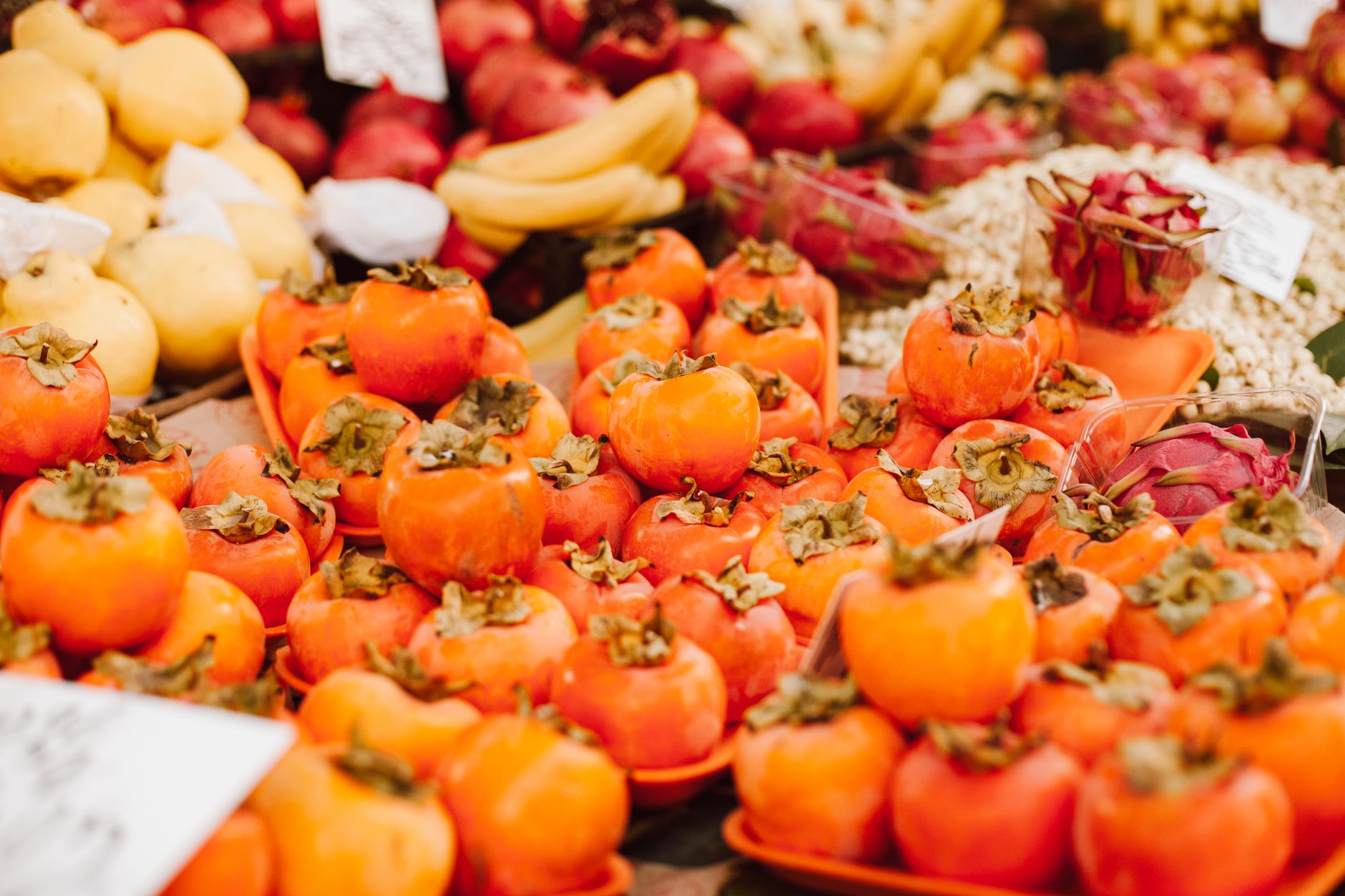
- Persimmons: Some varieties can cause constipation due to their tannin content.
Conclusion
Incorporating fruits high in fiber into your diet can play a vital role in relieving constipation. Prunes, apples, pears, berries, kiwi, and figs are particularly effective. It’s important to balance your overall diet with adequate hydration, exercise, and other fiber sources to support digestive health fully.
Start by adding these fruits to your meals and snacks to enhance your fiber intake and promote regularity. Remember, individual needs may vary, so it’s best to observe how your body responds and adjust accordingly.
For more insights, consider exploring articles on dietary fiber and other ingredients that promote digestive health, such as the role of cabbage or discovering how much fiber is found in bananas.