
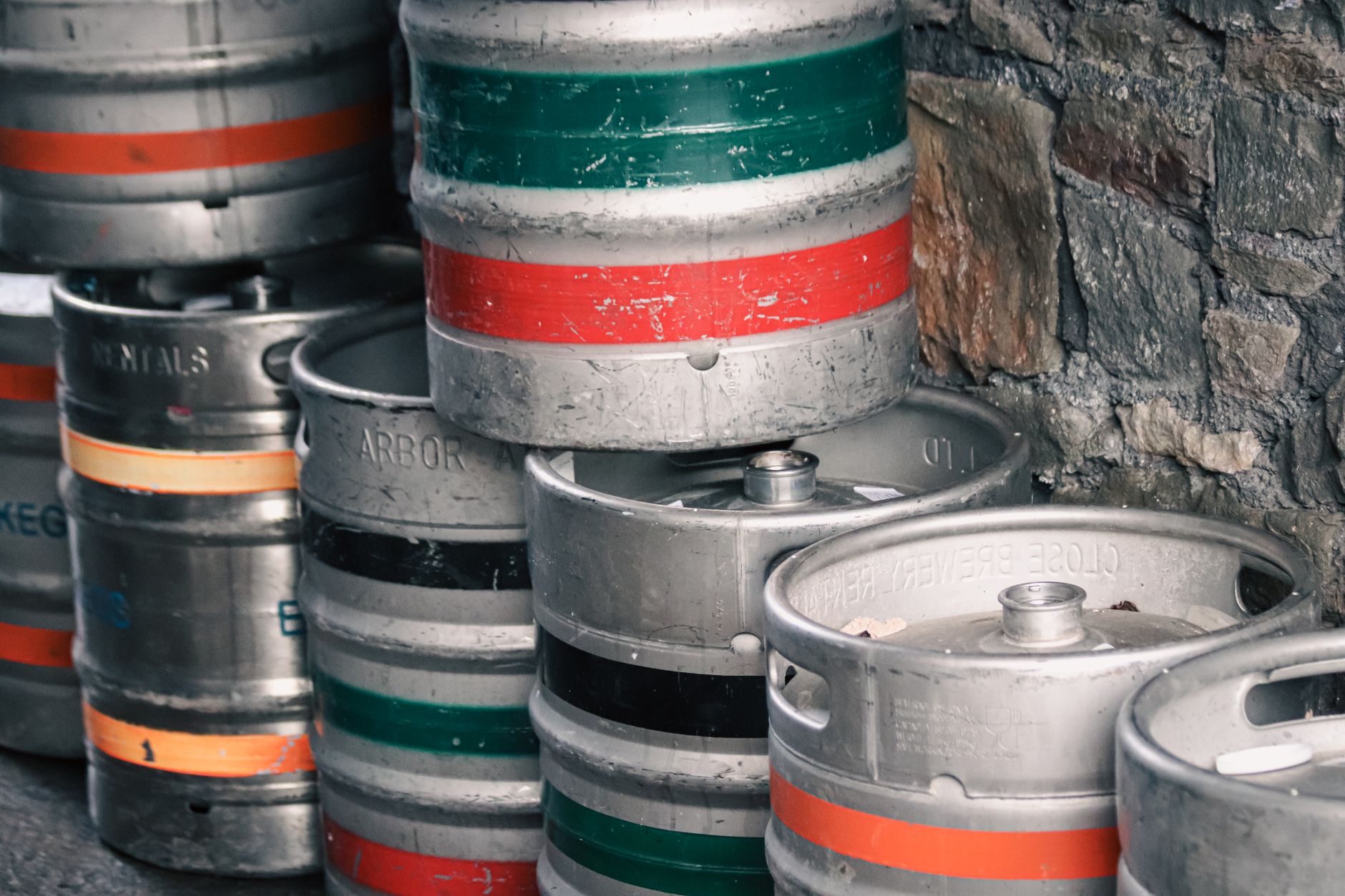
For parties, gatherings, or barbecues, kegs of beer are popular options. They provide ample servings and create a festive atmosphere. However, knowing how much beer is in a keg can help you plan better for your event, ensuring you have enough for all your guests.
This article covers the different keg sizes, their beer capacities, standard serving sizes, and tips to ensure your keg experience is enjoyable. Understanding these details will aid in your planning and enhance your gatherings.
How Much Beer Is in a Keg?
A keg typically contains 15.5 gallons of beer, equating to 1,984 ounces. Depending on the serving sizes you choose, this translates into approximately 165 12-ounce servings, 130 16-ounce pints, or 200 8-ounce cups. Let’s explore this in more detail.
Keg Sizes and Capacities
There are various keg sizes, each suited for different occasions. Here’s a summary of the most common keg sizes and their respective capacities:
- Full Keg (Standard Keg): 15.5 gallons (1,984 ounces)
- Half Keg: 7.75 gallons (992 ounces)
- Quarter Keg (Slim Keg): 7.75 gallons (992 ounces) – sometimes referred to as a “Tall Quarter”
- Pin Keg (1/6 Keg): 5.16 gallons (661 ounces)
- Mini Keg: 1.32 gallons (169 ounces)
Full Keg
The full keg, often used for large gatherings, contains 15.5 gallons of beer, which is the equivalent of about 165 standard 12-ounce beers. This size is perfect for parties where you anticipate a high consumption of beer.
Half Keg
A half keg holds 7.75 gallons and is common for smaller events. It can serve approximately 62 12-ounce servings, making it a practical choice for moderate gatherings.
Quarter Keg
The quarter keg, also containing 7.75 gallons, is sometimes referred to as a slim keg. Its serving capacity is similar to the half keg, providing 62 12-ounce servings and is a handy option if space is limited.
Pin Keg
Also known as a 1/6 keg, the pin keg is suitable for small parties or when you want to offer a variety of beers without overwhelming supply. It holds 5.16 gallons, resulting in about 41 12-ounce servings.
Mini Keg
The mini keg is a portable option, containing only 1.32 gallons. With approximately 14 12-ounce servings, it is excellent for smaller gatherings or picnics.
Standard Beer Serving Sizes
Understanding the standard beer serving sizes can help you calculate how many servings you can get from your keg. Here’s a breakdown of the common serving sizes:
- 12-ounce serving (standard beer): The most common portion size for a typical beer.
- 16-ounce pint: Common in bars and restaurants, this portion increases the serving count from a keg.
- 8-ounce serving: Ideal for smaller gatherings or to provide a variety of beer options without overindulging.
Calculating Servings from a Keg
Here’s how to calculate the number of servings from different keg sizes based on your preferred serving size:
Full Keg
- For 12-ounce servings: 15.5 gallons x 128 ounces/gallon = 1,984 ounces; 1,984 ounces ÷ 12 ounces/serving = about 165 servings.
- For 16-ounce servings: 1,984 ounces ÷ 16 ounces/serving = about 124 servings.
- For 8-ounce servings: 1,984 ounces ÷ 8 ounces/serving = about 248 servings.
Half Keg
- For 12-ounce servings: 7.75 gallons x 128 ounces/gallon = 992 ounces; 992 ounces ÷ 12 ounces/serving = about 82 servings.
- For 16-ounce servings: 992 ounces ÷ 16 ounces/serving = about 62 servings.
- For 8-ounce servings: 992 ounces ÷ 8 ounces/serving = about 124 servings.
Quarter Keg
- For 12-ounce servings: 7.75 gallons x 128 ounces/gallon = 992 ounces; 992 ounces ÷ 12 ounces/serving = about 82 servings.
- For 16-ounce servings: 992 ounces ÷ 16 ounces/serving = about 62 servings.
- For 8-ounce servings: 992 ounces ÷ 8 ounces/serving = about 124 servings.
Pin Keg
- For 12-ounce servings: 5.16 gallons x 128 ounces/gallon = 661 ounces; 661 ounces ÷ 12 ounces/serving = about 55 servings.
- For 16-ounce servings: 661 ounces ÷ 16 ounces/serving = about 41 servings.
- For 8-ounce servings: 661 ounces ÷ 8 ounces/serving = about 82 servings.
Mini Keg
- For 12-ounce servings: 1.32 gallons x 128 ounces/gallon = 169 ounces; 169 ounces ÷ 12 ounces/serving = about 14 servings.
- For 16-ounce servings: 169 ounces ÷ 16 ounces/serving = about 10 servings.
- For 8-ounce servings: 169 ounces ÷ 8 ounces/serving = about 21 servings.
Choosing the Right Keg Size for Your Event
When deciding how much beer to buy, consider the following factors:
- The size of the gathering: Estimate how many guests you expect and their drinking habits.
- Duration of the event: Longer events may require more beer to accommodate guests.
- Variety of beer options: If offering multiple types, smaller kegs can allow for more variety without waste.
- Space availability: Ensure you have adequate space for the keg and serving equipment.
Storing and Serving Kegs
Proper storage and serving techniques can enhance the quality of the beer and the enjoyment of your guests. Here are some tips:
Storage Guidelines
- Keep the keg cold: Ideal storage temperature is between 36°F and 38°F. Use a keg cooler or ice to maintain this temperature.
- Avoid direct sunlight: Store in a shaded area to prevent the beer from skunking due to light exposure.
- Handle with care: Kegs should be kept upright to avoid unnecessary pressure and leaks.
Serving Suggestions
- Invest in a quality tap system: Proper dispensing equipment can enhance the beer’s flavor and prevent overfoaming.
- Serve chilled: Make sure to serve the beer at a cold temperature for optimal taste.
- Train your bartenders: If you have help serving, ensure they know how to use the tap system to minimize waste.
Common Mistakes and Troubleshooting
Even with the best preparation, issues can arise with kegs. Here are some common mistakes and how to address them:
- Excessive foam: This can happen due to incorrect serving temperature or over-pressurized keg. Check temperature and adjust the pressure on the tap system.
- Keg running out too soon: Some guests may drink more than anticipated. Always overestimate your needs when planning.
- Low-quality beer
Make-Ahead Considerations
There are many ways to prepare for a keg-centered gathering in advance:
- Order kegs ahead: Ensure availability through your local distributor or brewery.
- Pre-plan food and drink pairings: Prepare your menu to complement the beers you will serve.
- Set up serving areas: Have a plan for your serving area that allows for ease of access and usage, promoting mingling among guests.
Best Practices for Keg Disposal
After the event, it’s essential to dispose of or return kegs properly:
- Return kegs to the distributor: Most kegs are rented and require return within a specific time frame to avoid additional charges.
- Recycle empty cans and bottles: If you didn’t finish the keg, ensure proper recycling of leftover beer containers.
Conclusion
Kegs are a great way to serve beer at gatherings, providing ample quantities for celebration. By understanding keg sizes, serving capacities, and storage guidelines, you can ensure a successful event. Always plan based on your guests’ needs, and don’t forget the importance of quality equipment for serving.
To explore more delicious beverages and meal ideas, check out our beer can chicken recipe at Beer-Can Chicken Recipe or find tips for enjoying Bud Light with our guide at Bud Light Can Guide.