
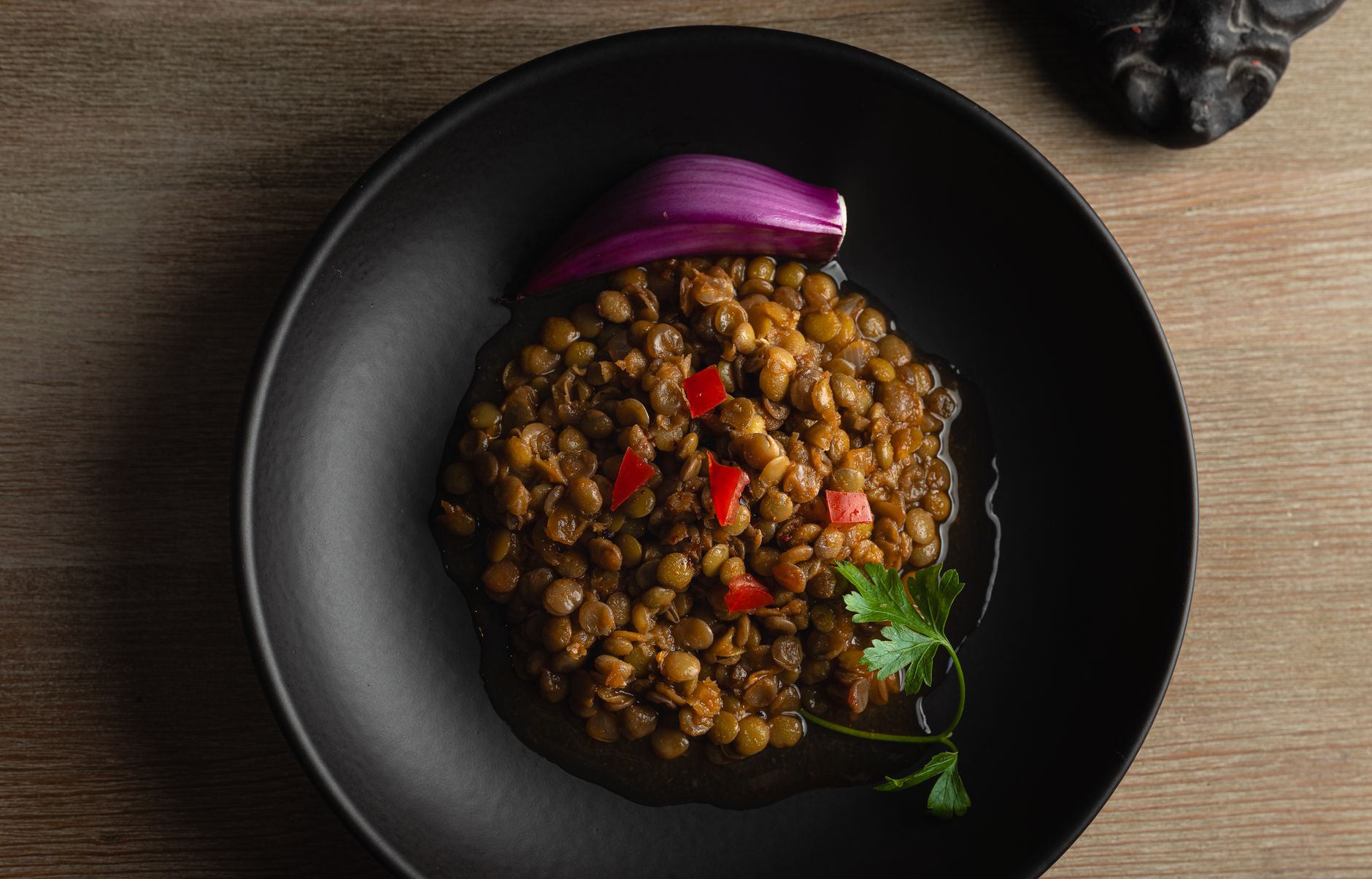
Lentils are often hailed as a nutritional powerhouse in the world of legumes. But are they truly good for you? This article delves into the many health benefits of lentils, their nutritional profile, and considerations for incorporating them into your diet.
From their remarkable nutrient density to their versatility in recipes, lentils can serve as an excellent addition to a healthy eating plan. Let’s explore the specifics of why lentils might just be the perfect food for your next meal.
Is Lentils Good for You?
Yes, lentils are highly nutritious and offer numerous health benefits. They are rich in protein, fiber, vitamins, and minerals while being low in fat and calories. Incorporating lentils into your diet can contribute positively to overall health and well-being.
Nutrition Facts of Lentils
Understanding the nutritional composition of lentils is essential to appreciate their benefits fully. Here’s a breakdown of the nutrition facts per 1 cup (cooked) of lentils:
- Calories: 230
- Protein: 18 grams
- Carbohydrates: 40 grams
- Fiber: 16 grams
- Fat: 0.8 grams
- Folate: 90% of the Daily Value (DV)
- Iron: 36% of the DV
- Magnesium: 18% of the DV
This impressive nutritional profile makes lentils an excellent choice for various dietary preferences, including vegetarian and vegan diets. They are an excellent source of plant-based protein and help fulfill dietary fiber needs, promoting digestive health.
Health Benefits of Lentils
1. Excellent Source of Plant-Based Protein
Lentils are one of the best plant sources of protein, making them invaluable for vegetarians and vegans. They contain approximately 18 grams of protein per cooked cup, making them an ideal ingredient for hearty dishes such as stews and soups.
2. High in Dietary Fiber
The high fiber content in lentils, about 16 grams per cup, helps promote digestive health. Dietary fiber aids in regular bowel movements and can contribute to maintaining a healthy weight by promoting fullness.
3. Rich in Essential Nutrients
Lentils are loaded with vitamins and minerals essential for overall health including:
- Folate: Vital for DNA synthesis and cell division, especially important during pregnancy.
- Iron: Critical for transporting oxygen in the blood, helping to prevent anemia.
- Magnesium: Supports muscle and nerve function, as well as bone health.
4. Promotes Heart Health
Consuming lentils can help reduce LDL cholesterol levels, contributing to improved heart health. Their high fiber content, along with essential nutrients like potassium, may also help maintain healthy blood pressure levels.
5. Aids in Blood Sugar Control
Lentils have a low glycemic index, meaning they release sugars slowly into the bloodstream. This property helps manage blood sugar levels and makes lentils an excellent food choice for those with diabetes or those looking to maintain consistent energy levels throughout the day.
Incorporating Lentils into Your Diet
Integrating lentils into your meals can be easy and delicious. Here are some practical tips and strategies:
1. Cooking Lentils
Cooking lentils is straightforward and requires minimal preparation. Here’s how you can prepare them:
- Rinse: Rinse lentils under cold water to remove any dust or debris.
- Soak (optional): Although soaking is not required, it can reduce cooking time by half.
- Cook: Combine lentils with water or broth (typically 3 cups of liquid for 1 cup of lentils) in a pot. Bring to a boil, then reduce heat and let simmer.
- Time: Cook red lentils for about 15-20 minutes, green or brown lentils for 25-30 minutes, and French lentils for 30-35 minutes until tender.
2. Flavoring Lentils
Lentils are naturally mild in flavor, making them an excellent canvas for a variety of seasonings and ingredients. Consideradding:
- Herbs: Fresh cilantro, parsley, or thyme can enhance their flavor.
- Spices: Cumin, turmeric, or paprika bring warmth and earthiness.
- Vegetables: Onions, garlic, and carrots can add depth and texture.
3. Lentil Recipes
Here are a few versatile lentil dishes you can try:
- Lentil Soup: A classic, warming option that can be enriched with vegetables and spices.
- Lentil Salad: Combine cooked lentils with fresh vegetables, herbs, and a vinaigrette for a refreshing dish.
- Lentil Curry: Add coconut milk and spices to cooked lentils for a hearty and flavorful meal.
Considerations When Eating Lentils
1. Allergies and Intolerances
Though rare, some individuals may have allergies or intolerances to legumes, including lentils. If you experience adverse reactions after consuming lentils, consult a healthcare professional.
2. Gastrointestinal Issues
Due to their high fiber content, lentils may cause gas or bloating in some individuals, especially if they are not accustomed to consuming fiber-rich foods. Gradually increasing fiber intake can help mitigate these effects.
3. Nutrient Absorption
Some nutrients in lentils, like iron, can be less readily absorbed due to the presence of phytates. Consuming lentils with vitamin C-rich foods, such as bell peppers or citrus, can enhance iron absorption.
Storage and Shelf Life of Lentils
Knowing how to store lentils properly can extend their shelf life and maintain their quality. Follow these guidelines:
1. Dry Lentils
Uncooked dry lentils can last up to a year when stored in a cool, dry place in an airtight container. Always check for any signs of pests or mold before cooking.
2. Cooked Lentils
Cooked lentils should be stored in a sealed container in the refrigerator, where they can last for up to 1 week. For longer storage, cooked lentils can also be frozen for up to 3 months.
Conclusion
Lentils stand out as an exceptional food choice, packed with nutrients, versatile in cooking, and beneficial for overall health. With their high protein and fiber content combined with essential vitamins and minerals, they make an excellent option for various meal plans and dietary preferences. Consider adding lentils to your next grocery list and enjoy the multitude of benefits they offer!
Explore related recipes, cooking tips, and food guides like this chia pudding recipe or learn more about edamame health benefits.