
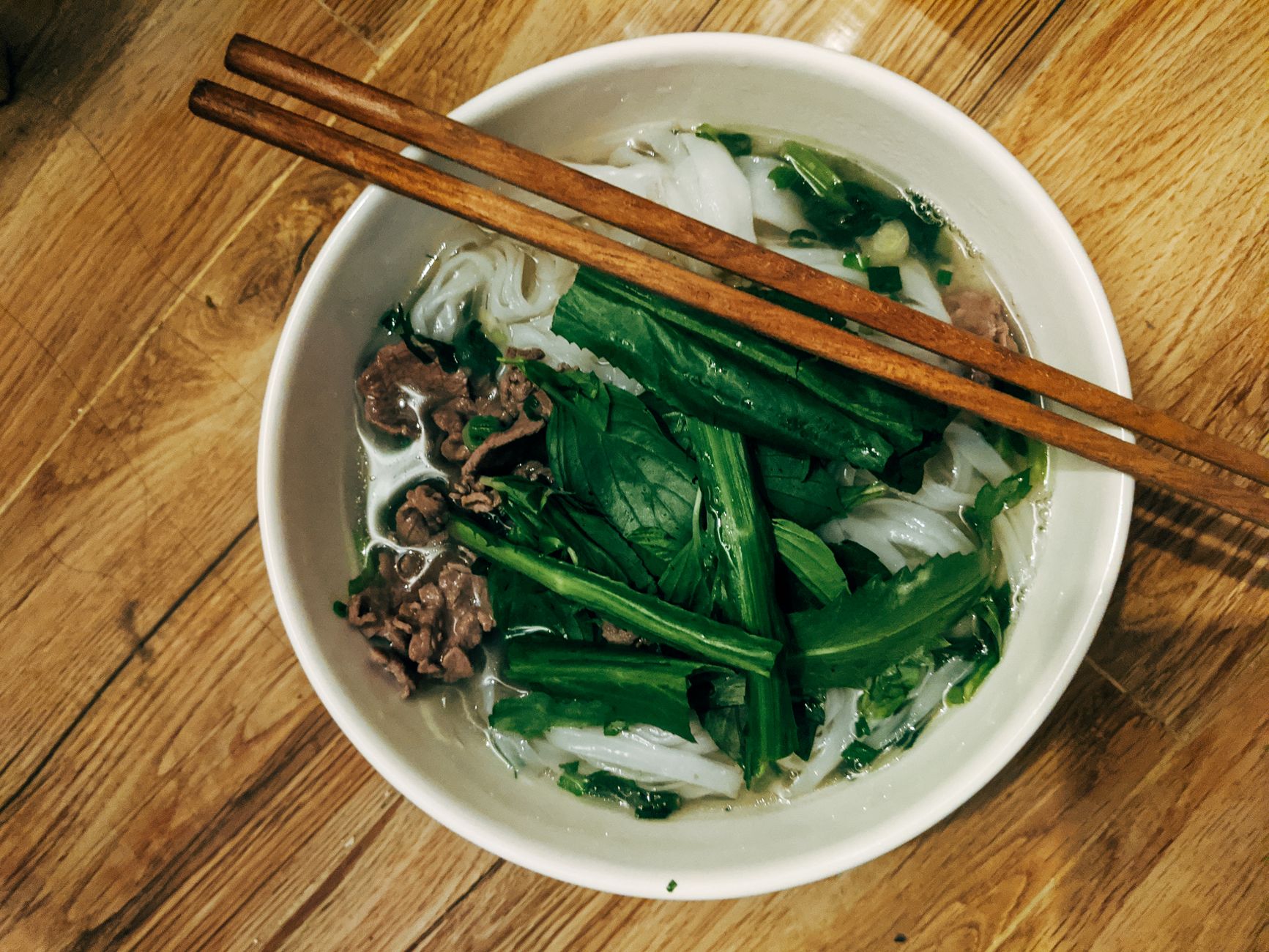
Pho noodles are an essential component of pho, the traditional Vietnamese dish renowned for its fragrant broth and flavorful ingredients. These rice noodles, known as bánh phở, are flat, wide, and chewy, making them perfect for soaking up the rich flavors of the broth. They are typically made from rice flour and water, giving them a distinct gluten-free quality.
In this article, we will delve into the fascinating world of pho noodles, exploring their ingredients, flavor profile, cooking methods, and how to serve them alongside the traditional pho dish. By the end, you’ll have a deeper appreciation for this delightful staple.
What Are Pho Noodles?
Pho noodles, or bánh phở, are the star ingredient in pho. Originating from Vietnam, these rice noodles are characterized by their silky texture and ability to absorb flavors from the surrounding broth and toppings. Typically served in a hot bowl of pho, they are the perfect complement to the rich and aromatic soup.
Ingredients of Pho Noodles
The main ingredient in pho noodles is rice flour, which is combined with water to create a smooth and flexible dough. The simplicity of the ingredients contributes to the unique texture and flavor of the noodles.
Main Ingredients
- Rice Flour: The primary ingredient that makes up the noodles, providing their structure.
- Water: Used to bind the rice flour, enabling the formation of the noodle sheets.
- Salt (optional): Some recipes may include a small amount of salt for added flavor.
Variants of Pho Noodles
While traditional pho typically uses flat rice noodles, variations do exist, including:
- Bánh phở tươi: Fresh, homemade noodles are often thicker and firmer than dried options.
- Dried Bánh phở: These are the more commonly used versions found in most grocery stores, which need to be rehydrated before cooking.
- Bánh phở cuốn: The fresh rice noodles are used in Vietnamese spring rolls, adding to the versatility of pho noodles in Vietnamese cuisine.
Flavor of Pho Noodles
The flavor of pho noodles is subtle, as they primarily serve to absorb and complement the rich broth of the dish. The noodles offer a slightly nutty taste due to the rice flour, and when cooked properly, they boast a delightful chewiness that enhances the experience of eating pho.
When prepared in a broth, the noodles soak up the flavors of the grilled meats, spices, and herbs, creating a harmonious balance. They act as a canvas for the other ingredients, further elevating the dish as a whole.
How to Cook Pho Noodles
Cooking pho noodles requires attention to detail to ensure the perfect texture. Here’s a simple guide on how to properly prepare dried pho noodles:
Equipment Needed
- Large pot
- Colander or strainer
- Cooking utensil (tongs or a slotted spoon)
- Bowls for serving
Cooking Instructions
- Bring Water to a Boil: Fill a large pot with water and bring it to a rolling boil. This will ensure that the noodles cook evenly.
- Add the Noodles: Once the water is boiling, add the dried pho noodles to the pot.
- Cook the Noodles: Allow the noodles to cook for about 4 to 6 minutes, or until they are tender yet slightly chewy. Refer to the package instructions for specific cooking times, as they may vary.
- Check for Doneness: Test a noodle by tasting it; it should be soft but still have a bite.
- Drain the Noodles: Once cooked, drain the noodles in a colander. Rinse them briefly under cold water to stop the cooking process and prevent sticking.
- Serve Immediately: It’s best to add the noodles directly to a bowl of hot pho broth to keep them warm.
Common Mistakes When Cooking Pho Noodles
While cooking pho noodles may seem straightforward, there are some common pitfalls to avoid:
- Overcooking: Watch the time carefully to avoid mushy noodles. They should maintain a chewy texture.
- Not Rinsing: Skipping the rinse step can result in sticky noodles that clump together.
- Cooking in Broth: While some recipes suggest cooking the noodles directly in the broth, this can lead to a starchy and cloudy soup. It’s better to cook the noodles separately.
How to Serve Pho Noodles
Serving pho noodles is an essential part of enjoying this traditional dish. Here are the common steps to enjoy pho to the fullest:
Building Your Bowl
- Start with the Broth: Carefully ladle hot pho broth into a serving bowl.
- Add the Noodles: Place the cooked pho noodles into the bowl, ensuring they are submerged in the broth.
- Top It Off: Choose your preferred protein, such as sliced beef, chicken, or tofu, and add it to the bowl.
- Fresh Herbs and Aromatics: Garnish with fresh herbs like basil, cilantro, and mint. Add bean sprouts, lime wedges, and sliced chili for extra flavor.
- Season to Taste: Provide soy sauce, hoisin sauce, and sriracha on the side, allowing everyone to personalize their bowl.
Accompaniments
To enhance the dining experience, consider serving pho with these side items:
- Fresh Vegetables: A side of fresh vegetables adds crunch and freshness.
- Spring Rolls: Vietnamese spring rolls pair well with pho for a complete meal.
- Herbal Tea: A refreshing herbal tea can complement the robust flavors of pho.
Variations of Pho Noodles
While traditional pho is loved for its simplicity, many regions and cooks have adopted creative variations to suit personal tastes. These variations might include:
Beef Pho
The classic version, made with beef broth, tender slices of beef, and often garnished with onions and herbs.
Chicken Pho
This lighter version relies on chicken broth, with shredded chicken and fresh veggies to keep it refreshing.
Vegetarian Pho
A wholesome option that substitutes meat with tofu and a variety of vegetables, enhanced with a rich vegetable broth.
Seafood Pho
This version features shrimp, fish, or even squid, providing a different flavor profile while maintaining the essence of pho.
Storage and Reheating
Storing pho noodles properly ensures their quality for later use. Here are some guidelines:
Storing Cooked Noodles
- Keep cooked noodles in an airtight container in the refrigerator. They can last up to 3 days.
- For longer storage, consider freezing the cooked noodles. They can be stored in airtight bags for up to a month.
Reheating Instructions
- Microwave Method: Place the noodles in a bowl, cover with a damp paper towel, and microwave them until heated through.
- Boiling Method: Bring a pot of water to a boil, add the noodles for a brief 30 seconds to warm them up, then drain.
Substitutes for Pho Noodles
If you are unable to find pho noodles or are looking for alternatives, consider these options:
- Rice Vermicelli: Thin and delicate, this option is gluten-free and can mimic the texture of pho noodles.
- Glass Noodles: Made from mung beans, they offer a similar texture but a different flavor.
- Soba Noodles: These Japanese noodles made from buckwheat are a hearty alternative, though they will add a distinct taste.
- Udon Noodles: If you prefer a thicker noodle, udon can serve as an interesting substitute, providing a unique texture.
Final Thoughts
Pho noodles represent the heart of this beloved Vietnamese dish, embodying rich cultural factors and culinary artistry. Their simple ingredients and versatility allow for endless variations. Understanding how to prepare, serve, and enjoy pho noodles elevates your cooking and dining experience.
So next time you enjoy a steaming bowl of pho, take a moment to appreciate the delicate rice noodles that bring it all together. Whether you stick with the traditional recipe or venture into new twists, pho noodles are an exceptional addition to any meal.
If you’re interested in learning more about the taste of pho or exploring another soup recipe like Taiwanese beef noodle soup, check out what does pho taste like and the Taiwanese beef noodle soup recipe for more culinary inspiration.